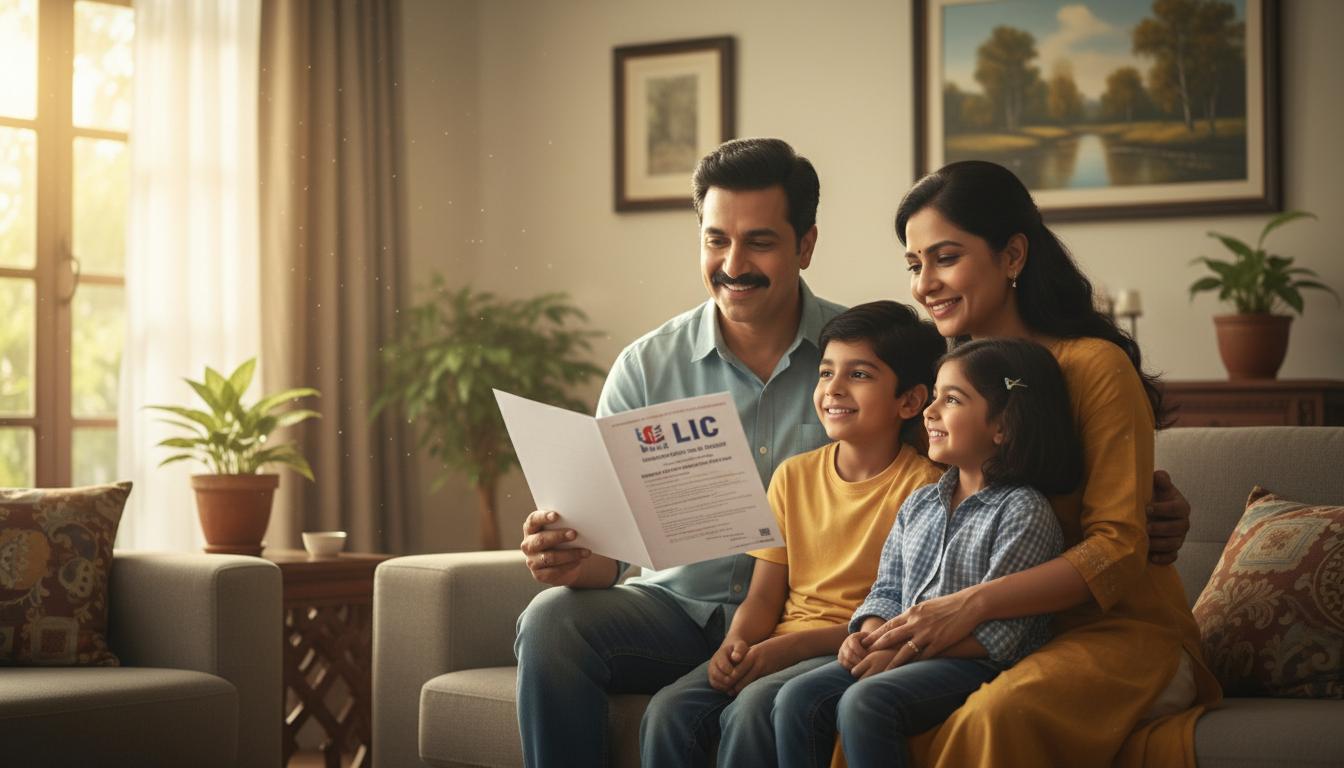
In the vast landscape of Indian financial institutions, one name stands as a beacon of trust and reliability – the Life Insurance Corporation of India, universally known as LIC. For nearly seven decades, this government-owned insurance giant has been the silent guardian of millions of Indian families, providing them with financial security, peace of mind, and a promise that their loved ones will be protected even in their absence.
The story of LIC is not merely a corporate success story; it is a narrative deeply intertwined with the social and economic fabric of independent India. From its humble beginnings in 1956 to becoming the fifth-largest life insurer globally, LIC’s journey represents one of the most remarkable examples of how a public sector enterprise can build unshakeable trust among the masses through consistent service, ethical practices, and an unwavering commitment to policyholders.
This article explores the multifaceted strategies, historical decisions, and operational excellence that enabled LIC to earn the confidence of over 250 million policyholders across India. We will delve into the corporation’s nationalization origins, its extensive rural penetration, the legendary agent network, the unmatched claim settlement record, and the digital transformation that has kept this behemoth relevant in the modern era.
To understand how LIC built its trust empire, we must first look at the conditions that necessitated its creation. Life insurance in India dates back to 1818 when the Oriental Life Insurance Company was established in Calcutta by Europeans. However, for the first five decades, these companies primarily catered to British expatriates, often charging Indians significantly higher premiums – sometimes up to 20 percent extra – simply because of their nationality.
The first indigenous life insurance company, the Bombay Mutual Life Assurance Society, was launched in 1871, marking the beginning of insurance for Indians by Indians. Over the following decades, numerous Indian and foreign insurance companies entered the market. By 1938, India had 176 insurance companies with a total premium turnover of approximately Rs. 298 crore. However, this proliferation brought with it numerous challenges.
The industry was plagued by allegations of unfair trade practices, mismanagement, and a lack of proper regulation. Many companies failed to honor their commitments to policyholders, leaving thousands of families in financial distress. The British Insurance Act of 1870 and the Indian Life Assurance Companies Act of 1912 provided some framework, but enforcement remained weak.
As India gained independence in 1947, the new government faced the monumental task of building a nation from the ground up. Prime Minister Jawaharlal Nehru envisioned a socialist society where essential services would be available to all citizens, regardless of their economic status. The insurance sector, with its potential to provide financial security to millions, was identified as a critical area requiring government intervention.
On January 19, 1956, the Government of India issued an Ordinance to nationalize the life insurance sector. This was followed by the Life Insurance Corporation Act on June 19, 1956, which formally established the Life Insurance Corporation of India. On September 1, 1956, LIC was born, absorbing 154 Indian insurers, 16 non-Indian insurers, and 75 provident societies – a total of 245 insurance entities merged into one.
The government infused an initial capital of Rs. 5 crore to start operations. But more importantly, LIC was created with a fiduciary responsibility that went beyond profit-making. Its mandate was to fulfill the basic necessities of the Indian people – what was popularly known as “Roti, Kapda, aur Makaan” (food, clothes, and shelter). Unlike private enterprises focused solely on profitability, LIC was tasked with the social mission of making life insurance accessible to every Indian, including those in the most remote rural areas.
One of the most significant factors in LIC’s trust-building journey was its unprecedented focus on rural India. While private insurance companies before nationalization had concentrated on urban centers where affluent customers were easier to reach, LIC took on the challenge of penetrating India’s vast rural hinterland. This was not merely a business decision; it was a fulfillment of the social mandate given to the corporation at its inception.
LIC established an extensive network of branches, divisional offices, and zonal offices that reached into the farthest corners of the country. Today, LIC operates through 7 zonal offices, 100 divisional offices, and over 2,048 branch offices spread across India. This infrastructure ensured that even a farmer in a remote village could access life insurance services without traveling to a distant city.
The corporation introduced simplified products designed specifically for rural customers who might not have formal education or financial literacy. Policies with easy-to-understand terms, affordable premium amounts, and flexible payment options made insurance accessible to people who had never before considered such financial instruments.
Micro-Insurance and Social Security
Recognizing that traditional insurance products were beyond the reach of India’s poorest citizens, LIC pioneered micro-insurance initiatives long before the term became fashionable in the global insurance industry. Products like Jeevan Madhur targeted unorganized laborers, while Aadmi Jeevan Bima Yojana was designed specifically for the landless poor.
These products featured extremely low premium amounts – sometimes as little as a few rupees per month – making them affordable even for daily wage earners. The sum assured, while modest by urban standards, provided meaningful financial protection to families who would otherwise have no safety net in case of the breadwinner’s untimely death.
LIC also partnered with microfinance institutions and self-help groups to distribute these products, leveraging existing community networks to reach underserved populations. This approach not only expanded coverage but also built trust through familiar local intermediaries who understood the community’s needs and concerns.
The Human Touch: The Agent Network Phenomenon
Building a Million-Agent Army
Perhaps no single factor contributed more to LIC’s trust-building success than its legendary agent network. At its peak, LIC employed over 1.3 million agents, making it one of the largest sales forces in the world. Even today, with over 550,000 active agents, LIC’s agent network remains the backbone of its distribution strategy.
These agents were not merely salespeople; they were financial advisors, community members, and trusted confidants who helped families navigate the complex world of life insurance. In a country where financial literacy was low and skepticism about corporate institutions was high, the personal relationship between an LIC agent and a policyholder became the foundation of trust.
LIC invested heavily in training its agents, ensuring they understood not just the products they were selling but also the financial planning needs of their customers. Agents were taught to recommend policies based on the customer’s actual requirements rather than simply pushing high-commission products. This consultative approach built long-term relationships that often spanned generations within families.
The Agent as Community Anchor
In many Indian villages and small towns, the LIC agent became a respected community figure. These agents often lived in the same neighborhoods as their clients, attended the same social functions, and shared the same cultural values. This proximity created a level of trust that no advertising campaign or corporate branding could achieve.
When a policyholder needed to pay a premium, file a claim, or simply understand their policy better, their LIC agent was just a phone call or a short walk away. This accessibility was crucial in building confidence, especially among first-time insurance buyers who needed hand-holding through the process.
The agent network also played a vital role in claim settlement, helping bereaved families navigate the documentation process during their most difficult times. This human touch – the sympathetic ear, the helping hand, the patient explanation – transformed LIC from a faceless corporation into a caring neighbor.
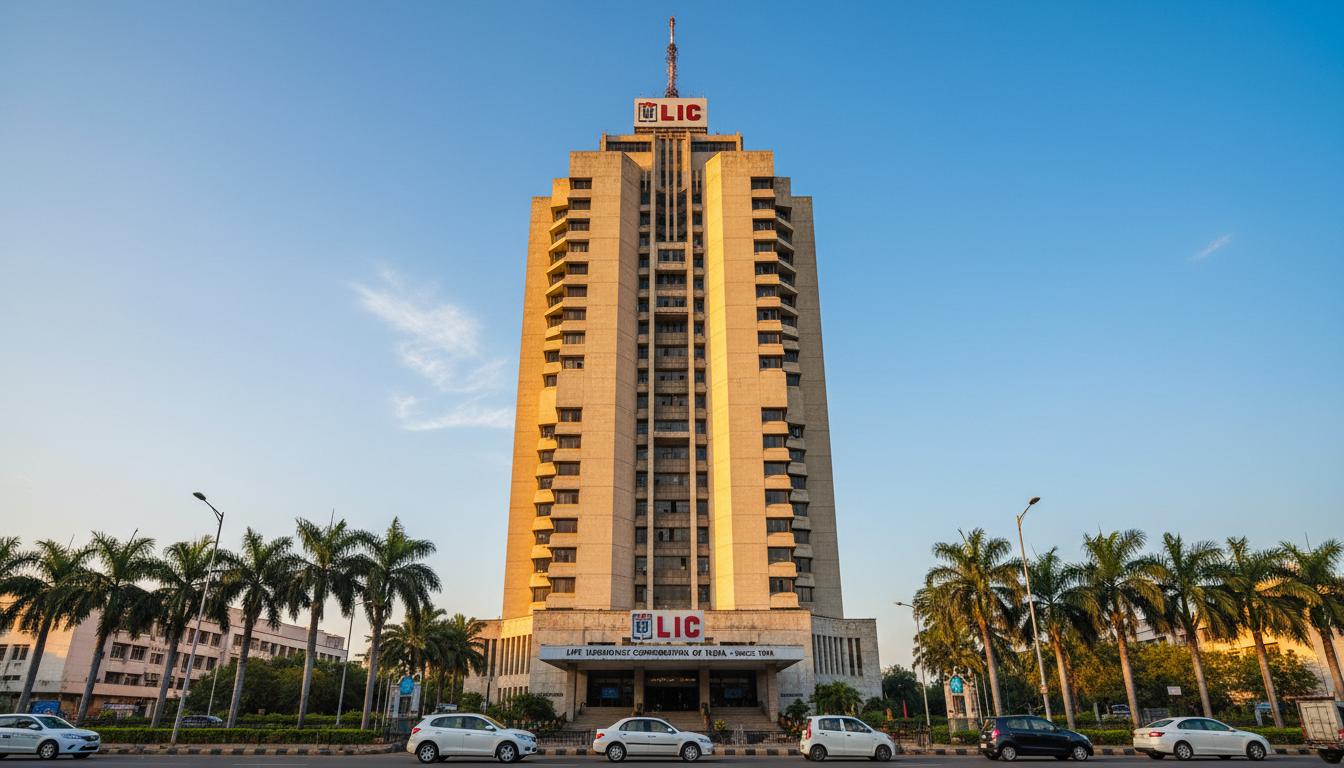
Figure 2: The iconic LIC Building in Chennai – a symbol of institutional strength
The Gold Standard: Claim Settlement Excellence
Numbers That Speak Trust
In the insurance business, nothing builds trust quite like honoring claims. This is where LIC has consistently outperformed not just its Indian competitors but insurance companies worldwide. The Claim Settlement Ratio (CSR) – the percentage of claims paid out against the total claims received – is the ultimate measure of an insurer’s reliability, and LIC’s numbers are nothing short of exceptional.
For the financial year 2023-2024, LIC reported a claim settlement ratio of 98.62 percent. This means that out of every 100 claims received, LIC paid out on more than 98 of them. Over the past five years, LIC has maintained an average CSR of over 98 percent, with figures consistently ranging between 97.79 percent and 98.74 percent.
These numbers are particularly impressive given LIC’s massive scale. The corporation processes hundreds of thousands of claims every year – far more than any private insurer in India. In 2017-18 alone, LIC settled claims under 724,596 policies out of 739,082 claims received. The sheer volume of claims handled while maintaining such high settlement ratios demonstrates operational excellence at scale.
Speed and Efficiency
Beyond the settlement ratio, the speed at which claims are processed is equally important for building trust. LIC has consistently worked to reduce claim settlement times, understanding that bereaved families need financial support quickly, not after months of bureaucratic delays.
According to IRDAI data, a significant majority of LIC’s claims are settled within three months of receipt. In 2017-18, 45.17 percent of claims were settled in less than three months, and another 44.64 percent were settled within three to six months. This means nearly 90 percent of claims were processed within half a year – a remarkable achievement for an organization of LIC’s size.
The corporation has also invested heavily in digitizing the claims process, making it easier for beneficiaries to submit documentation and track their claim status. Online claim tracking, direct bank transfers for claim payments, and simplified documentation requirements have all contributed to a smoother, faster experience for policyholders.
The Sovereign Guarantee
A unique factor that sets LIC apart from private insurers is the sovereign guarantee provided by the Government of India. Section 37 of the LIC Act ensures that all sums assured by policies issued by the Corporation, including any bonuses, are guaranteed by the sovereign. This means that policyholders have the full faith and credit of the Indian government backing their insurance policies.
In a country where financial scams and corporate failures have periodically eroded public confidence in private institutions, this government backing provides an unparalleled level of security. Policyholders know that even in the worst-case scenario, the government will ensure their claims are paid. This guarantee has been instrumental in building LIC’s reputation as the safest insurance option in India.
Product Innovation: Meeting Diverse Needs
From Cradle to Grave
LIC’s trust-building strategy has also relied heavily on its ability to offer products that meet the diverse needs of Indian society. The corporation’s product portfolio spans the entire lifecycle – from policies designed for newborn children to pension plans for senior citizens. This comprehensive approach has made LIC a one-stop solution for families’ insurance needs across generations.
Traditional endowment plans like Jeevan Anand and Jeevan Labh have become household names in India, combining life cover with savings components that appeal to the Indian preference for guaranteed returns. Money-back policies provide periodic payouts that help families meet major expenses like children’s education or marriage. Term insurance plans offer pure protection at affordable rates for those seeking maximum coverage.
For the elderly, LIC’s pension plans including the Jeevan Akshay series and the Pradhan Mantri Vaya Vandana Yojana provide regular income streams that ensure financial independence in old age. The corporation’s entry into health insurance with products like Jeevan Arogya has further expanded its role as a comprehensive financial security provider.
Adapting to Changing Times
While LIC built its reputation on traditional products, the corporation has not shied away from innovation. When unit-linked insurance plans (ULIPs) gained popularity in the early 2000s, LIC was quick to introduce its own versions, giving policyholders the opportunity to participate in equity markets while maintaining life cover.
The corporation has also launched specialized products for women, children, and specific professional groups. The LIC Golden Jubilee Policy, launched to mark the corporation’s 50th anniversary, was specifically designed to meet the evolving needs of modern Indian families. More recently, LIC has introduced digital-first products and simplified issuance processes to appeal to younger, tech-savvy customers.
This ability to innovate while maintaining the core values of security and reliability has helped LIC stay relevant across generations. Grandparents who bought their first LIC policy in the 1960s can today recommend the same company to their grandchildren with confidence.
Digital Transformation: Trust in the Modern Era
Project DIVE and Beyond
As India embarked on its digital revolution, LIC recognized that maintaining trust in the modern era required embracing technology. The corporation launched Project DIVE (Digital Innovation and Value Enhancement), a Rs. 600 crore initiative to modernize its technology infrastructure and digital capabilities.
The transformation has been comprehensive. LIC has deployed the One Man Office initiative, equipping agents with mobile tools for customer onboarding, policy servicing, and faster policy issuance. This “phygital” approach – combining physical agent relationships with digital convenience – has bridged the gap between LIC’s traditional strengths and modern customer expectations.
Aadhaar-based e-KYC has dramatically simplified the policy issuance process, reducing paperwork and turnaround times. Customers can now research policies online, compare options, and even purchase certain products through digital channels while still having the option to consult with agents for guidance.
Maintaining Trust Through Technology
Importantly, LIC’s digital transformation has been implemented without compromising the trust that forms the foundation of its relationship with policyholders. The corporation has invested heavily in cybersecurity to protect customer data, implementing enterprise-grade security measures through partnerships with leading technology providers like Infosys.
The LIC customer portal and mobile app allow policyholders to access their policy information, pay premiums, and track claims from anywhere in the world. These digital touchpoints have actually enhanced trust by providing transparency – customers can see exactly how their policies are performing and what benefits they are entitled to.
The results of this digital transformation are visible in LIC’s financial performance. In Q3 FY26, LIC recorded a 17.5 percent rise in net profit to Rs. 12,930 crore, while net premium income grew 17 percent year-over-year. The Value of New Business (VNB) increased to Rs. 5,111 crore, with margins expanding to 17.6 percent, indicating better-quality, higher-margin sales.
Nation Building: The Bigger Picture
Investing in India’s Future
LIC’s trust-building journey cannot be separated from its role as a nation-builder. The corporation has consistently invested its massive corpus – currently over Rs. 50 lakh crore in assets under management – in projects that drive India’s economic development. From infrastructure to housing to social sector initiatives, LIC’s investments have touched every aspect of national progress.
LIC Housing Finance Limited, established in 1986, has helped millions of Indians realize their dream of owning a home. The corporation’s investments in government securities have funded critical infrastructure projects, while its equity investments have supported Indian businesses across sectors.
This nation-building role has created a virtuous cycle of trust. Policyholders know that their premiums are not just sitting in a corporate vault but are being deployed to build the India of tomorrow. When a policyholder sees a new highway, a housing complex, or a hospital, they can feel a sense of ownership knowing that LIC – and by extension, they themselves – contributed to that development.
Social Responsibility
Beyond its core insurance business, LIC has consistently demonstrated corporate social responsibility in ways that build trust and goodwill. The corporation has been at the forefront of promoting financial literacy, conducting awareness programs in schools, colleges, and communities across India.
LIC’s involvement in government social security schemes has extended insurance coverage to populations that would otherwise remain unprotected. The corporation’s role in implementing the Pradhan Mantri Jeevan Jyoti Bima Yojana and other government initiatives has brought affordable life insurance to millions of low-income families.
During national crises – whether natural disasters, pandemics, or economic downturns – LIC has consistently stepped up to support policyholders and the broader community. Premium payment grace periods, expedited claim processing for COVID-19 deaths, and contributions to relief funds have all reinforced the image of LIC as a partner that stands with India through thick and thin.
Facing Competition: Trust Under Pressure
The Liberalization Challenge
In 1999, the Indian insurance sector was opened to private players, ending LIC’s monopoly after more than four decades. The entry of domestic and international insurance giants with deep pockets, advanced technology, and aggressive marketing strategies posed the most significant challenge to LIC’s dominance in its history.
Private insurers like HDFC Life, ICICI Prudential, SBI Life, and Max Life brought new products, innovative distribution channels, and customer-centric approaches that threatened to erode LIC’s market share. These companies leveraged bancassurance partnerships, digital platforms, and targeted marketing to attract urban, affluent customers.
However, LIC’s decades of trust-building proved to be a formidable moat. While private insurers gained ground in certain segments, LIC maintained its dominant position overall. Even today, LIC holds approximately 62-70 percent market share in terms of policies issued and new business premium, a testament to the enduring power of the trust it has built.
Responding to New Realities
Rather than resting on its laurels, LIC responded to competition by doubling down on its strengths while addressing its weaknesses. The corporation accelerated product innovation, launching new offerings at a rapid pace – between 7 to 15 new products per year in the early 2000s.
LIC also expanded its agent network aggressively, adding approximately 500,000 agents between 2000 and 2006 while private players struggled to build comparable distribution networks. The corporation decentralized decision-making to improve responsiveness, reorganizing into a four-tiered structure that allowed operational decisions to be made at branch and zonal levels.
Most importantly, LIC leveraged its trust advantage in its marketing communications. Campaigns emphasizing LIC’s government backing, its claim settlement record, and its decades of service resonated with customers who were skeptical of new, unproven private insurers. The message was clear: when it comes to protecting your family’s future, trust matters more than fancy features or aggressive returns.
The IPO and Beyond: A New Chapter
India’s Largest Public Issue
In May 2022, LIC embarked on a new chapter in its history with its Initial Public Offering (IPO). The IPO, which raised Rs. 21,000 crore for the government, was the largest public issue in Indian stock market history. It represented a significant shift for an organization that had been wholly government-owned for over six decades.
The IPO was notable for its scale and its unique structure. LIC policyholders received a discount of Rs. 60 per share, while retail investors received a discount of Rs. 45 per share. This preferential treatment of policyholders was a recognition of their decades-long trust in the corporation.
While the IPO received a mixed response in terms of immediate stock performance – with shares listing at a discount to the issue price – the long-term prospects remain strong. As of early 2026, LIC commands a market capitalization of over Rs. 5 lakh crore, making it one of the most valuable companies in India.
Maintaining Trust as a Public Company
The transition to a listed company has brought new challenges in maintaining trust. As a publicly traded entity, LIC must now balance its social mandate with shareholder expectations. Quarterly earnings reports, analyst calls, and stock price movements have added new dimensions to how the corporation is perceived.
However, the fundamentals that built LIC’s trust remain unchanged. The sovereign guarantee on policies continues. The extensive agent network remains intact. The claim settlement record stays strong. And the government remains the majority shareholder, ensuring that LIC’s public sector character is preserved.
The IPO has actually enhanced trust in some ways by bringing greater transparency to LIC’s operations. As a listed company, LIC now provides more detailed disclosures about its financial performance, investment portfolio, and business strategy. This transparency helps policyholders and investors better understand the corporation’s health and prospects.
The Secrets of Trust: Lessons from LIC’s Journey
Consistency Over Time
Perhaps the most important lesson from LIC’s trust-building journey is the power of consistency. For nearly seven decades, LIC has delivered on its core promise: protecting families through reliable life insurance. This consistency – through economic booms and busts, through political changes, through technological revolutions – has created a reservoir of trust that competitors find difficult to match.
Trust is not built overnight, and it cannot be bought with marketing budgets. It is earned through thousands of small interactions – each premium receipted, each claim honored, each question answered patiently. LIC’s success lies in executing these interactions at massive scale while maintaining quality and integrity.
The Human Element
In an increasingly digital world, LIC’s experience demonstrates the enduring importance of human connection. While the corporation has embraced technology, it has not abandoned the personal relationships that form the bedrock of trust. The LIC agent remains central to the customer experience, providing the empathy and understanding that algorithms cannot replicate.
This human element extends beyond agents to LIC’s employees at every level. From branch officers who help customers with their queries to claims processors who work to expedite payments, the culture of service and commitment permeates the organization. When customers interact with LIC, they sense that they are dealing with people who genuinely care about their well-being.
Transparency and Communication
LIC has built trust through clear communication and transparency. Policy documents, while necessarily detailed, are written in language that customers can understand. Premium calculations are explained clearly. Claim processes are documented and followed consistently. When things go wrong, LIC has generally been willing to acknowledge mistakes and make them right.
The corporation’s public disclosures – whether in annual reports, regulatory filings, or press releases – have maintained a standard of transparency that reinforces confidence. Policyholders feel they know what they are getting into when they buy an LIC policy, and this clarity breeds trust.
The Trust Dividend
The Life Insurance Corporation of India’s journey from a newly nationalized entity in 1956 to one of the world’s largest insurance companies is fundamentally a story about trust. In a business where customers are essentially buying a promise – a promise that their families will be protected even after they are gone – trust is the only currency that truly matters.
LIC built this trust through a combination of factors: its government backing that provided a sovereign guarantee, its extensive reach that made insurance accessible to millions, its agent network that brought a human touch to financial services, its claim settlement record that honored promises when they mattered most, and its consistent commitment to serving policyholders’ interests above all else.
Today, as LIC navigates the challenges of the digital age, intense competition, and its new status as a publicly traded company, the trust it has built over decades remains its most valuable asset. This trust dividend – the willingness of millions of Indians to place their financial security in LIC’s hands – is not easily replicated and provides a competitive moat that protects the corporation’s market position.
For other organizations seeking to build trust with their stakeholders, LIC’s journey offers valuable lessons. Trust is earned through consistent action over time, not through marketing campaigns. It requires putting customers’ interests first, even when it is not immediately profitable. It demands transparency, integrity, and a willingness to honor commitments even in difficult circumstances.
As India continues its economic growth and more Indians enter the middle class, the need for life insurance will only increase. With its unmatched trust quotient, LIC is well-positioned to continue serving as the guardian of India’s financial security for generations to come. The corporation’s story is far from over, but the foundation of trust it has built ensures that whatever challenges lie ahead, millions of Indians will face them with the confidence that LIC stands behind them.