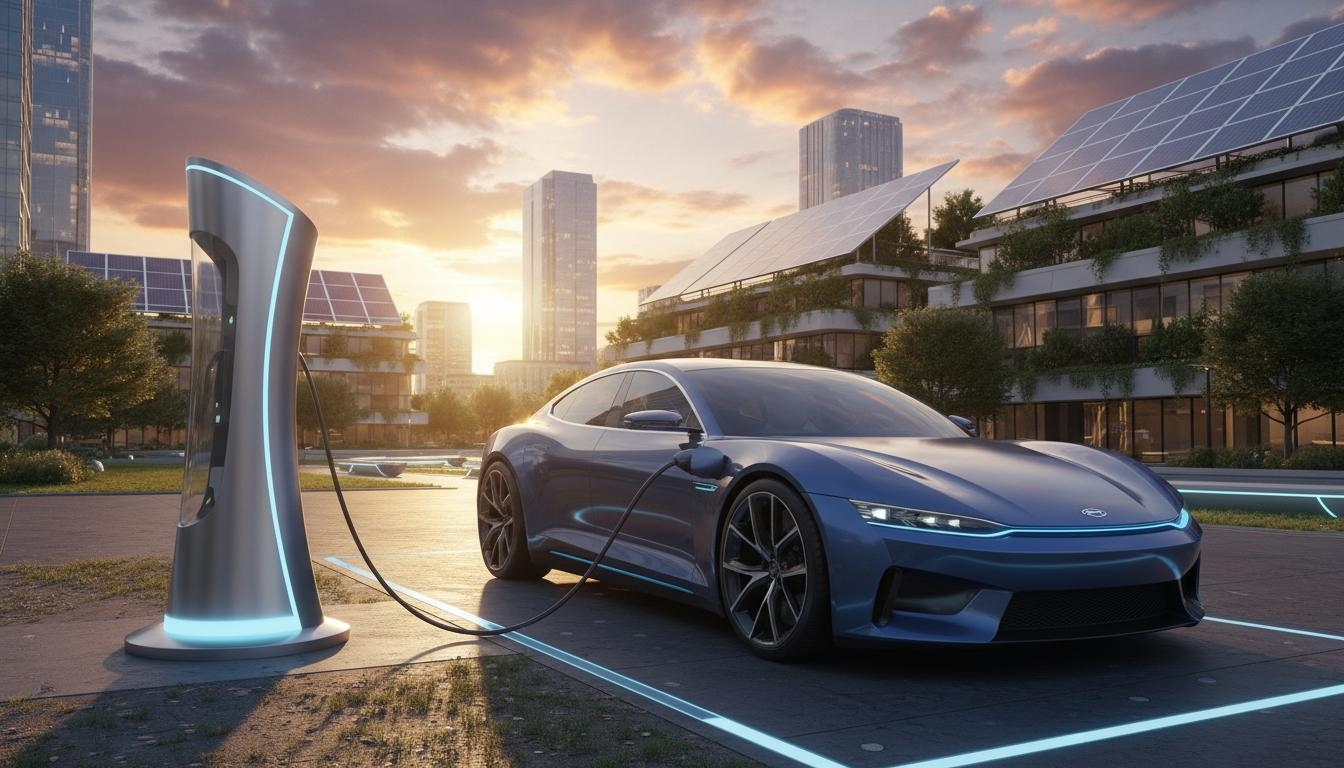
For decades, people have been asking the same unsettling question: Is petrol going to run out? It’s a concern that sits in the back of many minds as we fill up our cars at the gas station, watching the numbers on the pump climb higher and higher. The truth is both more complex and more urgent than most people realize. While the world won’t wake up tomorrow to find every last drop of oil gone, the reality of petrol depletion is approaching faster than we might be comfortable admitting.
The concept of “peak oil” has been discussed among experts for over half a century. This theory suggests that there will come a point when global oil production reaches its maximum rate, after which production will enter terminal decline. Some analysts believe we’ve already passed this point, while others argue it’s still decades away. What everyone agrees on, however, is that oil is a finite resource. It took millions of years for organic matter to transform into the crude oil we pump from the ground today, and we’re consuming it at a rate that nature simply cannot replenish.
The world’s oil reserves are indeed vast, but they’re not infinite. According to various estimates, at current consumption rates, we have somewhere between 47 to 50 years of proven oil reserves remaining. That might sound like plenty of time, but this figure doesn’t tell the whole story. As easily accessible oil fields dry up, we’re forced to turn to more difficult and expensive sources—deep-water drilling, tar sands, and shale oil. These methods are not only costlier but also carry significantly higher environmental risks.
To truly grasp the urgency of petrol depletion, we need to understand just how deeply embedded oil is in our daily lives. Transportation is the most obvious example, but petroleum products are everywhere. The plastic in your phone, the synthetic fibers in your clothes, the fertilizer that grows your food, the asphalt on our roads—almost everything around us has some connection to oil. This pervasive dependence makes the transition away from fossil fuels one of the most significant challenges humanity has ever faced.
The transportation sector alone accounts for approximately 60% of global oil consumption. Cars, trucks, ships, and planes all run primarily on petroleum-based fuels. In developing nations, as economies grow and more people can afford vehicles, this demand is only increasing. China and India, with their massive populations and rapidly expanding middle classes, are adding millions of new vehicles to their roads every year. This growing appetite for personal transportation puts enormous pressure on already strained oil supplies.
The geopolitical implications of oil dependence are equally troubling. Many of the world’s oil reserves are concentrated in politically unstable regions, making global supply vulnerable to conflicts, sanctions, and diplomatic tensions. We’ve seen this play out repeatedly throughout history, from the oil crises of the 1970s to more recent disruptions in the Middle East. Every spike in oil prices sends shockwaves through the global economy, affecting everything from food prices to manufacturing costs.
While petrol depletion is a serious concern, it’s not the only reason we need to rethink our relationship with fossil fuels. Climate change has emerged as perhaps the most pressing challenge of our time, and burning petroleum products is a major contributor to global warming. The transportation sector is responsible for about 24% of global carbon dioxide emissions, making it one of the largest sources of greenhouse gases.
The evidence of climate change is now undeniable. Rising global temperatures, melting ice caps, more frequent extreme weather events, and shifting climate patterns are all signs that our planet is warming at an alarming rate. Scientists have warned that if we don’t dramatically reduce our carbon emissions within the next few decades, we risk triggering catastrophic and irreversible changes to our climate system.
Air pollution from vehicle emissions also poses immediate health risks. In major cities around the world, smog and particulate matter from car exhaust contribute to respiratory diseases, heart conditions, and premature deaths. The World Health Organization estimates that air pollution causes approximately 7 million premature deaths annually worldwide. Transitioning to cleaner forms of transportation isn’t just about preserving oil reserves or fighting climate change—it’s about protecting public health.
Enter Electric Vehicles: The Game Changer
This is where electric vehicles come into the picture. EVs represent a fundamental shift in how we think about transportation. Instead of burning fuel in an internal combustion engine, electric cars run on batteries that store electrical energy. This simple difference has profound implications for efficiency, emissions, and our relationship with energy.

The benefits of electric vehicles are numerous and compelling. First and foremost, they produce zero tailpipe emissions. When you drive an electric car, you’re not releasing carbon dioxide, nitrogen oxides, or particulate matter into the air. This makes EVs significantly cleaner than their gasoline-powered counterparts, especially when the electricity used to charge them comes from renewable sources like solar or wind power.
The efficiency of electric motors is another major advantage. Internal combustion engines waste a tremendous amount of energy as heat—typically only about 20-30% of the energy in gasoline actually goes toward moving the car. Electric motors, by contrast, convert about 85-90% of electrical energy into motion. This means EVs can travel much further on the equivalent amount of energy, making them cheaper to operate over time.
Maintenance costs for electric vehicles are also significantly lower. With fewer moving parts than conventional cars, there’s less that can go wrong. No oil changes, no spark plugs, no transmission fluid, no exhaust system repairs—the list of maintenance items that EV owners can forget about is long. This simplicity translates to lower costs and less time spent at the mechanic.
The Rapid Evolution of EV Technology
The electric vehicles of today are vastly superior to those of just a decade ago. Battery technology has improved dramatically, addressing one of the biggest concerns potential buyers have: range anxiety. Early electric cars could only travel 100 kilometers or so on a single charge, making them impractical for anything beyond city driving. Today’s EVs routinely offer ranges of 400 kilometers or more, with some luxury models exceeding 600 kilometers.
Charging infrastructure has also expanded rapidly. What was once a major barrier to EV adoption is becoming less of an issue every year. Public charging stations are popping up everywhere—from shopping centers and restaurants to highway rest stops and office buildings. Fast-charging technology allows drivers to add hundreds of kilometers of range in just 30 minutes, making long road trips increasingly feasible.
The cost of batteries, which has long been the biggest factor making EVs more expensive than conventional cars, has fallen by nearly 90% over the past decade. As battery production scales up and technology continues to improve, experts predict that electric cars will reach price parity with gasoline vehicles within the next few years. Some analysts believe this tipping point could come as early as 2025.
The Economic Case for Going Electric
When considering whether to switch to an electric vehicle, many people focus on the sticker price and conclude that EVs are too expensive. This perspective misses the bigger economic picture. While the upfront cost may be higher, the total cost of ownership over the life of the vehicle often favors electric cars.
Electricity is significantly cheaper than gasoline on a per-kilometer basis. Depending on local electricity rates and fuel prices, driving an EV can cost one-third to one-half as much as driving a comparable gasoline car. Over the course of several years, these savings add up to thousands of dollars.
Government incentives further sweeten the deal. Many countries offer tax credits, rebates, or other financial incentives to encourage EV adoption. Some places provide additional perks like access to carpool lanes, reduced registration fees, or free parking. These incentives can offset much or all of the price premium for electric vehicles.

The resale value of EVs is also improving as the market matures. Early concerns about battery degradation have proven largely unfounded, with many electric cars retaining their range and performance even after hundreds of thousands of kilometers. As more consumers recognize the benefits of electric transportation, demand for used EVs is growing.
Global Momentum: The World Goes Electric
The transition to electric vehicles is no longer a question of if, but when. Countries around the world are setting ambitious targets for phasing out internal combustion engines. Norway plans to ban the sale of new gasoline and diesel cars by 2025. The United Kingdom and several other European countries have set 2030 as their target date. Even major automakers are getting on board, with companies like Volvo, Jaguar, and Bentley announcing plans to go fully electric within the next decade.
China, the world’s largest auto market, is aggressively promoting electric vehicles as part of its strategy to reduce pollution and dependence on imported oil. The Chinese government has invested billions in EV infrastructure and manufacturing, and Chinese companies now dominate the global battery market. This investment is paying off—more electric cars are sold in China than in the rest of the world combined.
Traditional automakers are pouring resources into electrification. Volkswagen, the world’s second-largest car manufacturer, plans to invest over $50 billion in electric vehicles and digital services. General Motors has committed to launching 30 new electric models by 2025 and going carbon neutral by 2040. Even luxury brands known for their powerful gasoline engines, like Ferrari and Lamborghini, are developing hybrid and fully electric supercars.
Addressing Common Concerns About EVs
Despite the clear advantages of electric vehicles, some people remain hesitant to make the switch. Let’s address some of the most common concerns.
“What about charging time?” It’s true that charging an EV takes longer than filling a gas tank. However, most charging happens overnight at home while you sleep. For daily commuting and errands, this is actually more convenient than visiting a gas station. For longer trips, fast-charging networks are expanding rapidly, and charging speeds continue to improve.
“Can EVs handle cold weather?” Cold temperatures do reduce battery range, typically by 15-30% in extreme conditions. However, modern EVs have sophisticated thermal management systems to mitigate this effect, and the vast majority of drivers live in climates where cold weather isn’t a significant issue. For those in very cold regions, keeping the car plugged in when parked helps maintain battery temperature.
“What about battery replacement costs?” While EV batteries are expensive, they typically last the life of the vehicle. Most manufacturers offer warranties of 8 years or more, and real-world data shows that batteries retain 80-90% of their capacity even after 200,000 kilometers. By the time a battery might need replacement, costs will likely have decreased significantly.
“Are EVs really cleaner if the electricity comes from coal?” Even when powered by electricity from fossil fuel sources, EVs are generally cleaner than gasoline cars due to their superior efficiency. Power plants are also more efficient than car engines and can be fitted with pollution controls that aren’t practical for vehicles. As the grid gets cleaner—and it is, as renewable energy expands—the environmental benefits of EVs only increase.

The Role of Renewable Energy
The marriage of electric vehicles and renewable energy is a match made in heaven. Solar panels on your roof can charge your car with clean, free energy from the sun. Wind turbines can generate electricity to power millions of vehicles without producing any emissions. This synergy between clean transportation and clean energy is key to building a sustainable future.
Vehicle-to-grid technology adds another dimension to this relationship. In the future, EVs won’t just consume electricity—they’ll store it and feed it back into the grid when needed. This capability turns electric cars into mobile batteries that can help balance the grid, store excess renewable energy, and provide backup power during outages. Your car could become a valuable asset to the electricity system, potentially earning you money.
Home solar installations are becoming increasingly affordable, and many EV owners are pairing their cars with rooftop solar panels. This combination allows them to drive on sunshine, achieving true zero-emission transportation while insulating themselves from rising fuel prices. As battery storage technology improves, it will become increasingly practical to store solar energy during the day and use it to charge your car at night.
What This Means for You
The transition away from petrol is happening whether we’re ready for it or not. The question is whether you’ll be ahead of the curve or scrambling to catch up. Early adopters of electric vehicles are already enjoying the benefits of lower operating costs, superior driving experience, and the satisfaction of reducing their environmental impact.
If you’re in the market for a new car, seriously consider going electric. The options available today are better than ever, with models to suit every budget and lifestyle. From affordable compact cars to luxury SUVs and even pickup trucks, there’s likely an EV that meets your needs. Take a few for test drives—you might be surprised by how much you enjoy the instant acceleration, quiet operation, and modern technology.
Even if you’re not ready to buy an electric car today, start preparing for the transition. Learn about charging options in your area, understand your daily driving patterns, and research the models that interest you. The more informed you are, the smoother your transition will be when the time comes.
The Broader Implications for Society
The shift from petrol to electricity extends far beyond individual car buyers. It represents a fundamental restructuring of our energy systems, our economy, and our relationship with the environment. Entire industries will be transformed, new jobs will be created, and old ones will fade away.
The oil industry, which has dominated the global economy for over a century, faces an existential challenge. While oil will remain important for plastics, chemicals, and other applications for decades to come, its role as the primary transportation fuel is coming to an end. This transition will have profound implications for oil-producing nations, energy companies, and the millions of people employed in the petroleum sector.

On the flip side, the electric vehicle revolution is creating enormous opportunities. Battery manufacturing, charging infrastructure installation, software development, and grid modernization are all growth industries. The skills needed for these jobs are different from those required in the oil industry, so retraining programs will be essential to ensure workers can transition to the new economy.
Urban planning is also being transformed by the rise of electric vehicles. Cities are reconsidering their transportation infrastructure, with many prioritizing electric public transit, bike lanes, and pedestrian-friendly spaces. The reduction in air pollution and noise that comes with widespread EV adoption will make cities more pleasant places to live.
Looking Ahead: The Road to 2030 and Beyond
The next decade will be pivotal in the transition to sustainable transportation. By 2030, experts predict that electric vehicles will account for 30-50% of new car sales in many markets. Several countries may have banned the sale of new gasoline and diesel vehicles entirely. The charging infrastructure will be ubiquitous, and battery technology will have advanced to the point where range and charging concerns are largely eliminated.
The petrol depletion timeline may extend decades into the future, but the economic and environmental case for moving away from oil is compelling today. Every electric vehicle on the road reduces demand for petroleum, cuts emissions, and drives further innovation in clean technology. The transition is accelerating, and each year brings new breakthroughs and improvements.
By 2040, it’s possible that gasoline-powered cars will be rare sights on most roads. They may become collector’s items, maintained by enthusiasts but impractical for daily use. The infrastructure that supports them—gas stations, oil refineries, repair shops specializing in internal combustion engines—will have largely disappeared or transformed to serve new purposes.
Embracing the Electric Future
So, is petrol going to run out? Eventually, yes. The world’s oil reserves are finite, and we’re consuming them at an unsustainable rate. But the more important question is whether we should continue using petrol even if it were abundant. The answer to that is increasingly clear: no. The environmental, economic, and health costs of our dependence on fossil fuels are too high.
Electric vehicles offer a viable, increasingly attractive alternative. They’re cleaner, cheaper to operate, more efficient, and simply more pleasant to drive than their gasoline-powered predecessors. The technology is mature, the infrastructure is growing, and the momentum is undeniable.
The transition won’t happen overnight, and there will be challenges along the way. But the direction is clear, and the benefits are real. Whether you’re motivated by concern for the environment, desire to save money, or simply appreciation for great technology, there’s never been a better time to consider going electric.
The age of petrol is ending. The age of electricity is beginning. The choice is yours: be part of the solution, or be left behind. The future is electric, and it’s arriving faster than you might think.
About This Article: This article explores the realities of petrol depletion and the rise of electric vehicles. With focus on sustainable transportation, renewable energy, and the future of transport, it aims to inform readers about the inevitable shift away from fossil fuels toward cleaner alternatives. Whether you’re considering your first EV or simply curious about the changing automotive landscape, understanding these trends is essential for navigating the road ahead.