America is the wealthiest country in the world, yet hidden within its education system lies a massive crisis – the student loan crisis. A student loan is money that students borrow from banks or the government to pay for their college or university fees. Believing that they will get a good job after completing their education and will be able to repay this debt, millions of students take these loans every year. But the reality is quite different.
Today in America, approximately 45 million people carry the burden of student loans. Their total debt exceeds 1.7 trillion dollars. This amount is so large that it surpasses the GDP of many countries. An average student graduates from college with debt ranging from $30,000 to $50,000. For some professional courses like becoming a doctor, lawyer, or engineer, this debt can reach up to $100,000 or more.
To understand the concept of student loans in simple terms, it is a debt that students take for their higher education. This includes both federal loans and private loans. Federal loans are provided by the government and have lower interest rates. Private loans are given by banks or financial institutions and carry higher interest rates. Neither loan is easy to obtain, and its impact lasts a lifetime.
History: How Did This Crisis Begin?
The history of student loans in America begins with the National Defense Education Act of 1958. At that time, the government believed that the country needed more educated citizens. Therefore, the government established a system to easily provide loans to students. But no one could have imagined that this would become such a massive crisis in the future.
In 1965, the Higher Education Act was passed, which made the federal student loan program even more accessible. Gradually, private banks also entered this sector. In the 1970s, college fees began rising rapidly. Government funding decreased, and students were forced to take more and more loans. The problem became even more serious in the 1980s when tuition fees started increasing rapidly.
The 2008 financial crisis made this problem even worse. Many people lost their jobs, homes were sold, and people could not afford their children’s education. Even after this, college fees continued to rise. Today, the annual fees at many universities exceed $50,000. Including living expenses, books, and other costs, this amount reaches $70,000 to $80,000.
In the 1990s, private lenders started giving more and more loans because they were making profits. Companies like Sallie Mae turned student loans into a profitable business. Students began getting loans without any guarantee, and colleges took advantage of this by raising their fees.
Current Situation: How Bad Is It Today?
If we look at the current situation, this crisis has become extremely severe. According to Federal Reserve data, the total student loan debt in America is $1.7 trillion. This is more than credit card debt, more than auto loans, and is the largest debt after home mortgages. Approximately 10 million people have debt exceeding $100,000.
The most concerning fact is that the rate of loan repayment is declining. About 10% of loans have defaulted or are being paid more than 90 days late. This means millions of students are unable to repay their debt. Their credit scores are being damaged, they are not getting jobs, and their dreams of buying a home remain unfulfilled.
According to 2023 data, approximately 43 million Americans have student loans. Many of them are still repaying their student loans even at the age of 40-50. This is a generation that cannot save money for their children’s education because they themselves are drowning in debt.
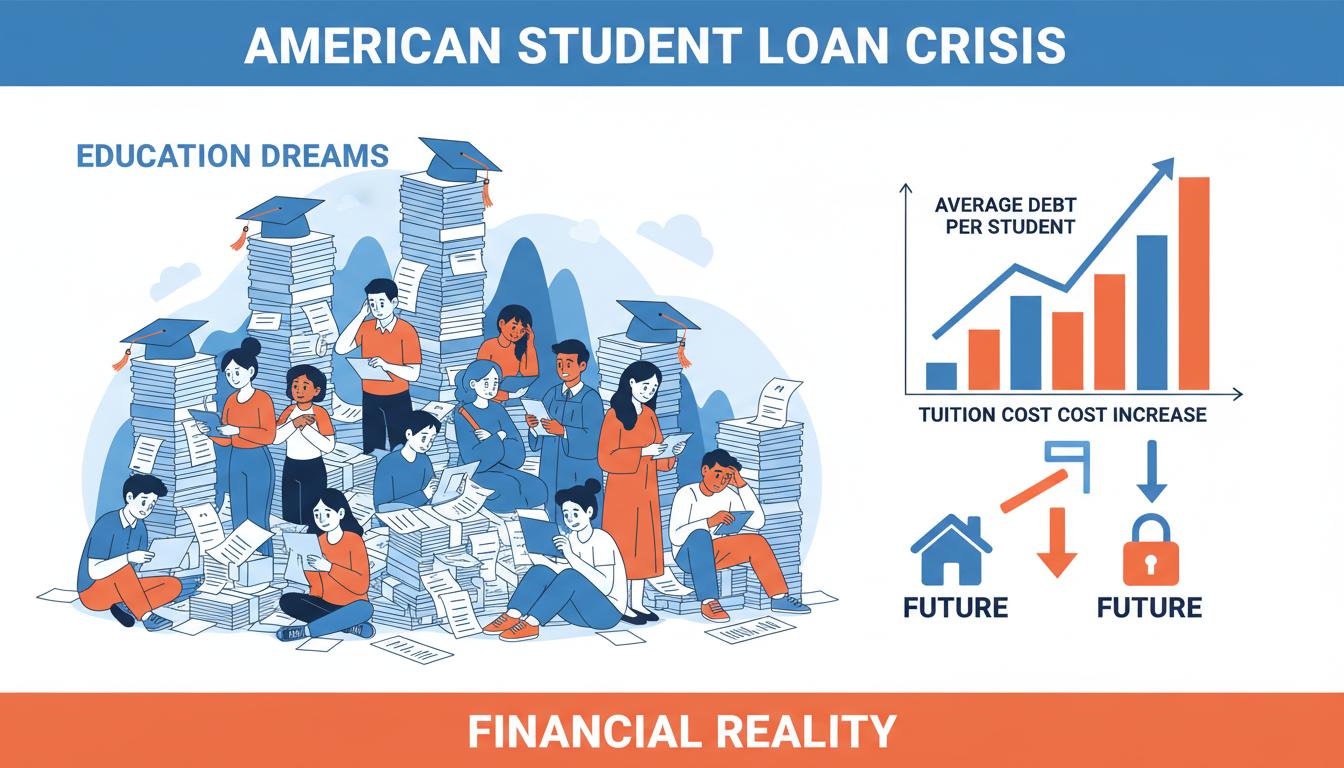
Figure 2: Education Dreams vs Financial Reality
Impact: How This Debt is Ruining Lives
The impact of student loans is not just financial; it affects a student’s entire life. The first impact is that even after getting a job, a person dedicates a large portion of their salary to repaying the loan. Many people have to pay EMIs for 10-20 years. Because of this, they cannot buy homes for themselves, marriage is delayed, and they cannot save money for raising children.
The second major impact is on mental health. Many students have developed anxiety, depression, and stress problems. They wonder why they took such a large debt. Some reach a point where they feel their life has no meaning. In some cases, students have even committed suicide due to the burden of this debt.
The third impact is on the economy. When people spend their money repaying loans, they cannot spend on other things. The purchase of homes, cars, and electronic items decreases. This harms businesses and slows down economic growth. Many economists say that the student loan crisis is a major threat to America’s economic growth.
Student loans also impact social life. Many people cannot go out with friends, cannot eat at restaurants, and cannot pursue their hobbies. Their lives pass by in just work and loan repayment. This is a life where there is no room for happiness, only tension and worry.
Reasons: Why Is This Crisis Growing?
There are several reasons behind this crisis. The biggest reason is the continuous increase in college fees. Over the past 30 years, college fees have increased by approximately 1200%. This is many times more than inflation. Government aid for education is decreasing, forcing colleges to raise their fees.
The second reason is the easy availability of student loans. When anyone can get a loan without any guarantee, colleges do not hesitate to raise fees. They know that students will take loans at any cost. This has created a vicious cycle – fees increase, loans increase, and the burden on students increases.
The third reason is the declining value of degrees. Nowadays, just having a degree does not guarantee a good job. Many graduates cannot find work in their field and have to take other jobs with lower salaries. In this situation, repaying their loans becomes even more difficult.
The fourth reason is the lack of financial education. Many students do not understand the interest rates, repayment terms, and long-term effects of loans before taking them. They only see that they are getting money for their education. When they understand the real truth later, it is often too late.
Solutions: How to Deal With This Problem?
There is no easy solution to this crisis, but several steps can be taken. The government is running loan forgiveness programs in which some people’s debt is being waived. Under the Public Service Loan Forgiveness program, those who work in government jobs can have some of their debt forgiven after 10 years.
In some states, community college has been made free. This allows students to complete their education with less money. Many companies are now helping their employees repay their student loans. This is a good start.
But most importantly, college fees need to be controlled. The government needs to spend more money on education so that colleges do not need to raise fees. Additionally, students need to be taught financial literacy so they can understand what to consider before taking a loan.
Income-based repayment plans are also a good option where students pay EMIs according to their salary. If the salary is low, the EMI is also low. Additionally, there is the option of refinancing, where old high-interest loans can be replaced with new low-interest loans.
Comparison: What Is The Situation In Other Countries?
If we compare America with other developed countries, the situation there is much better. In Germany, France, and Nordic countries, higher education is either free or has very low fees. Students there do not have to take such large debts.
In Canada too, fees are lower than in America and the government provides more assistance. In the UK, fees are increasing but repayment terms are more flexible. In Australia, there are income-contingent loans where students only pay EMIs when their salary exceeds a certain limit.
America needs to learn from these countries. Education is an investment, not a burden. When the government invests in its citizens’ education, it secures the country’s future.
Conclusion: What Should Be Done?
The student loan crisis is one of America’s biggest economic and social problems. Its impact is not just on students but on the entire society. If immediate steps are not taken on this, it will become even more serious. Many experts say that this crisis could cause the next economic recession.
The government, colleges, banks, and students – everyone needs to work together to find a solution to this problem. Education should be a right that everyone can afford, not something that puts people in debt for life. America needs to reform its education system to show that it is truly the world’s leading country.
It will be interesting to see how America emerges from this crisis in the coming years. Will the government bring new laws? Will colleges reduce their fees? Will students have more options? Only time will tell the answers to these questions. But one thing is certain – this crisis cannot be ignored. Immediate and effective steps need to be taken to address it.
Every student who is crushed under the burden of this debt lives with hope that one day this problem will be solved. America needs to give its youth the opportunity to fulfill their dreams. Only then can this country truly be great when its citizens can live their lives without any burden.
The solution to this crisis will not come from government policies alone. Every individual needs to understand their responsibility. Parents need to teach their children financial literacy. Schools and colleges need to inform students about the risks of loans. Banks need to give loans responsibly. Only by working together can this massive crisis be overcome.
Finally, it would not be wrong to say that the student loan crisis is a problem that has put America’s youth’s future at risk. But every problem has a solution. What is needed is just the right thinking and taking the right steps. It is hoped that in the coming years, this situation will improve and every student will be able to complete their education without the burden of any debt.