For generations, owning a car has been synonymous with freedom, independence, and the American Dream. From teenagers eagerly awaiting their driver’s licenses to families loading up for cross-country road trips, the automobile represents more than just transportation, it symbolizes possibility. But beneath this shiny veneer of mobility and aspiration lies a darker reality that millions of Americans are waking up to every single day: the car loan debt trap.
What starts as an exciting trip to the dealership, the smell of new leather, the gleam of fresh paint, the promise of reliable transportation, often ends in years of financial strain, sleepless nights, and a crushing burden of debt that can feel impossible to escape. The car that was supposed to take you to work, to school, to life’s opportunities, becomes a financial anchor dragging you underwater.
This is not a story about irresponsible spending or living beyond one’s means. This is a story about a systematically broken lending industry that profits from confusion, exploits vulnerability, and traps hardworking people in cycles of debt that can last for decades. From predatory interest rates to deceptive sales tactics, from underwater loans to aggressive repossession practices, the auto lending industry has perfected the art of turning the American dream into a financial nightmare.
In this comprehensive guide, we will pull back the curtain on the hidden debt trap of car loans. We will explore the shocking statistics that reveal the true scope of this crisis, examine the predatory practices that keep borrowers trapped, and most importantly, provide you with the knowledge and tools you need to protect yourself and your family from becoming the next victim.
The auto loan industry is massive, with Americans carrying over $1.6 trillion in auto debt as of 2025. To put that number in perspective, it is larger than the entire economy of all but a handful of countries in the world. This debt is not evenly distributed, and it is not just a problem for people who made bad decisions. It is a systemic issue that affects working families across America, from the single mother trying to get to her minimum wage job, to the middle-class family stretching their budget for a reliable family vehicle, to the recent graduate who needs transportation to start their career.
What makes the car loan debt trap particularly insidious is how normalized it has become. We have been conditioned to believe that a car payment is just another monthly bill, like electricity or rent. Car commercials bombard us with messages about affordable monthly payments, zero down, and easy credit approval. We are told that everyone deserves a new car, that we work hard and we deserve it, that the monthly payment is manageable. But this messaging is designed to obscure the true cost of what we are signing up for, and to keep us from asking the hard questions that might protect us from financial harm.

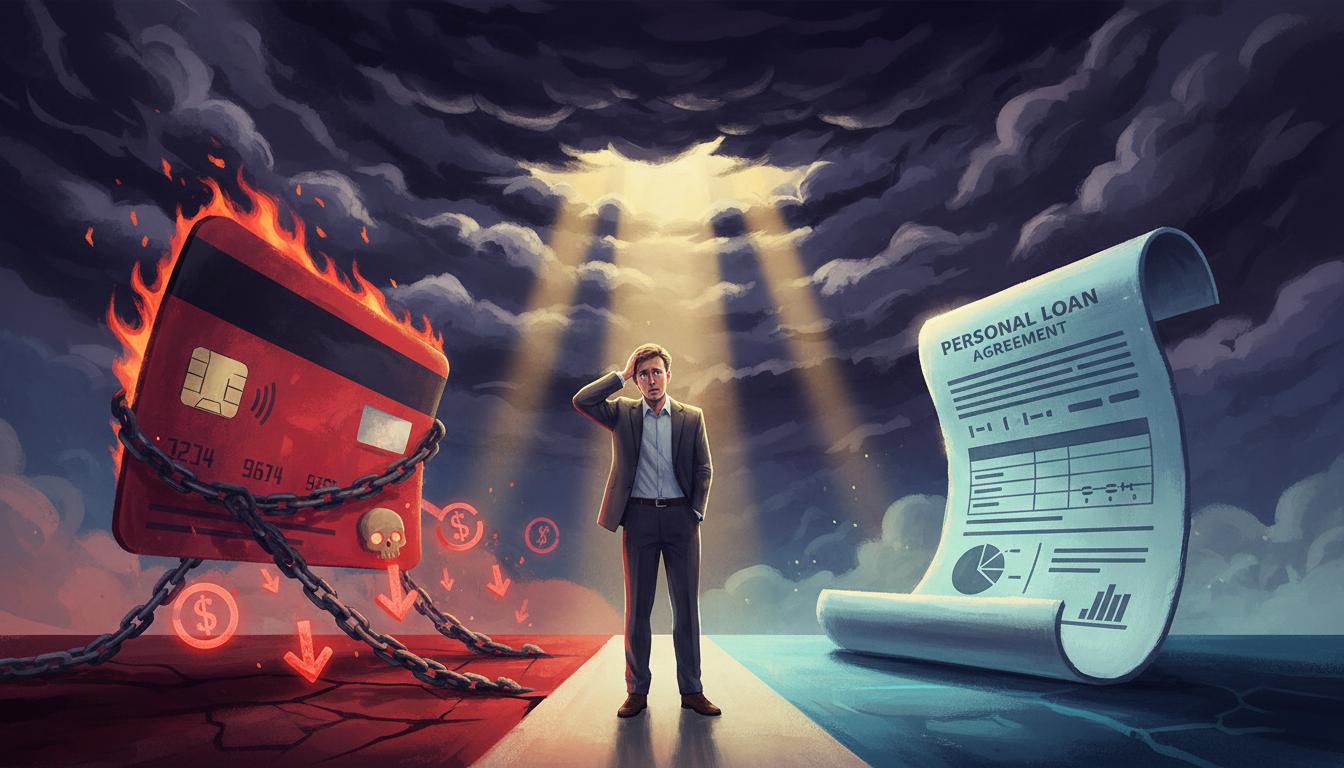
Figure 1: The chains of auto loan debt can feel inescapable for millions of Americans.
The Shocking Statistics Behind Auto Loan Debt
The numbers do not lie, and they tell a story that should alarm every American consumer. Auto loan debt has reached unprecedented levels, and the warning signs of a crisis are flashing bright red. Understanding these statistics is the first step toward protecting yourself from becoming another data point in this growing tragedy.
Record-Breaking Delinquency Rates
According to the latest data from the Federal Reserve, auto loan delinquency rates have hit a fifteen-year high. In the third quarter of 2025, the percentage of auto loan balances that were at least thirty days past due reached 3.88 percent, the highest level since the aftermath of the Great Recession. This represents approximately one and a half times the delinquency rate seen during the COVID-19 pandemic in mid-2021.
But the thirty-day delinquency figure only tells part of the story. When we look at seriously delinquent auto debt, defined as loans that are ninety or more days past due, the picture becomes even more alarming. As of late 2025, 5.21 percent of all auto loans were severely delinquent, compared to just 4.83 percent one year earlier. This is significantly higher than the long-term average of 3.57 percent, indicating that more Americans are falling deeper into default than at any point in recent memory.
A comprehensive study by LendingTree found that 5.1 percent of all Americans with auto loans are currently delinquent on at least one account. This rate varies dramatically by state, ranging from a low of 3.2 percent in states like Alaska, Utah, Washington, and New Hampshire, to a staggering 9.8 percent in Mississippi. Southern states occupy all fourteen of the highest delinquency positions, with Louisiana at 8.4 percent and Georgia at 7.8 percent following closely behind Mississippi.
Perhaps most concerning is that these rising delinquency rates are occurring even while the overall economy remains relatively stable and unemployment rates stay low. As Jeremy Robb, acting chief economist at Cox Automotive, explains, “Inflation remains a clear omnipresent issue for consumers, whether it is vying to pay their automotive loan, their insurance, their gas bill or their food bill. The consumer is kind of strapped.” This suggests that if economic conditions worsen, the delinquency crisis could spiral even further out of control.
The Negative Equity Crisis
Being “upside down” or “underwater” on your car loan means you owe more than the vehicle is actually worth. This situation has become increasingly common, trapping millions of borrowers in a cycle where they cannot sell their car without owing thousands of dollars, cannot trade it in without rolling massive debt into a new loan, and cannot afford to keep making the payments.
According to Edmunds data from the third quarter of 2025, more than one in four new vehicle trade-ins, 28.1 percent to be exact, involved negative equity. This represents a four-year high and continues a troubling upward trend from 26.6 percent in the second quarter of 2025 and 24.2 percent in the first quarter. The last time negative equity rates were this high was in early 2021, when 31.9 percent of trade-ins were underwater.
The amount of negative equity has also reached record levels. The average amount owed on upside-down auto loans hit an all-time high of $6,905 in the third quarter of 2025, surpassing the previous record of $6,880 set earlier that year. Nearly one in three underwater car owners, 32.9 percent, now owe between $5,000 and $10,000 more than their vehicle is worth. Even more alarming, 24.7 percent of trade-ins with negative equity carried more than $10,000 in excess debt, and 8.3 percent exceeded $15,000 in negative equity.
As Ivan Drury, Edmunds’ director of insights, warns, “The sheer amount of debt consumers are carrying in their trade-ins should be a wake-up call. Much of this stems from shoppers trading out of vehicles too quickly, or carrying loans taken out during the pandemic car market frenzy, when prices were at record highs. Those choices are now catching up, making it far harder to buy again without piling on even more debt.”
The pandemic years of 2020 and 2021 created a perfect storm for negative equity. Supply chain disruptions led to record-high vehicle prices, and many buyers paid premiums that their cars will never recover. Now, as vehicle prices normalize and depreciation continues its inevitable march, these buyers find themselves owing far more than their vehicles are worth. For those who took out long-term loans during this period, the situation is particularly dire. They may still owe nearly their original loan amount while their car has lost a third or more of its value.
The consequences of negative equity extend far beyond the individual borrower. When millions of Americans are underwater on their car loans, it creates ripple effects throughout the economy. Consumer spending decreases as more income goes toward car payments. Home ownership is delayed as people cannot save for down payments. Retirement savings suffer as people prioritize monthly bills over long-term financial security. The car loan debt trap does not just hurt individual borrowers, it weakens the economic foundation of entire communities.
How Car Loans Become Debt Traps
Understanding how a simple car purchase transforms into a financial prison requires examining the mechanisms that lenders and dealers use to ensnare borrowers. These are not accidents or isolated incidents, they are systematic practices designed to maximize profits at the expense of consumers.
Predatory Lending Practices
The auto lending industry is rife with predatory practices that would be illegal in many other financial contexts. While some of these tactics are technically legal, they exploit information asymmetry, consumer vulnerability, and the complexity of auto financing to extract maximum profit from each transaction.
One of the most common predatory practices is interest rate markup, also known as dealer reserve. Here is how it works: when you apply for financing at a dealership, they submit your information to lenders who respond with a “buy rate,” the minimum interest rate at which they are willing to fund your loan. The dealer then has the discretion to increase this rate and pocket the difference as additional profit. This practice alone adds an estimated $25.8 billion in hidden interest over the lives of affected car loans.
As Christine Hines, senior policy director at the National Association of Consumer Advocates, explains, “It also is quite abusive and can be discriminatory because they can choose how and who they charge these markups to and how much.” Studies have shown that minority borrowers are disproportionately targeted for higher markups, making this practice not just predatory but potentially discriminatory.
Another devastating tactic is the “yo-yo sale,” also known as spot delivery or conditional sale. In this scenario, the dealer allows you to take the vehicle home before financing is fully approved, often claiming they need to verify a few details. Days or weeks later, they call you back claiming the original financing fell through and demanding that you return to sign new paperwork with a higher interest rate, larger down payment, or less favorable terms. By this point, you have already shown the car to friends and family, made emotional attachments, and possibly traded in your old vehicle, which may have already been sold.
Loan packing is another insidious practice where dealers add unnecessary and overpriced products to your loan without your full understanding or consent. These can include extended warranties, gap insurance, credit life insurance, rustproofing, theft deterrent packages, and window etching. Each of these add-ons increases your loan amount, generates additional profit for the dealer, and often provides little to no real value to you as the consumer.
Buy Here Pay Here dealerships represent perhaps the most predatory end of the auto lending spectrum. These dealers specifically target consumers with poor credit or no credit history, offering in-house financing at exorbitant interest rates that often exceed 20 percent or even 30 percent annually. Their business model is not built on selling cars, it is built on extracting maximum profit from each vehicle through repeated sales, repossessions, and resales. A single vehicle might be sold, repossessed, and resold multiple times, generating profit for the dealer while leaving a trail of financially devastated buyers in its wake.
Mandatory arbitration clauses are another tool used by predatory lenders to strip consumers of their rights. These clauses, often buried in the fine print of loan agreements, require borrowers to resolve disputes through private arbitration rather than through the court system. Arbitration is heavily skewed in favor of businesses, with arbitrators often depending on repeat business from the companies they rule against. Consumers who have been wronged find themselves unable to seek justice, unable to join class action lawsuits, and unable to publicly expose predatory practices.
Another common tactic is the bait and switch, where dealers advertise incredibly low prices or interest rates to get customers in the door, only to claim those deals are no longer available and push them toward much more expensive alternatives. By the time the customer realizes what has happened, they have invested significant time and emotional energy in the purchase process, making it harder to walk away. The salesperson may also employ high-pressure tactics, claiming the deal is only valid for today or that other buyers are interested in the same vehicle.
Perhaps the most emotionally manipulative tactic is the focus on monthly payments to the exclusion of all other factors. Salespeople are trained to ask what monthly payment you can afford, then structure the entire deal around that number. This allows them to hide higher interest rates, longer loan terms, and expensive add-ons that dramatically increase the total cost of the vehicle. A customer who focuses only on the monthly payment might agree to a seven-year loan at a high interest rate with thousands of dollars in add-ons, never realizing they are paying far more than the car is worth.
The Long Loan Term Trap
Perhaps no single factor has contributed more to the auto loan debt crisis than the dramatic lengthening of loan terms. Where sixty-month loans were once the standard, seventy-two, eighty-four, and even ninety-six-month loans have become increasingly common. While these extended terms lower your monthly payment, they create a perfect storm of financial problems.
First, longer loans mean you pay significantly more in interest over the life of the loan. A $30,000 car loan at 6 percent interest will cost you approximately $2,400 in interest over five years, but the same loan over seven years will cost you about $3,400 in interest, an extra $1,000 that does nothing but line the lender’s pockets.
Second, and more importantly, long loan terms virtually guarantee that you will be underwater on your loan for most of its duration. Cars depreciate rapidly in their first few years, often losing 20 to 30 percent of their value in the first year alone. With a long loan term, your payments are primarily going toward interest rather than principal in the early years, meaning your loan balance decreases much more slowly than your car’s value. Edmunds data shows that 40.7 percent of new-vehicle purchases involving negative equity are now financed with eighty-four-month loans.
Third, long loan terms trap you in your vehicle. If your financial situation changes, if you need a different type of vehicle, or if you simply want to upgrade, you cannot sell or trade in your car without bringing thousands of dollars to the table to cover the negative equity. This lack of flexibility can be devastating when life throws unexpected challenges your way.

Figure 2: The stress of overwhelming car payments affects every aspect of daily life.
Who Is Most at Risk?
While anyone can fall victim to predatory auto lending, certain groups face disproportionate risk. Understanding these vulnerabilities can help you recognize if you or someone you love might be particularly susceptible to the car loan debt trap.
Younger generations are struggling the most with auto loan payments. According to LendingTree data, Gen Z borrowers ages eighteen to twenty-eight have the highest delinquency rate at 7.5 percent, despite having the lowest average monthly payments at $577. Millennials ages twenty-nine to forty-four follow closely with a 6.9 percent delinquency rate. In contrast, baby boomers have the lowest delinquency rate at just 1.9 percent.
As Matt Schulz, chief consumer finance analyst at LendingTree, explains, “It makes sense that younger Americans would struggle the most with auto loan payments despite having lower payments. They do not earn as much as their older counterparts. They have less experience managing credit. They tend to have lower credit scores, meaning they are likely paying higher interest rates. Add it all up and it should be no surprise to see Gen Zers and millennials struggling more than Gen Xers and boomers.”
Subprime borrowers, those with credit scores below 620, face particularly harsh conditions. Federal Reserve data shows that 15.78 percent of subprime auto loans were at least thirty days delinquent as of September 30, 2025, the highest level since tracking began in 2000. These borrowers are often charged interest rates exceeding 20 percent, making it nearly impossible to build equity in their vehicles or escape the debt cycle.
Low-income Americans in Southern states face a perfect storm of challenges. These regions often have lower average credit scores, higher unemployment rates, and less public transportation infrastructure, making car ownership a necessity rather than a choice. Mississippi, Louisiana, and Georgia lead the nation in auto loan delinquency, with rates of 9.8 percent, 8.4 percent, and 7.8 percent respectively. Average monthly car payments in these states, $802, $821, and $794, exceed the national average of $751, despite these being among the lowest-income states in the country.
Buy Here Pay Here dealerships specifically target the most vulnerable consumers. These dealers typically finance used auto loans in-house to borrowers with no credit or poor credit histories. The average APR at these dealerships is much higher than bank or credit union loans, and their business model depends on high default and repossession rates. Rather than responsibly financing affordable cars, they churn the same vehicles to local buyers as many times as possible, extracting maximum profit from each transaction.
Military service members and their families face unique vulnerabilities to predatory auto lending. Frequent relocations, deployment schedules, and the pressure to quickly secure transportation for a new duty station can lead to rushed decisions. The Military Lending Act provides some protections, but dealers have found ways to circumvent these rules. Many service members find themselves trapped in loans they cannot afford, which can jeopardize their security clearances and ultimately their careers.
Seniors on fixed incomes are another vulnerable population. Living on Social Security or modest retirement savings, they may be tempted by offers of easy credit to replace an aging vehicle. However, a car payment that seems manageable today can become a crushing burden if health issues arise or if living expenses increase. Seniors who fall behind on car payments may face repossession of a vehicle they depend on for medical appointments and basic necessities, with little ability to recover financially.
Single parents face particularly difficult challenges when it comes to auto financing. They need reliable transportation to get to work, take children to school and activities, and manage all the demands of daily life. But with only one income and the high costs of childcare, they often have limited financial flexibility. A car payment that fits the budget one month might become unmanageable if a child gets sick, childcare arrangements fall through, or unexpected expenses arise. The consequences of losing a vehicle can be devastating for a single parent who has no backup transportation options.
The Devastating Consequences
Falling into the car loan debt trap does not just mean making uncomfortable budget adjustments. The consequences can be severe, long-lasting, and cascade into every aspect of your financial life. Understanding these potential outcomes is essential for appreciating the true stakes of auto lending decisions.
Repossession is the most immediate and visible consequence of auto loan default, and it is happening at alarming rates. Cox Automotive estimates that repossessions jumped 43 percent from 2022 to 2024, reaching their highest level since 2009. When your car is repossessed, you do not just lose your transportation, you may still owe thousands of dollars on a vehicle you no longer possess. This deficiency balance, the difference between what you owed and what the lender sold the car for at auction, often includes hefty repossession fees and can follow you for years.
The damage to your credit score can be catastrophic and long-lasting. A single repossession can drop your credit score by over 100 points, and the negative mark remains on your credit report for seven years. This damage affects your ability to rent an apartment, get a mortgage, obtain credit cards, or even secure employment, as many employers check credit reports as part of their hiring process.
The stress of overwhelming car debt takes a significant toll on mental and physical health. Studies have consistently linked financial stress to anxiety, depression, sleep disorders, and even cardiovascular problems. The shame and isolation that often accompany debt problems can prevent people from seeking help, creating a vicious cycle of worsening mental health and financial circumstances.
Perhaps most insidiously, the car loan debt trap can become generational. Parents struggling with underwater car loans cannot save for their children’s education, build emergency funds, or model healthy financial behaviors. Children who grow up watching their parents struggle with car payments may repeat the same patterns, perpetuating cycles of debt across generations.
How to Protect Yourself
While the car loan debt trap is a systemic problem requiring regulatory solutions, there are concrete steps you can take to protect yourself and your family. Knowledge is your best defense against predatory lending practices.
First and foremost, shop for financing before you shop for a car. Getting pre-approved for a loan from your bank, credit union, or online lender gives you a baseline interest rate to compare against dealer financing. It also removes one variable from the complex negotiation process, allowing you to focus on the vehicle price. Credit unions, in particular, often offer significantly lower rates than traditional banks or dealer financing.
Understand the total cost of the loan, not just the monthly payment. Salespeople are trained to focus your attention on monthly payments because it allows them to hide higher interest rates, longer terms, and expensive add-ons. Always ask for the out-the-door price, the total amount you will pay including all taxes, fees, and add-ons. Use an online loan calculator to understand exactly how much interest you will pay over the life of the loan.
Make the largest down payment you can reasonably afford. A down payment of at least 20 percent helps ensure you start with positive equity in your vehicle, protecting you from going underwater if you need to sell or trade in the car unexpectedly. It also reduces your loan amount, saving you money on interest and lowering your monthly payments.
Never accept a loan term longer than sixty months for a new car or forty-eight months for a used car. While longer terms lower your monthly payment, they dramatically increase your total interest costs and virtually guarantee you will be underwater for most of the loan. If you cannot afford the payments on a shorter-term loan, you cannot afford the car.
Read every document carefully before signing, and do not let anyone rush you. Take your time, ask questions about anything you do not understand, and get copies of everything you sign. If a dealer refuses to give you time to review documents or pressure you to sign immediately, walk away. There are plenty of other dealers who will treat you with respect.
Research the value of any trade-in independently before negotiating. Use resources like Kelley Blue Book or Edmunds to understand what your current vehicle is worth. If you are underwater on your current loan, consider keeping your current vehicle longer rather than rolling negative equity into a new loan. The temporary inconvenience of driving an older car is far preferable to years of crushing debt.
Finally, if you are already struggling with car payments, seek help immediately. Nonprofit credit counseling agencies can help you understand your options, negotiate with lenders, and develop a plan to get back on track. The sooner you address the problem, the more options you will have. Ignoring the problem will only make it worse.
Consider refinancing if you are currently stuck in a high-interest loan and your credit has improved since you purchased your vehicle. Refinancing to a lower rate can save you thousands of dollars over the life of the loan and help you build equity faster. However, be cautious about extending your loan term when refinancing, as this can negate the benefits of a lower rate and keep you in debt longer.
Building an emergency fund should be a top priority for anyone with a car loan. Having even a small cushion of savings can help you weather unexpected expenses or income disruptions without falling behind on your car payments. Aim to save at least three to six months of essential expenses, including your car payment, to protect yourself against financial shocks.
Education is perhaps the most powerful tool for protecting yourself from the car loan debt trap. Take the time to learn about auto financing, understand how interest works, and familiarize yourself with common dealer tactics before you step onto a car lot. The more you know, the better equipped you will be to recognize red flags and walk away from bad deals.
Remember that walking away is always an option. No matter how much time you have invested, no matter how much you want that particular car, no matter what the salesperson tells you about the deal expiring, you can always walk away. In fact, being willing to walk away is one of the most powerful negotiating tools you have. A deal that is not good for you is not a deal worth making, regardless of the pressure you might feel to sign on the dotted line.
Breaking Free from the Cycle
The car loan debt trap is not an accident. It is the predictable result of an industry that profits from confusion, exploits vulnerability, and prioritizes short-term gains over long-term consumer welfare. From predatory interest rate markups to deceptive yo-yo sales, from unnecessarily long loan terms to aggressive repossession practices, the auto lending industry has created a system designed to keep borrowers in debt.
But knowledge is power, and understanding how these traps work is the first step toward avoiding them. By shopping for financing in advance, understanding the true cost of loans, making substantial down payments, keeping loan terms reasonable, and refusing to be rushed or pressured, you can protect yourself and your family from becoming the next victims of this predatory system.
The statistics are sobering. With delinquency rates at fifteen-year highs, negative equity reaching record levels, and millions of Americans struggling to make their car payments, the car loan debt trap has become a national crisis. But behind every statistic is a real person, a real family, facing real consequences. Your neighbor who cannot sleep at night worrying about repossession. Your coworker who cannot afford to take a better job because they are trapped in an underwater car loan. Your child who will inherit the financial stress that comes from parents who were never taught how to navigate this complex system.
Breaking free from the car loan debt trap requires both individual action and systemic change. As consumers, we must educate ourselves, demand transparency, and refuse to participate in predatory lending practices. As citizens, we must advocate for stronger consumer protections, stricter regulation of dealer practices, and greater accountability for lenders who profit from others’ financial distress.
The American Dream should not require signing away your financial future for a vehicle. Freedom should not come with a monthly payment that keeps you awake at night. And transportation, which is essential to participating in modern society, should not be a pathway to poverty.
The next time you walk onto a car lot, remember what you have learned here. The shiny new car, the friendly salesperson, the promise of easy payments, these are all part of a carefully crafted sales environment designed to separate you from your money. But you are now armed with knowledge. You understand the traps. You know the warning signs. And you have the power to make informed decisions that protect your financial future.
Do not become another statistic. Do not let your dream car become your financial nightmare. Drive away from the debt trap, and toward a future of genuine financial freedom.
The path to financial security is not paved with monthly payments that stretch your budget to the breaking point. It is built on making informed decisions, understanding the true cost of borrowing, and refusing to let salespeople and lenders dictate what you can afford. It requires the discipline to save for a substantial down payment, the wisdom to choose shorter loan terms, and the courage to walk away from deals that do not serve your best interests.
We must also recognize that individual action alone cannot solve a systemic problem. The auto lending industry needs comprehensive reform to protect consumers from the predatory practices that have become standard operating procedure. We need stronger regulations on interest rate markups, clearer disclosure requirements, and robust enforcement of existing consumer protection laws. We need to ban mandatory arbitration clauses that strip consumers of their right to seek justice. And we need to hold dealers and lenders accountable when they engage in deceptive or abusive practices.
Until those systemic changes occur, the responsibility falls on each of us to protect ourselves and our loved ones. Share what you have learned here with your family and friends. Talk to your children about the realities of auto financing before they make their first car purchase. Support organizations that advocate for consumer protection and financial literacy. And most importantly, approach every car purchase with your eyes wide open, armed with knowledge and prepared to make decisions that support your long-term financial health.
The car loan debt trap is real, it is devastating millions of lives, and it is getting worse. But you do not have to be its next victim. With the knowledge you have gained from this guide, you have the power to make different choices, to ask the hard questions, and to build a financial future that is not weighed down by years of car payments. The road to financial freedom starts with a single step, and that step is saying no to the debt trap.