The 2008 financial crisis, also known as the Global Financial Crisis (GFC), was the most severe economic downturn since the Great Depression of the 1930s. It began in the United States and quickly spread across the globe, affecting millions of people, destroying trillions of dollars in wealth, and fundamentally changing the way we think about financial markets and regulation.
At its core, the crisis was a perfect storm of risky lending practices, complex financial instruments, inadequate regulation, and human greed. But to truly understand what happened, we need to go back to the beginning and examine how a problem that started in the American housing market eventually brought the entire global financial system to its knees.
This article will explain the 2008 financial crisis in simple, straightforward language. Whether you are a student trying to understand economic history, a professional looking to learn from past mistakes, or simply someone curious about one of the most significant events of the 21st century, this guide will help you grasp the key concepts, causes, and consequences of this transformative period in economic history.
The Housing Bubble: The Foundation of the Crisis
Subprime Mortgages: Lending to Those Who Couldn’t Afford It
To understand the 2008 financial crisis, we must first understand the housing bubble that preceded it. In the early 2000s, the United States experienced an unprecedented boom in housing prices. Homes that were worth $200,000 in 2000 might be worth $400,000 by 2006. This dramatic increase in home values created what economists call a “bubble” – a situation where prices rise far beyond what the underlying assets are actually worth.
What caused this housing bubble? The answer lies in something called subprime mortgages. Traditionally, banks were careful about who they lent money to. They would check a borrower’s income, credit history, and ability to repay before approving a mortgage. This careful approach ensured that most people who got home loans could actually afford to pay them back.
However, starting in the late 1990s and accelerating in the early 2000s, this careful approach began to change. Banks and other lenders started offering mortgages to people with poor credit histories, low incomes, or unstable employment. These were called “subprime mortgages” – loans made to borrowers who were considered high-risk.
Why would banks take such risks? There were several reasons. First, housing prices were rising so rapidly that even if a borrower couldn’t pay, the bank could simply foreclose on the house and sell it for a profit. Second, banks discovered they could make these risky loans and then sell them to other investors, passing the risk along. And third, there was intense competition among lenders, with each trying to write more loans than their competitors.
The result was a flood of easy credit. People who never could have bought homes before were now getting mortgages with little or no money down, sometimes without even having to prove their income. These loans often came with low “teaser” interest rates that would reset to much higher rates after a few years. The assumption was that homeowners could always refinance when the rates went up, because their homes would be worth more by then.
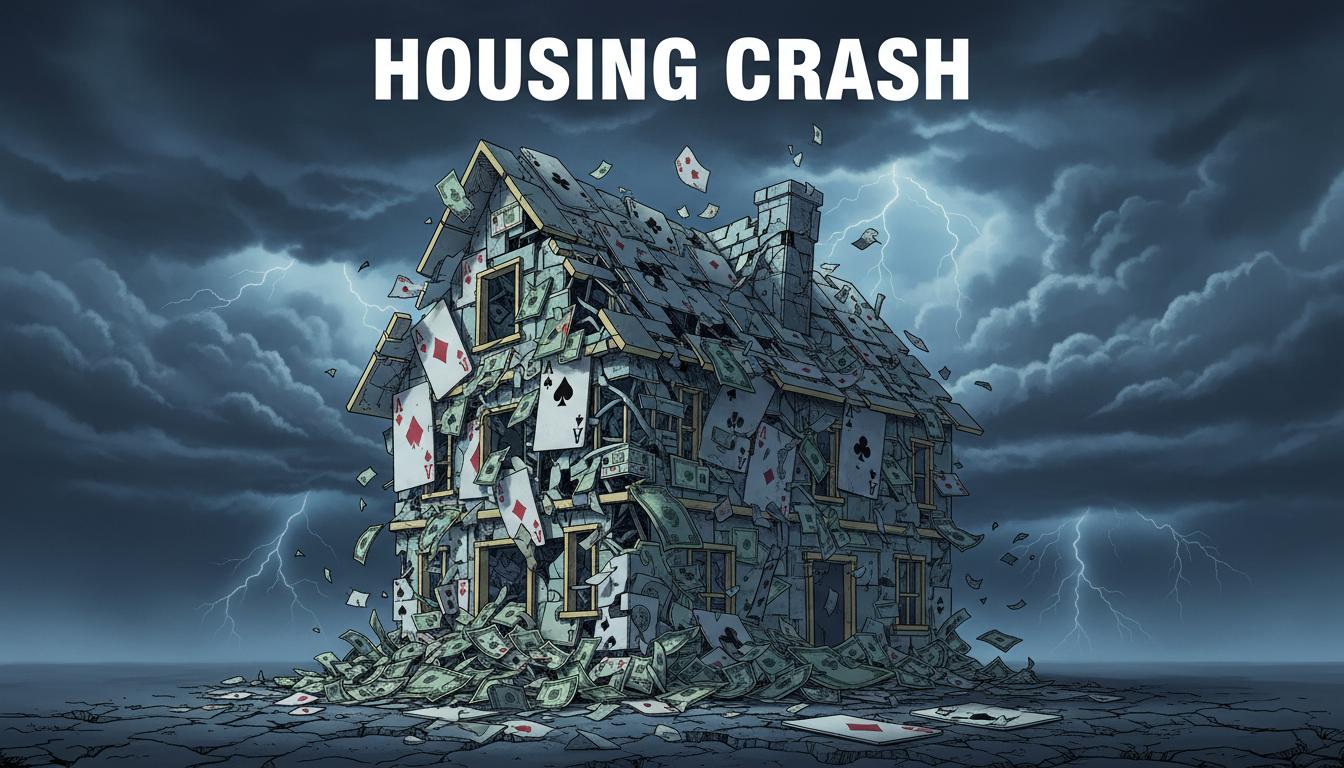
Figure 1: The housing market collapse was a key trigger of the 2008 financial crisis
The Role of Financial Institutions and Wall Street
Mortgage-Backed Securities and the Shadow Banking System
If the housing bubble was the fuel, then Wall Street’s financial innovations were the match that lit the fire. Banks discovered they could take thousands of mortgages, bundle them together, and sell them as investment products called mortgage-backed securities (MBS). These securities would pay investors based on the monthly mortgage payments made by homeowners.
This process, known as securitization, seemed like a brilliant innovation. It allowed banks to make more loans because they could immediately sell them off and use the proceeds to make even more loans. It spread risk across many investors instead of concentrating it in individual banks. And it provided investors with what appeared to be safe, steady returns backed by real estate – traditionally one of the safest investments.
But the financial engineering didn’t stop there. Wall Street created increasingly complex derivatives based on these mortgage-backed securities. One particularly notorious product was called a collateralized debt obligation, or CDO. These CDOs would take slices of mortgage-backed securities, combine them in various ways, and then sell them in different “tranches” with different levels of risk and return.
The complexity of these instruments was staggering. Even sophisticated investors often didn’t fully understand what they were buying. Rating agencies like Moody’s and Standard & Poor’s gave many of these securities top AAA ratings, suggesting they were as safe as government bonds. But these ratings proved to be disastrously wrong.
Meanwhile, a “shadow banking system” had developed outside traditional banking regulations. Investment banks, hedge funds, and special investment vehicles were borrowing money short-term to buy these mortgage-backed securities, making huge profits on the spread between their borrowing costs and the returns on the securities. This system operated with little oversight and enormous leverage – borrowing many times their actual capital.
The stage was set for disaster. When housing prices finally stopped rising and began to fall, the entire house of cards began to collapse.
The Timeline of Collapse: Key Events in 2007-2008
The Lehman Brothers Bankruptcy: The Breaking Point
The crisis unfolded in stages, with each new development revealing the depth of the problems in the financial system.
In early 2007, cracks began to appear. HSBC, one of the world’s largest banks, announced it would face larger-than-expected losses from subprime mortgages. In April 2007, New Century Financial, one of the largest subprime lenders in the United States, filed for bankruptcy. These early warning signs were largely ignored by many market participants who believed the problems were contained.
By summer 2007, the situation was deteriorating rapidly. In August, a French bank, BNP Paribas, froze three of its investment funds because it couldn’t value the mortgage-backed securities they held. This event sent shockwaves through global financial markets and marked the beginning of what would become a full-blown credit crunch.
Throughout 2007 and early 2008, the Federal Reserve began cutting interest rates and providing emergency loans to banks. In March 2008, the investment bank Bear Stearns collapsed and was sold to JPMorgan Chase in a fire sale arranged by the Federal Reserve. Many hoped this would be the worst of the crisis.
But the real catastrophe came in September 2008. On September 15, Lehman Brothers, the fourth-largest investment bank in the United States, filed for bankruptcy. With $639 billion in assets, it was the largest bankruptcy in American history. Unlike Bear Stearns, the government decided not to bail out Lehman Brothers, hoping to avoid the moral hazard of rescuing institutions that had taken excessive risks.
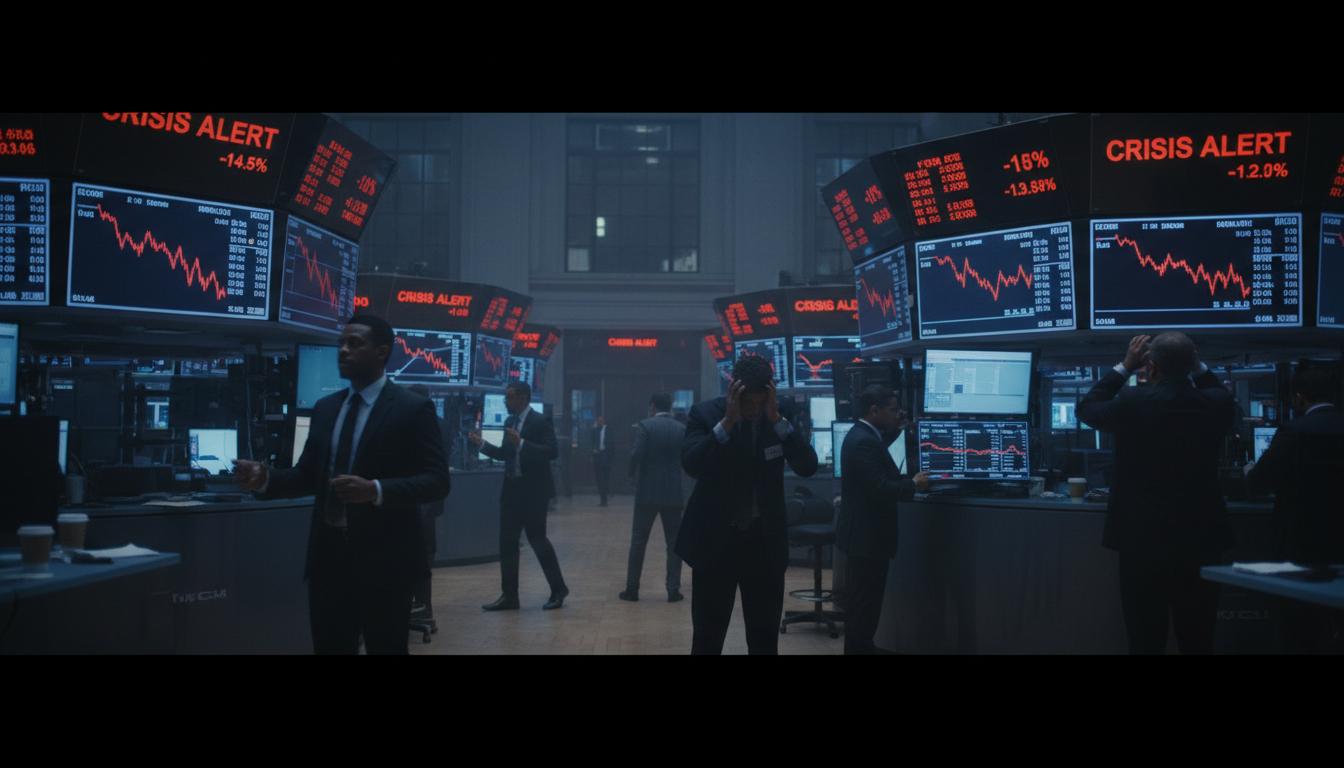
Figure 2: Stock markets around the world plunged as the crisis unfolded
The Lehman Brothers bankruptcy triggered a global panic. The firm’s collapse revealed that countless other financial institutions were exposed to the same risks. No one knew which banks might be next, so banks stopped lending to each other. Credit markets froze. Stock markets plunged. The Dow Jones Industrial Average fell 500 points on the day Lehman failed – its largest single-day drop since the September 11 attacks.
The day after Lehman’s collapse, the government was forced to rescue AIG, the world’s largest insurance company, with an $85 billion loan. AIG had sold hundreds of billions of dollars in credit default swaps – essentially insurance policies against bond defaults – and couldn’t pay out when mortgage-backed securities began failing.
By October 2008, the crisis had spread globally. Stock markets worldwide were in free fall. Major banks in Europe were failing or requiring government rescues. The global financial system was on the brink of total collapse.
Global Impact: How the Crisis Spread Worldwide
The 2008 financial crisis was truly global in scope. Because financial markets had become so interconnected, problems that started in the American housing market quickly spread to every corner of the world economy.
European banks had invested heavily in American mortgage-backed securities, so they suffered massive losses when those securities lost value. Countries like Iceland, Ireland, and Spain experienced their own housing bubbles and subsequent crashes. Iceland’s three largest banks all failed, and the country’s government collapsed. Ireland was forced to nationalize its banks and accept a bailout from the European Union and International Monetary Fund.
The crisis spread through multiple channels. First, there was direct exposure to American mortgage-backed securities. Banks around the world had bought these supposedly safe investments. Second, there was the freeze in global credit markets. Banks stopped lending to each other, making it impossible for businesses to get the loans they needed to operate. Third, there was a collapse in global trade as consumer demand plummeted.
The economic consequences were devastating. In the United States, 8.8 million jobs were lost. The unemployment rate doubled from 5% to 10%. Home prices fell by an average of 40% nationwide. The stock market lost more than half its value, wiping out trillions of dollars in retirement savings and investments.
The crisis hit developing countries too, though the impact varied. Countries that depended on exports to developed nations saw demand for their products collapse. Commodity prices fell sharply, hurting resource-exporting nations. However, some countries with less exposure to international financial markets, particularly in Africa, were somewhat shielded from the worst effects.
The human cost was immense. Millions of families lost their homes to foreclosure. Unemployment caused widespread hardship, with many people losing not just their jobs but also their health insurance and retirement savings. The psychological toll of financial insecurity affected millions more.
Government Response: Bailouts and Stimulus Packages
Faced with the prospect of total economic collapse, governments around the world took extraordinary measures to stabilize the financial system and stimulate their economies.
In the United States, the response came in several waves. First, the Federal Reserve cut interest rates to near zero and provided massive amounts of liquidity to banks through various lending programs. The Fed also began buying mortgage-backed securities and other assets to stabilize markets – a policy known as quantitative easing.
In October 2008, Congress passed the Emergency Economic Stabilization Act, which created the Troubled Asset Relief Program (TARP). This $700 billion program authorized the government to purchase toxic assets from banks and inject capital directly into financial institutions. While controversial, most economists believe TARP prevented a much worse collapse.
In February 2009, the newly elected Obama administration passed the American Recovery and Reinvestment Act, a $787 billion stimulus package that included tax cuts, aid to states, and increased government spending on infrastructure and other projects. The goal was to create jobs and boost consumer demand to counteract the recession.
Other countries took similar actions. The United Kingdom nationalized several major banks and implemented its own stimulus package. China launched a massive infrastructure spending program. European countries bailed out banks and, in some cases, entire nations like Greece, Ireland, and Portugal that were facing debt crises.
The total cost of these interventions was staggering. Governments around the world committed trillions of dollars to rescue their financial systems and economies. While these actions were necessary to prevent complete collapse, they also led to massive increases in government debt that would burden economies for years to come.
The Aftermath: Economic Recovery and Lasting Effects
The recovery from the 2008 financial crisis was slow and painful. In the United States, the recession officially ended in June 2009, but the effects lingered for years.
The labor market recovered particularly slowly. While the unemployment rate eventually returned to pre-crisis levels, it took nearly a decade to do so. Many workers who lost jobs during the recession were never able to find equivalent positions. Wage growth remained weak for years, and many people who found new jobs had to accept lower pay or fewer hours.
The housing market also took years to recover. Home prices didn’t return to their 2006 peaks until 2017 in many markets. Millions of families who bought homes during the bubble found themselves “underwater” – owing more on their mortgages than their homes were worth. This prevented them from moving for better job opportunities and trapped them in financial distress.
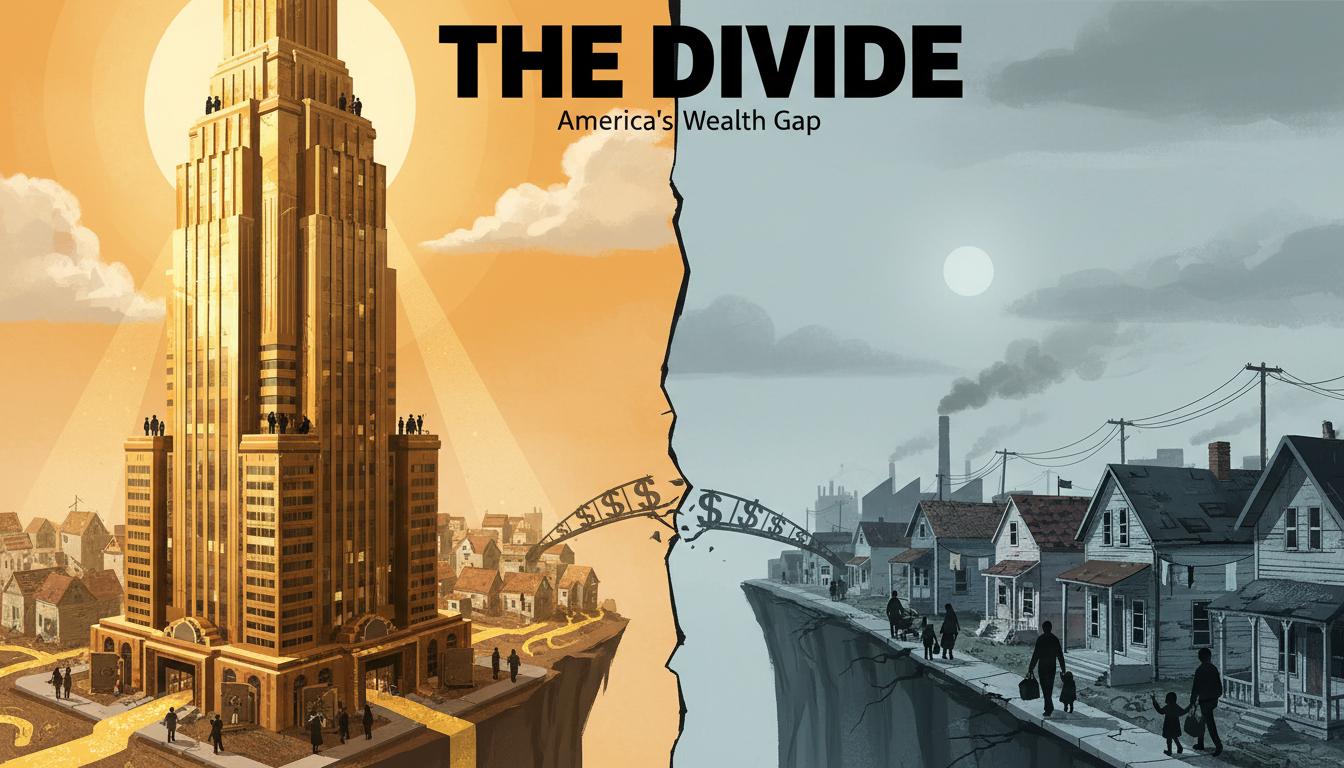
The stock market, however, recovered more quickly. By 2013, major indices had reached new highs, and the bull market that followed would become one of the longest in history. But this recovery benefited primarily those who owned stocks – mostly wealthier Americans – while many working-class families continued to struggle.
The crisis also had profound political consequences. The sense that the financial system had been rigged to benefit wealthy elites while ordinary people suffered fueled populist movements on both the left and right. The Occupy Wall Street movement emerged in 2011, protesting economic inequality and corporate influence in politics. In the following years, populist politicians gained support by channeling public anger at the financial establishment.
Perhaps most significantly, the crisis damaged public trust in financial institutions, government regulators, and economic experts. The people and institutions that were supposed to manage the economy and protect consumers had failed spectacularly. Rebuilding that trust would take years, if it could be rebuilt at all.
Lessons Learned: Regulatory Reforms and Prevention
The 2008 financial crisis led to significant changes in financial regulation, though whether these changes are sufficient to prevent future crises remains debated.
The most important reform in the United States was the Dodd-Frank Wall Street Reform and Consumer Protection Act, passed in 2010. This massive piece of legislation made numerous changes to financial regulation. It created the Consumer Financial Protection Bureau to protect consumers from predatory lending practices. It required banks to hold more capital as a buffer against losses. It brought the shadow banking system under greater regulatory oversight. And it gave regulators new tools to wind down failing financial institutions without causing systemic collapse.
The law also included the Volcker Rule, which prohibited banks from engaging in certain types of speculative trading with their own money. This was designed to prevent banks from taking excessive risks with deposits that were backed by government insurance.
Internationally, the Basel III accords established new global standards for bank capital and liquidity requirements. These rules were designed to make banks more resilient to financial shocks and reduce the risk of future crises.
However, many critics argue that these reforms don’t go far enough. Some believe that the largest banks are still “too big to fail” and would require government bailouts if they got into trouble again. Others point out that new risks may be building in less regulated parts of the financial system. And the political will for strong regulation has waxed and waned in the years since the crisis.
Key lessons from the crisis include the dangers of excessive leverage, the importance of regulating shadow banking activities, the need for better oversight of complex financial instruments, and the risks of allowing banks to become too big to fail. Whether these lessons will be remembered and applied when the next crisis threatens remains to be seen.
Understanding Our Financial System
The 2008 financial crisis was a watershed moment in economic history. It exposed the dangers of unchecked financial innovation, inadequate regulation, and the assumption that housing prices would always rise. It demonstrated how quickly problems in one part of the financial system can spread globally, and how devastating the consequences can be for ordinary people.
Understanding this crisis is essential for anyone who wants to understand modern economics and finance. The forces that created the crisis – easy credit, complex financial instruments, inadequate oversight, and human greed – are still present in our financial system. While regulations have been strengthened, the fundamental dynamics that can create financial bubbles and crises remain.
The crisis also taught us important lessons about the interconnectedness of the global economy. Problems that start in one country can quickly spread around the world. Financial markets are global, and so must be our approach to regulating them and responding to crises.
Perhaps the most important lesson is that markets are not self-regulating. Left to their own devices, financial markets can create enormous risks that threaten the entire economy. Effective regulation is necessary to protect consumers, maintain financial stability, and prevent the kinds of excesses that led to the 2008 crisis.
As we look to the future, we must remain vigilant. New forms of financial innovation, from cryptocurrencies to fintech lending, are creating new risks even as they offer new opportunities. The challenge for policymakers, regulators, and citizens is to harness the benefits of financial innovation while preventing the kinds of excesses that can lead to crisis.
The 2008 financial crisis was a painful but necessary reminder of the importance of financial stability. By understanding what went wrong, we can work to build a financial system that serves the real economy and supports prosperity for all, rather than enriching a few at the expense of many. The lessons of 2008 remain relevant today, and they will continue to shape economic policy and financial regulation for generations to come.