Let’s be honest. Car insurance is one of those things we all have to buy, but very few of us truly understand. We pay our premiums every month, hope we never have to use it, and when something goes wrong, we cross our fingers that our insurance company will come through for us. But here’s the truth: car insurance is a business, and like any business, insurance companies are designed to make money. That doesn’t mean they’re evil or out to get you, but it does mean you need to understand how the system works if you want to protect yourself and your wallet.
Every year, American drivers spend billions of dollars on auto insurance. The average driver pays around $2,000 annually for car insurance, though this varies dramatically depending on where you live, what you drive, and your personal circumstances. Yet despite all this money changing hands, most people couldn’t tell you what their policy actually covers, what their deductible means, or why their rates keep going up. This knowledge gap costs consumers millions of dollars every year in unnecessary premiums, denied claims, and inadequate coverage.
This article is designed to change that. We’re going to pull back the curtain on the car insurance industry and show you exactly how it works. We’ll debunk common myths that cost you money, explain the different types of coverage in plain English, reveal the hidden factors that affect your premiums, and give you proven strategies to save money on car insurance without sacrificing protection. By the time you finish reading, you’ll have the knowledge you need to make informed decisions about your coverage and ensure you’re not paying a penny more than you should.

Understanding your car insurance policy is the first step to protecting your family and your finances.
Common Car Insurance Myths Debunked
Before we dive into how car insurance really works, let’s clear up some of the most persistent myths that cost drivers money every day. These misconceptions are so widespread that even smart, educated people believe them, and they can lead to poor decisions that leave you underinsured or overpaying.
Red Cars Cost More to Insure
This is perhaps the most persistent myth in car insurance, and it’s completely false. The color of your car has absolutely zero impact on your insurance premiums. Insurance companies don’t even ask about color when calculating your rates. What does matter is the make, model, year, engine size, safety features, repair costs, and theft rates of your vehicle. A red Honda Civic costs exactly the same to insure as a blue one, a white one, or a green one. So go ahead and buy that red car if you want it. Your insurance company won’t care.
Full Coverage Means You’re Covered for Everything
The term “full coverage” is incredibly misleading. In the insurance industry, it typically means you have liability coverage plus collision and comprehensive coverage. But here’s what it doesn’t include: rental car reimbursement, roadside assistance, gap insurance, custom equipment coverage, and many other optional protections. Even within the standard coverages, there are limits, deductibles, and exclusions. Your policy has maximum payout limits, and if damages exceed those limits, you’re personally responsible for the difference. Full coverage is not a magic shield that protects you from every possible financial loss.
Your Insurance Will Always Cover a Rental Car After an Accident
Rental car reimbursement is an optional add-on that you have to specifically purchase. It’s not automatically included in your policy. If you don’t have this coverage and your car is in the shop for repairs after an accident, you’ll be paying for that rental car out of your own pocket. Given that repairs can take days or even weeks, those costs add up quickly. This is one of those coverages that’s often worth the relatively small additional premium, especially if you depend on your car for work.
If Your Car Is Totaled, Insurance Pays Off Your Loan
This myth can be financially devastating. When your car is totaled, your insurance company pays the actual cash value of the vehicle at the time of the loss, not what you owe on your loan. Because cars depreciate rapidly, especially new ones, you could easily owe thousands more than your car is worth. This is where gap insurance comes in. It covers the difference between what you owe and what your car is worth. If you’re leasing or financing a new vehicle, gap insurance is essential protection that could save you from a financial nightmare.
Older Drivers Always Pay More
Actually, the opposite is often true. While very elderly drivers may see rate increases due to increased risk, drivers in their 50s and 60s typically enjoy some of the lowest insurance rates. They have decades of driving experience, are statistically less likely to take risks, and often drive fewer miles. Many insurance companies offer senior discounts, and completing a defensive driving course can lead to even greater savings. If you’re an older driver, don’t assume your age is working against you.
How Car Insurance Really Works
Now that we’ve cleared up some myths, let’s talk about how car insurance actually works. Understanding the mechanics of insurance can help you make better decisions about your coverage and save you money.
The Basic Business Model
At its core, insurance is a risk-pooling system. Everyone pays premiums into a pool, and when someone has a covered loss, money from that pool pays for the damages. Insurance companies employ actuaries who use complex statistical models to predict how much they’ll need to pay out in claims. They set their premiums high enough to cover those predicted claims, pay for their operating expenses, and generate a profit. This is why your premiums might increase after you file a claim. You’ve demonstrated that you’re a higher risk than the average driver, so the insurance company needs to collect more money from you to maintain the pool’s balance.
How Premiums Are Calculated
Your insurance premium is determined by a complex formula that weighs dozens of factors. Some of these factors are obvious: your driving record, the type of car you drive, and where you live. Others are less obvious: your credit score, your education level, your occupation, and even your marital status can affect your rates. Insurance companies have found statistical correlations between these factors and the likelihood of filing claims. While some of these correlations are controversial, they’re legal in most states and widely used in the industry.
Your driving record is one of the most significant factors. A single speeding ticket might increase your rates by 10-15%. A DUI could double or even triple your premiums. At-fault accidents stay on your record for three to five years and can significantly impact what you pay. But here’s something many people don’t know: even not-at-fault accidents can affect your rates in some states. Insurance companies have found that drivers who file claims, even when they’re not at fault, are statistically more likely to file future claims.
The Claims Process
When you file a claim, your insurance company assigns an adjuster to investigate. The adjuster’s job is to determine what happened, who’s at fault, and how much the company should pay. This process can take anywhere from a few days to several weeks, depending on the complexity of the claim. The adjuster will review police reports, interview witnesses, inspect vehicle damage, and may even review your medical records if there are injury claims. Once the investigation is complete, the insurance company will make a settlement offer. You don’t have to accept the first offer. If you believe it’s too low, you can negotiate or even hire a public adjuster or attorney to advocate on your behalf.
Understanding Different Types of Coverage
Car insurance isn’t one-size-fits-all. There are multiple types of coverage, each designed to protect you in different situations. Understanding what each type covers is essential for building a policy that meets your needs.
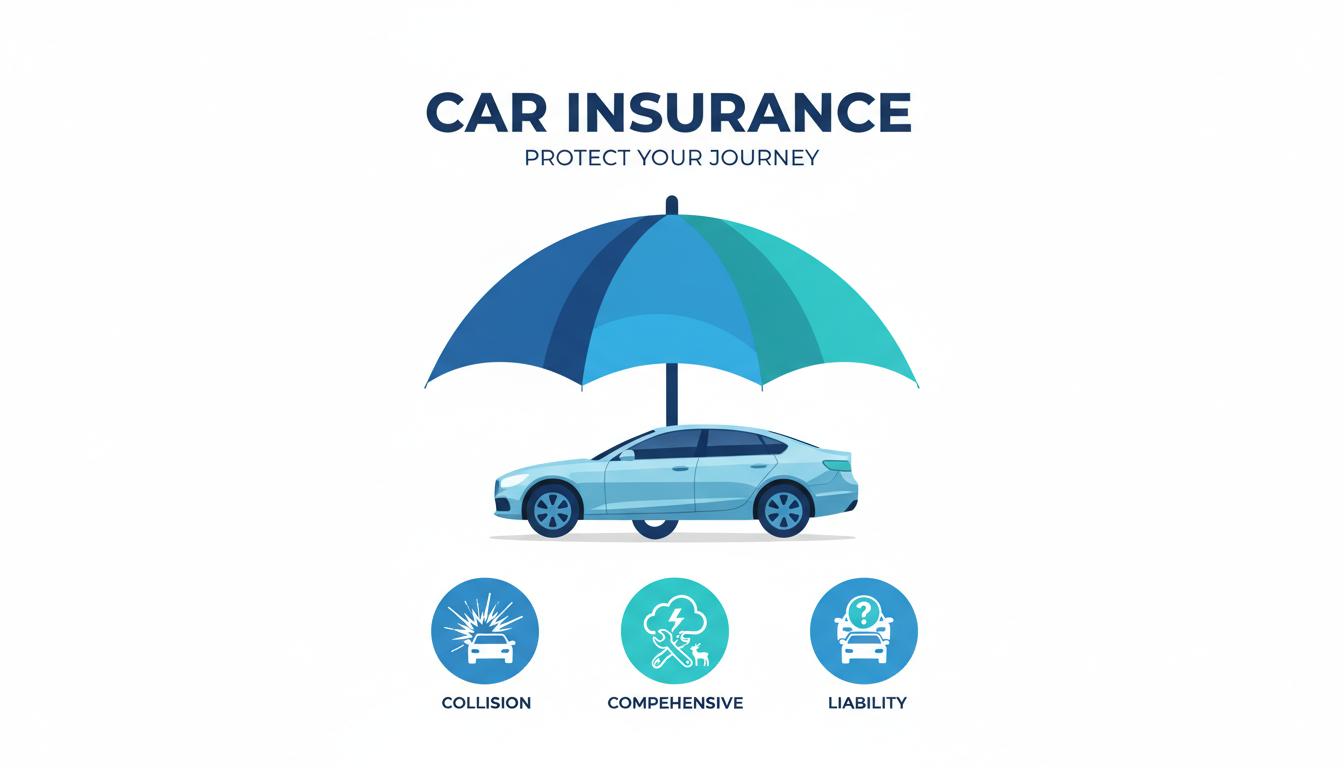
Understanding the different types of coverage helps you build a policy that truly protects you.
Liability Coverage
Liability coverage is required in almost every state, and for good reason. It protects you financially if you cause an accident that injures someone else or damages their property. Bodily injury liability covers medical expenses, lost wages, and legal fees if you’re sued. Property damage liability covers repairs to the other person’s vehicle or other property you damage. Most states have minimum required limits, but these minimums are often woefully inadequate. A serious accident can easily result in damages that exceed state minimums, leaving you personally responsible for the difference. Most insurance experts recommend carrying at least $100,000 per person and $300,000 per accident in bodily injury liability, plus $100,000 in property damage liability.
Collision Coverage
Collision coverage pays for damage to your own vehicle resulting from a collision with another vehicle or object, regardless of who’s at fault. If you hit a tree, slide on ice into a guardrail, or are involved in a multi-car pileup, collision coverage pays for your repairs minus your deductible. If your car is financed or leased, your lender will require collision coverage. If you own your car outright, collision coverage is optional, but it’s usually worth keeping unless your car is very old and not worth much.
Comprehensive Coverage
Comprehensive coverage protects against damage from things other than collisions. This includes theft, vandalism, fire, flood, hail, falling objects, hitting an animal, and even damage from riots or civil commotion. Like collision, comprehensive coverage is optional if you own your car outright but required by lenders. It also comes with a deductible. One nice feature of comprehensive coverage is that windshield repairs are often covered with no deductible or a reduced deductible, depending on your state and policy.
Uninsured and Underinsured Motorist Coverage
Despite laws requiring insurance, millions of drivers hit the road without coverage. Uninsured motorist coverage protects you if you’re hit by one of these drivers. It can cover your medical expenses, lost wages, and pain and suffering. Underinsured motorist coverage kicks in when the at-fault driver has insurance, but not enough to cover all your damages. Given the high number of uninsured drivers and the low minimum coverage requirements in many states, this coverage is essential protection that everyone should consider.
Personal Injury Protection and Medical Payments
Personal Injury Protection, or PIP, is required in some states and optional in others. It’s a no-fault coverage that pays for your medical expenses and lost wages after an accident, regardless of who caused it. PIP can also cover expenses like childcare while you’re recovering or house cleaning services if you’re unable to perform these tasks yourself. Medical Payments coverage, or MedPay, is similar but more limited. It only covers medical expenses for you and your passengers, not lost wages or other expenses. Both coverages can be valuable, especially if you don’t have health insurance or have a high-deductible health plan.
The Hidden Factors That Affect Your Premiums
Most people know that their driving record and the car they drive affect their insurance rates. But there are many other factors at play, some of which might surprise you. Understanding these hidden factors can help you take steps to lower your premiums.
Your Credit Score
In most states, your credit score significantly impacts your car insurance rates. Insurance companies have found that people with lower credit scores are more likely to file claims, so they charge these drivers higher premiums. The difference can be substantial. A driver with poor credit might pay twice as much as an identical driver with excellent credit. This practice is controversial and banned in some states, including California, Hawaii, and Massachusetts. But in most of the country, maintaining good credit is one of the most effective ways to keep your insurance costs down.
Your ZIP Code
Where you live has a major impact on your rates. Urban areas typically have higher rates than rural areas due to increased traffic, higher crime rates, and more frequent claims. Even within the same city, rates can vary dramatically from one ZIP code to another. If you live in an area with high auto theft rates or frequent accidents, you’ll pay more. This is one factor that’s largely out of your control, though if you’re planning a move, it’s worth checking how your insurance rates might change.
Your Annual Mileage
The more you drive, the more likely you are to be in an accident. Insurance companies know this and charge accordingly. If you’ve started working from home or retired and are driving significantly less than you used to, let your insurance company know. You might qualify for a low-mileage discount that could save you 10% or more on your premiums. Some companies even offer usage-based insurance programs that track your actual mileage and driving habits, potentially offering significant savings for safe, low-mileage drivers.
Your Insurance History
Insurance companies don’t just look at your driving history. They also consider your insurance history. If you’ve had gaps in coverage, even for short periods, you might be charged higher rates. Insurance companies view continuous coverage as a sign of responsibility. Similarly, if you’ve frequently switched insurance companies, this might be viewed negatively. On the flip side, loyalty to one company can sometimes result in discounts, though it’s still worth shopping around periodically to make sure you’re getting the best deal.
Common Mistakes That Cost You Money
Even savvy consumers make mistakes when it comes to car insurance. Here are some of the most common and costly errors, along with how to avoid them.
Buying Only the Minimum Required Coverage
State minimum liability limits are designed to provide basic protection, but they’re often inadequate for real-world accidents. Medical costs and vehicle repair costs have risen dramatically over the years, but many state minimums haven’t kept pace. If you cause a serious accident with injuries, the damages could easily exceed minimum limits by hundreds of thousands of dollars. When that happens, your personal assets are at risk. You could be sued and forced to pay out of pocket for damages your insurance doesn’t cover. For most people, carrying higher liability limits is well worth the relatively small additional cost.
Setting Your Deductible Too Low
A low deductible might seem like a good idea because you’ll pay less out of pocket if you have a claim. But low deductibles come with high premiums. If you’re a safe driver with a clean record, you might go years without filing a claim. During that time, the extra money you’re paying for a low deductible adds up to much more than you would have paid with a higher deductible. Consider raising your deductible to $500 or even $1,000 and putting the money you save on premiums into an emergency fund. Just make sure you have enough savings to cover the deductible if you do need to file a claim.
Not Shopping Around
Insurance rates vary dramatically from company to company. The exact same driver with the exact same coverage could get quotes that differ by hundreds or even thousands of dollars. Yet many people simply renew with their current company year after year without checking what else is available. Experts recommend getting quotes from at least three different companies every year or two. It’s easy to do online, and the savings can be substantial. Just make sure you’re comparing apples to apples by getting quotes for the same coverage levels from each company.
Missing Out on Discounts
Insurance companies offer dozens of discounts, but they don’t always advertise them prominently. You might qualify for discounts for being a good student, having a safe driving record, completing a defensive driving course, being a member of certain organizations, having safety features on your car, or even for paying your premium in full rather than monthly. Ask your insurance company for a complete list of available discounts and make sure you’re getting every one you qualify for.
Proven Strategies to Save Money on Car Insurance
Now for the good news. There are many legitimate ways to reduce your car insurance premiums without sacrificing the protection you need. Here are the most effective strategies.
Bundle Your Policies
Most insurance companies offer significant discounts if you buy multiple policies from them. Bundling your auto and homeowners or renters insurance can save you 10-25% on both policies. The discount is usually larger for the auto policy than the home policy, but the savings on both can add up to hundreds of dollars per year. Just make sure the bundled price is actually better than buying separate policies from different companies. Bundling is convenient, but it shouldn’t cost you more.
Maintain a Clean Driving Record
This is the single most important thing you can do to keep your insurance costs down. A clean driving record over several years can qualify you for safe driver discounts that significantly reduce your premiums. Avoid speeding tickets, accidents, and especially DUI convictions. If you do get a ticket, consider taking a defensive driving course. In many states, completing an approved course can keep the ticket off your record and prevent your rates from increasing.
Choose Your Car Wisely
Before you buy a new car, get insurance quotes for the models you’re considering. Insurance costs can vary dramatically between seemingly similar vehicles. Sports cars, luxury vehicles, and cars with high theft rates cost more to insure. Cars with excellent safety ratings, good crash test scores, and low repair costs are cheaper to insure. If you’re trying to keep insurance costs down, look for vehicles with features like anti-lock brakes, airbags, anti-theft systems, and backup cameras.
Improve Your Credit Score
Since your credit score affects your insurance rates in most states, improving your credit can lead to significant savings. Pay your bills on time, reduce your credit card balances, and avoid opening unnecessary new credit accounts. Over time, these habits will improve your credit score and could lead to lower insurance premiums. It’s a win-win since good credit helps with many other aspects of your financial life as well.
Ask About Usage-Based Insurance
Many insurance companies now offer usage-based insurance programs that use telematics devices or smartphone apps to track your driving habits. These programs monitor things like how fast you drive, how hard you brake, what time of day you’re on the road, and how many miles you drive. Safe drivers can earn discounts of 10-30% or more. If you’re confident in your driving skills and don’t mind having your driving monitored, these programs can lead to substantial savings.
Review Your Coverage Annually
Your insurance needs change over time, and your policy should change with them. Review your coverage at least once a year and whenever you experience a major life change like getting married, moving, buying a new car, or paying off a loan. As your car gets older, you might consider dropping collision and comprehensive coverage if the premiums exceed what you would receive in a total loss payout. As your financial situation improves, you might want to increase your liability limits to protect your growing assets.
Taking Control of Your Coverage
Car insurance doesn’t have to be a mystery. By understanding how the industry works, debunking common myths, knowing what coverage you actually need, and taking advantage of available discounts, you can ensure you’re properly protected without overpaying. The key is to be an informed consumer. Don’t just accept what your insurance company tells you at face value. Ask questions, shop around, and make sure you understand exactly what you’re buying.
Remember that the cheapest policy isn’t always the best policy. You want adequate protection at a fair price. That means carrying liability limits high enough to protect your assets, adding collision and comprehensive coverage if your car is valuable, and considering extras like uninsured motorist coverage and gap insurance when appropriate. It also means choosing a reputable insurance company that will be there for you when you need to file a claim.
The strategies in this article can help you save hundreds or even thousands of dollars on your car insurance over time. But perhaps more importantly, they can help you achieve peace of mind knowing that you and your family are properly protected. Because at the end of the day, that’s what insurance is really about. It’s not just a legal requirement or another bill to pay. It’s a financial safety net that protects everything you’ve worked hard to build. Take the time to understand it, manage it wisely, and you’ll be better prepared for whatever the road ahead may bring.