A Complete Guide to Understanding Credit Scores, Reports, and Financial Health.
The American credit system is a comprehensive framework that monitors and evaluates the financial behavior of citizens. This system serves as a critical tool for banks, credit card companies, landlords, employers, and various businesses to determine how trustworthy you are when it comes to borrowing money and paying it back. In this comprehensive guide, we will explain everything you need to know about how this system works in simple, easy-to-understand terms.
The credit system in America began taking shape in the 1950s when the first credit bureaus were established. Today, it has become an integral part of the American economic infrastructure, affecting virtually every aspect of financial life. Your credit score impacts your ability to buy a home, rent an apartment, get a car loan, secure employment, and even determine the interest rates you pay on credit cards and loans. Understanding how this system works is essential for anyone living in the United States.
The credit system operates on a simple principle: it tracks your borrowing and repayment history to predict how likely you are to repay future debts. Lenders use this information to make decisions about whether to extend credit to you and at what terms. A good credit history can save you thousands of dollars over your lifetime through lower interest rates and better loan terms, while a poor credit history can make it difficult and expensive to borrow money.
What is a Credit Score?
A credit score is a three-digit number that ranges from 300 to 850, designed to represent your creditworthiness. This number tells lenders how risky it might be to lend you money. The higher your score, the more trustworthy you appear to lenders, and the better terms you are likely to receive on loans and credit cards. Think of it as a financial report card that follows you throughout your life.
Credit scores are calculated using complex mathematical algorithms that analyze the information in your credit report. While the exact formulas are proprietary secrets held by credit scoring companies, we know the general factors that influence your score. Understanding these factors can help you make better financial decisions and improve your credit standing over time.
Credit Score Ranges and What They Mean:
| Score Range | Category | What It Means |
|---|---|---|
| 300-579 | Poor | High risk borrower |
| 580-669 | Fair | Below average |
| 670-739 | Good | Average borrower |
| 740-799 | Very Good | Above average |
| 800-850 | Excellent | Best rates available |
In the United States, there are three major credit bureaus that collect and maintain credit information: Equifax, Experian, and TransUnion. Each of these bureaus maintains its own credit report on you and may calculate slightly different credit scores based on the information they have. This is why your credit score might vary slightly depending on which bureau’s report is being used.
The most commonly used credit scoring model is the FICO Score, created by the Fair Isaac Corporation. Over 90% of top lenders use FICO Scores when making lending decisions. Another popular model is VantageScore, which was developed jointly by the three major credit bureaus as an alternative scoring system.
How is Your Credit Score Calculated?
Your credit score is calculated based on five main factors, each carrying a different weight in the final score. Understanding these factors can help you make informed decisions about managing your credit and improving your score over time.
A. Payment History (35%)
This is the most important factor in determining your credit score. Your payment history shows whether you have paid your bills on time and if you have any missed or late payments. Even one late payment can significantly impact your score, especially if it is more than 30 days overdue. Late payments are typically reported to credit bureaus once they are 30 days past due, and they can remain on your credit report for up to seven years.
To maintain a good payment history, always pay at least the minimum amount due on all your accounts by the due date. Setting up automatic payments or payment reminders can help ensure you never miss a payment. If you do miss a payment, contact your creditor immediately to discuss your options and potentially avoid having it reported.
B. Credit Utilization (30%)
Credit utilization refers to how much of your available credit you are currently using. It is calculated by dividing your total credit card balances by your total credit limits. For example, if you have a credit card with a $10,000 limit and you owe $3,000, your credit utilization ratio is 30%. Financial experts generally recommend keeping your utilization below 30%, and ideally below 10% for the best credit scores.
High credit utilization can signal to lenders that you are over-reliant on credit and may be at risk of defaulting on your debts. To improve this factor, try to pay down your credit card balances and avoid maxing out your cards. You can also request credit limit increases on your existing cards, which will lower your utilization ratio without requiring you to pay down debt.
C. Length of Credit History (15%)
The length of your credit history considers how long your credit accounts have been open, including the age of your oldest account, your newest account, and the average age of all your accounts. Generally, a longer credit history is better because it gives lenders more information about your borrowing behavior over time. This can be a challenge for young people or recent immigrants who are just starting to build credit.
To maximize this factor, avoid closing old credit card accounts, even if you do not use them regularly. The age of your accounts contributes to your credit history length, and closing old accounts can shorten your average account age. However, if an old card has an annual fee and you are not using it, you may need to weigh the cost against the potential impact on your credit score.
D. Credit Mix (10%)
Credit mix refers to the variety of credit accounts you have, including credit cards, retail accounts, installment loans, auto loans, mortgage loans, and student loans. Having a diverse mix of credit types can positively impact your score because it shows lenders that you can manage different types of credit responsibly. However, this does not mean you should open accounts you do not need just to diversify.
A healthy credit mix might include a credit card or two, an auto loan, and perhaps a mortgage or student loan. While credit mix is only 10% of your score, it can be the difference between a good score and an excellent score for some people. Focus on managing the accounts you have responsibly rather than trying to create an artificial mix.
E. New Credit Inquiries (10%)
When you apply for new credit, lenders typically perform a hard inquiry on your credit report, which can temporarily lower your score. Multiple hard inquiries in a short period can signal to lenders that you are taking on too much debt or experiencing financial difficulties. However, credit scoring models are designed to recognize when you are rate shopping for a mortgage, auto loan, or student loan, and will typically count multiple inquiries for the same type of loan within a short period as a single inquiry.
To minimize the impact of new credit inquiries, only apply for credit when you truly need it. If you are shopping for a loan, try to complete all your applications within a two-week window to minimize the impact on your score. Soft inquiries, such as when you check your own credit or when lenders pre-approve you for offers, do not affect your score.
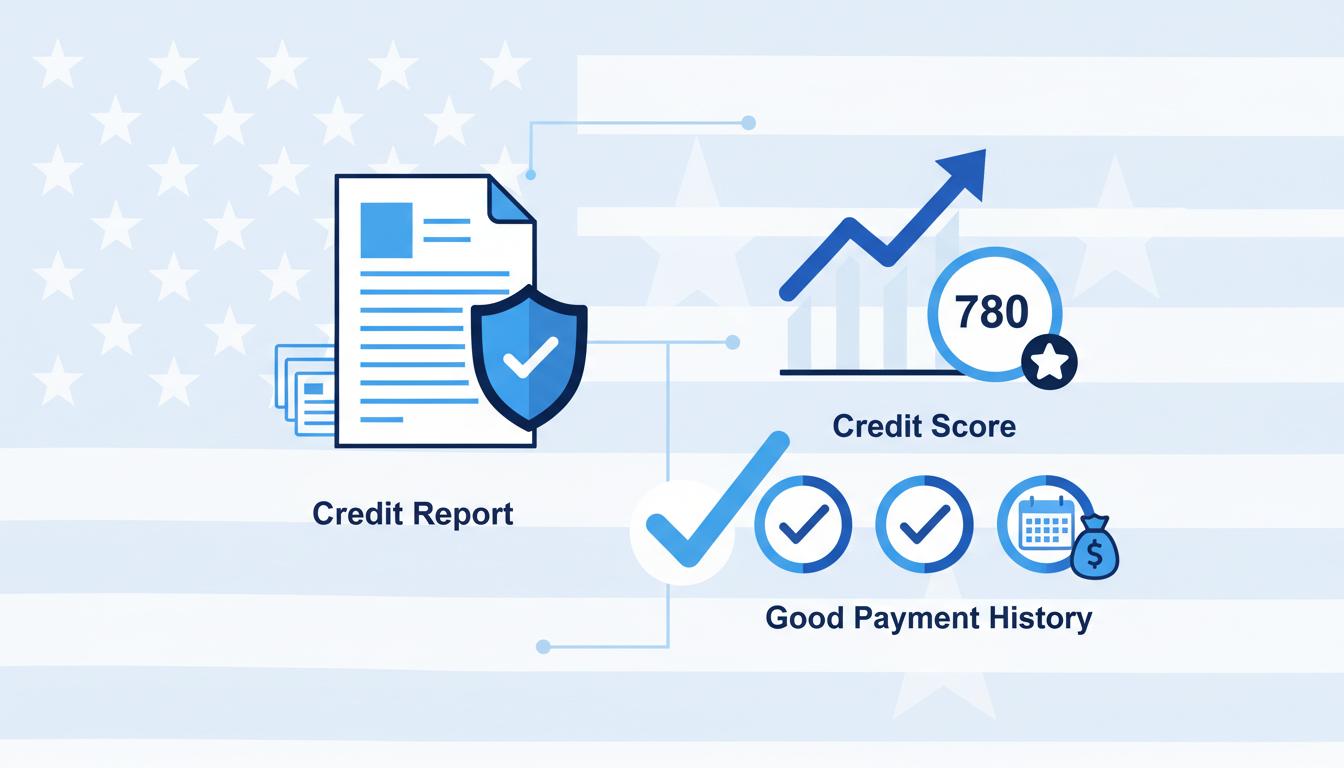
Figure 2: Credit Report Components
What is a Credit Report?
A credit report is a detailed record of your credit history compiled by credit bureaus. It contains information about your credit accounts, payment history, outstanding debts, and other financial information that lenders use to evaluate your creditworthiness. Your credit report is the foundation upon which your credit score is calculated.
What Information is Included in a Credit Report:
• Personal Information: Your name, address, Social Security number, date of birth, and employment information
• Credit Accounts: All your credit cards, mortgages, auto loans, student loans, and other lines of credit
• Payment History: Your record of on-time and late payments for the past 7-10 years
• Credit Inquiries: A list of who has accessed your credit report and when
• Public Records: Bankruptcies, foreclosures, tax liens, and civil judgments
• Collections: Accounts that have been sent to collection agencies
Under federal law, you are entitled to one free credit report from each of the three major credit bureaus every 12 months. You can request these reports through AnnualCreditReport.com, the only authorized website for free credit reports. Reviewing your credit reports regularly is essential for catching errors, detecting identity theft, and understanding your financial standing.
If you find errors on your credit report, you have the right to dispute them with the credit bureau. The bureau must investigate your dispute and correct any information that is found to be inaccurate. This process can take up to 30 days, but correcting errors can significantly improve your credit score.
How to Build and Maintain a Good Credit Score
Building and maintaining a good credit score requires consistent financial discipline and smart credit management. Here are proven strategies to help you achieve and maintain an excellent credit score:
Pay Your Bills on Time, Every Time
Since payment history is the most significant factor in your credit score, making on-time payments should be your top priority. Set up automatic payments or calendar reminders to ensure you never miss a due date. If you are struggling to make payments, contact your creditors immediately to discuss hardship options before you miss a payment.
Keep Credit Card Balances Low
Aim to keep your credit utilization ratio below 30%, and ideally below 10%. If you have high balances, create a plan to pay them down as quickly as possible. Consider making multiple payments throughout the month to keep your reported balances low. Even if you pay your balance in full each month, high utilization at any point can hurt your score.
Monitor Your Credit Reports Regularly
Check your credit reports from all three bureaus at least once a year to catch errors and identify potential fraud. Many credit card companies now offer free credit score monitoring as a cardholder benefit. Take advantage of these services to track your progress and spot any unusual activity.
Be Strategic About Opening New Accounts
Only apply for new credit when you genuinely need it. Each hard inquiry can temporarily lower your score, and opening several new accounts in a short period can signal financial distress to lenders. When shopping for loans, complete all applications within a short timeframe to minimize the impact on your score.
Keep Old Accounts Open
The length of your credit history matters, so keep your oldest credit card accounts open even if you do not use them regularly. Closing old accounts can shorten your credit history and reduce your available credit, both of which can hurt your score. If a card has an annual fee, consider downgrading to a no-fee version rather than closing it completely.
How Your Credit Score Impacts Your Life
Your credit score affects many aspects of your financial life, often in ways you might not expect. A good credit score can save you thousands of dollars and open doors to opportunities, while a poor score can make life significantly more expensive and challenging.
• Loan Interest Rates: Borrowers with excellent credit receive the lowest interest rates on mortgages, auto loans, and personal loans
• Credit Card Terms: Higher scores qualify for cards with better rewards, lower rates, and higher limits
• Housing: Landlords check credit scores when evaluating rental applications, and utility companies may require deposits from those with poor credit
• Employment: Some employers check credit reports as part of the hiring process, particularly for positions involving financial responsibility
• Insurance Premiums: Many insurers use credit-based insurance scores to set rates for auto and home insurance
• Security Deposits: Poor credit may require larger deposits for apartments, utilities, and cell phone contracts
Over a lifetime, the difference between good and poor credit can amount to tens of thousands of dollars in extra interest payments. For example, on a $300,000 30-year mortgage, the difference between a 3% interest rate (excellent credit) and a 5% rate (fair credit) is approximately $125,000 in additional interest over the life of the loan.
Tips for Building Credit from Scratch
If you are new to credit or have no credit history, building credit can seem like a catch-22: you need credit to build credit, but you cannot get credit without a history. Here are strategies to help you establish credit:
Start with a Secured Credit Card
A secured credit card requires a cash deposit that serves as your credit limit. These cards are designed for people with no credit or poor credit. Use the card for small purchases and pay the balance in full each month. Over time, this positive payment history will help you build credit and qualify for unsecured cards.
Become an Authorized User
Ask a family member with good credit to add you as an authorized user on their credit card account. Their positive payment history will appear on your credit report, helping you build credit without being responsible for payments. Make sure the primary cardholder has excellent credit and pays on time, as their negative activity will also affect your report.
Consider a Credit-Builder Loan
Credit-builder loans are specifically designed to help people build credit. With these loans, the lender holds the loan amount in a savings account while you make monthly payments. Once the loan is paid off, you receive the money. Your payments are reported to credit bureaus, building your credit history.
Use a Co-Signer
If you need a loan but have no credit history, consider asking someone with good credit to co-sign. A co-signer agrees to be responsible for the debt if you fail to pay, reducing the lender’s risk. Make all payments on time, as missed payments will damage both your credit and your co-signer’s credit.
Common Credit Mistakes to Avoid
Many people make mistakes that damage their credit scores without realizing it. Here are common pitfalls to avoid:
Mistake 1: Making Late Payments
Even one late payment can significantly impact your credit score. Set up automatic payments or reminders to ensure you never miss a due date. If you do miss a payment, contact your creditor immediately. Some creditors may waive late fees or agree not to report the late payment if you have a good history.
Mistake 2: Maxing Out Credit Cards
High credit utilization can seriously hurt your score, even if you pay your balance in full each month. Try to keep your balances below 30% of your credit limits, and spread spending across multiple cards if necessary. Consider making multiple payments per month to keep your reported balances low.
Mistake 3: Closing Old Accounts
Closing old credit card accounts can shorten your credit history and reduce your available credit, both of which can lower your score. Keep old accounts open, especially if they have no annual fee. If you must close an account, close newer ones rather than your oldest cards.
Mistake 4: Applying for Too Much Credit
Each credit application generates a hard inquiry that can temporarily lower your score. Multiple inquiries in a short period can signal financial distress. Only apply for credit when you genuinely need it, and try to complete rate shopping within a focused timeframe.
Mistake 5: Ignoring Your Credit Report
Errors on credit reports are common and can significantly impact your score. Review your reports regularly and dispute any inaccuracies immediately. Monitoring your credit also helps you catch signs of identity theft early.
Conclusion
The American credit system is a powerful financial tool that can either work for you or against you, depending on how you manage it. Understanding how credit scores are calculated, what information appears on your credit report, and how your credit affects your life empowers you to make informed financial decisions.
Building and maintaining good credit is a marathon, not a sprint. It requires consistent, responsible financial behavior over time. Pay your bills on time, keep your credit utilization low, monitor your credit reports regularly, and be strategic about opening new accounts. By following these principles, you can build a strong credit profile that will serve you well throughout your life.
Remember, even if you have made mistakes in the past, it is never too late to improve your credit. Negative information eventually falls off your credit report, and positive behaviors will gradually improve your score. Start today by checking your credit reports, creating a plan to pay down debt, and establishing good financial habits. Your future self will thank you for the financial freedom and opportunities that good credit provides.