Life does not always go according to plan. The car breaks down on the way to work. A child wakes up with a fever that requires an urgent doctor’s visit. The rent is due three days before payday, and the landlord is not interested in excuses. For millions of Americans living paycheck to paycheck, these everyday emergencies are not just inconvenient. They are potential financial catastrophes.
In these desperate moments, a solution appears deceptively simple. A storefront on the corner, a website promising instant approval, a friendly voice on the phone offering quick cash with no credit check required. “Get the money you need today,” the advertisements proclaim. “Pay it back when you get paid.” It sounds reasonable, even helpful. But for most who enter this world of payday lending, the reality is far darker than the promise.
Payday loans have been called many things: quick cash, cash advances, deferred deposit loans. But critics have another name for them: debt traps. These small, short-term loans, typically ranging from $100 to $500, come with fees that translate to annual percentage rates of 391% or higher. To put that in perspective, the average credit card APR is around 21%. Even subprime credit cards rarely exceed 36%. Yet payday lenders routinely charge rates that would be illegal if applied to almost any other type of loan.
This article explores the payday loan industry from every angle: how it works, who it targets, why people fall into its trap, and most importantly, how they can escape. We will examine the mathematics that make these loans so profitable for lenders and so devastating for borrowers. We will look at the regulatory landscape, the arguments for and against stricter controls, and the alternatives that exist for those in financial distress. By the end, you will understand not just why payday loans are dangerous, but what can be done to protect the most vulnerable among us from their predatory grasp.
How Payday Loans Work
To understand the payday loan trap, one must first understand the mechanics of how these loans operate. At their core, payday loans are designed to be simple, fast, and accessible. This accessibility is precisely what makes them so dangerous.
The Application Process
Getting a payday loan is remarkably easy. Unlike traditional bank loans that require extensive credit checks, proof of income verification, collateral, and days or weeks of waiting, payday lenders ask for very little. Typically, a borrower needs only three things: a government-issued ID, a recent pay stub or proof of regular income, and an active bank account. Some lenders do not even verify employment, relying instead on bank statements to confirm regular deposits.
The process can take as little as fifteen minutes. Walk into a storefront, fill out a one-page form, and walk out with cash in hand. Online lenders make it even easier. Fill out a digital application, provide your bank account information, and money appears in your account within hours, sometimes minutes. No questions about why you need the money. No judgment about your credit history. Just quick cash when you need it most.
This ease of access is intentional. Payday lenders target people who are financially desperate, who need money immediately, and who have few other options. Traditional banks have largely abandoned these customers, viewing them as too risky. Credit cards are often unavailable to those with poor credit histories. Family and friends may not have money to lend. In this vacuum, payday lenders position themselves as the only solution.
The Terms and Conditions
A typical payday loan works like this: You borrow $350, the median loan amount according to the Consumer Financial Protection Bureau. The lender charges a fee of $15 for every $100 borrowed, which is standard in the industry. This means you owe $402.50 when the loan comes due, typically in two weeks on your next payday.
You have two options for repayment. You can write a post-dated check for the full amount, which the lender will cash on the due date. Or you can authorize an electronic withdrawal from your bank account. Either way, the lender gets their money directly from your next paycheck.
Here is where the math becomes important. That $52.50 fee on a $350 loan might not sound excessive at first glance. It is only 15% of the amount borrowed, after all. But remember, this is for a two-week loan. To understand the true cost, you need to calculate the Annual Percentage Rate, or APR.
The APR calculation reveals the shocking reality. If you pay $52.50 to borrow $350 for two weeks, that is equivalent to an APR of 391%. If the fee is $20 per $100 borrowed, which is common in some states, the APR jumps to 521%. In states with no rate caps, APRs can reach 600%, 700%, even over 1,000% for online loans.
To put this in perspective, consider what you would pay to borrow the same $350 for two weeks using other forms of credit. A credit card cash advance might cost you $10 to $15 in fees plus interest at around 30% APR, totaling perhaps $20 to $25. A personal loan from a credit union might charge 10% to 18% APR, costing less than $5 for the same period. Even borrowing from a friend and offering to buy them dinner would be cheaper than a payday loan.
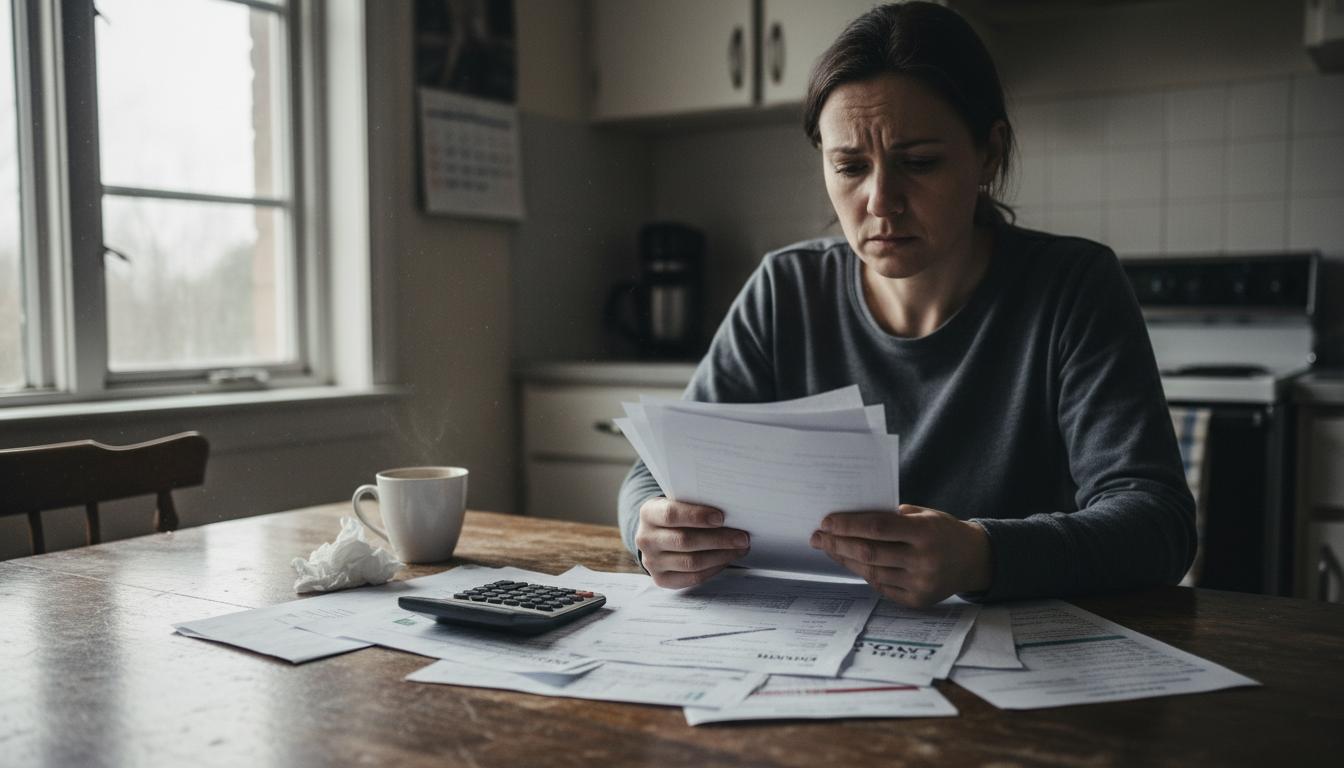
Figure 1: The burden of financial stress affects millions of payday loan borrowers
The Debt Trap Mechanism
The high interest rates are just the beginning of the problem. The real danger of payday loans lies in what industry critics call the “debt trap” or “cycle of debt.” This is not an unfortunate side effect of payday lending. It is the business model.
The Rollover Problem
Remember that $350 loan with the $52.50 fee? When your next payday arrives, you owe $402.50. But here is the reality for most payday loan borrowers: if you needed $350 two weeks ago, you probably do not have $402.50 today. Living paycheck to paycheck means there is no cushion, no savings to draw from, no extra money sitting around.
So what do you do? If you cannot pay the full amount, the lender offers you an option: roll over the loan. Pay just the $52.50 fee, and they will extend the loan for another two weeks. The $350 principal remains, and in two weeks, you will owe $402.50 again.
This sounds manageable, but it is a trap. According to the Consumer Financial Protection Bureau, 80% of payday loans are rolled over or followed by another loan within 14 days. The average borrower takes out eight loans per year, staying in debt for more than half the year. Some borrowers roll over loans dozens of times, paying hundreds or even thousands of dollars in fees while never reducing the original principal.
Consider the mathematics of this cycle. If you roll over that $350 loan eight times, which is the average, you will pay $420 in fees over four months. That is more than the original loan amount, and you still owe the $350 principal. After a year of this cycle, you could pay over $1,000 in fees on a $350 loan.
Why the Trap Works
The debt trap works because of a fundamental mismatch between the loan terms and the borrower’s financial reality. Payday loans are marketed as short-term solutions to temporary cash flow problems. But for people living in poverty or near-poverty, cash flow problems are not temporary. They are chronic.
A family struggling to pay rent this month will likely struggle next month too. Medical bills do not disappear in two weeks. Car repairs, when they come, often signal the beginning of ongoing problems with an aging vehicle. The underlying financial instability that led to the first payday loan does not magically resolve itself when the loan comes due.
Lenders know this. In fact, they count on it. According to research by the Center for Responsible Lending, 75% of all payday loan fees come from borrowers who take out more than 10 loans per year. The industry depends on repeat customers trapped in cycles of debt. Without these borrowers, the business model would collapse.
The trap is further reinforced by the structure of loan repayment. Unlike credit cards or traditional loans, which allow borrowers to make minimum payments and gradually reduce debt, payday loans require full repayment in a lump sum. This “balloon payment” structure is specifically designed to be difficult for cash-strapped borrowers to meet, virtually ensuring that many will need to roll over or reborrow.
Who Gets Trapped?
Payday lenders often portray their customers as responsible middle-class Americans facing temporary setbacks. The reality is quite different. Research consistently shows that payday loans disproportionately target the most vulnerable members of society: the poor, minorities, single parents, and those with limited financial literacy.
The Demographics of Debt
According to the Pew Charitable Trusts, the typical payday loan borrower earns about $30,000 per year, well below the median household income in the United States. Most are renters rather than homeowners. Many lack a four-year college degree. They are more likely to be separated or divorced than the general population. In short, they are people who have already been left behind by the American economy.
Race plays a disturbing role as well. Studies have found that payday lenders concentrate their stores in minority neighborhoods at rates far exceeding their presence in white neighborhoods with similar income levels. Black borrowers are twice as likely as white borrowers to use payday loans, even when controlling for income. This concentration has led civil rights organizations to label payday lending as a form of economic predation that perpetuates racial inequality.
Military service members are another targeted group. Despite federal protections that cap interest rates at 36% APR for active-duty military personnel and their families, predatory lenders still find ways to reach this population. The financial stress of military life, frequent relocations, and the relatively young age of many service members make them attractive targets for payday lenders.
The Psychology of Desperation
Understanding who gets trapped also requires understanding the mindset of someone considering a payday loan. These are not people who are financially irresponsible or unaware of the risks. Research shows that most payday borrowers understand that the loans are expensive. They simply see no alternative.
Desperation clouds judgment. When your child needs medicine, when your car needs repairs to get you to work, when the utility company is threatening to shut off your electricity, the immediate need for cash overwhelms concerns about future costs. The payday lender is offering a solution to today’s crisis. Tomorrow’s problems can wait until tomorrow.
This psychological pressure is compounded by the shame that often accompanies financial distress. People in debt may feel embarrassed about their situation, reluctant to ask family or friends for help, unwilling to admit they need assistance. Payday lenders offer anonymity and privacy. No one needs to know about your financial troubles. This appeal to dignity, ironically, often leads to even greater financial humiliation.
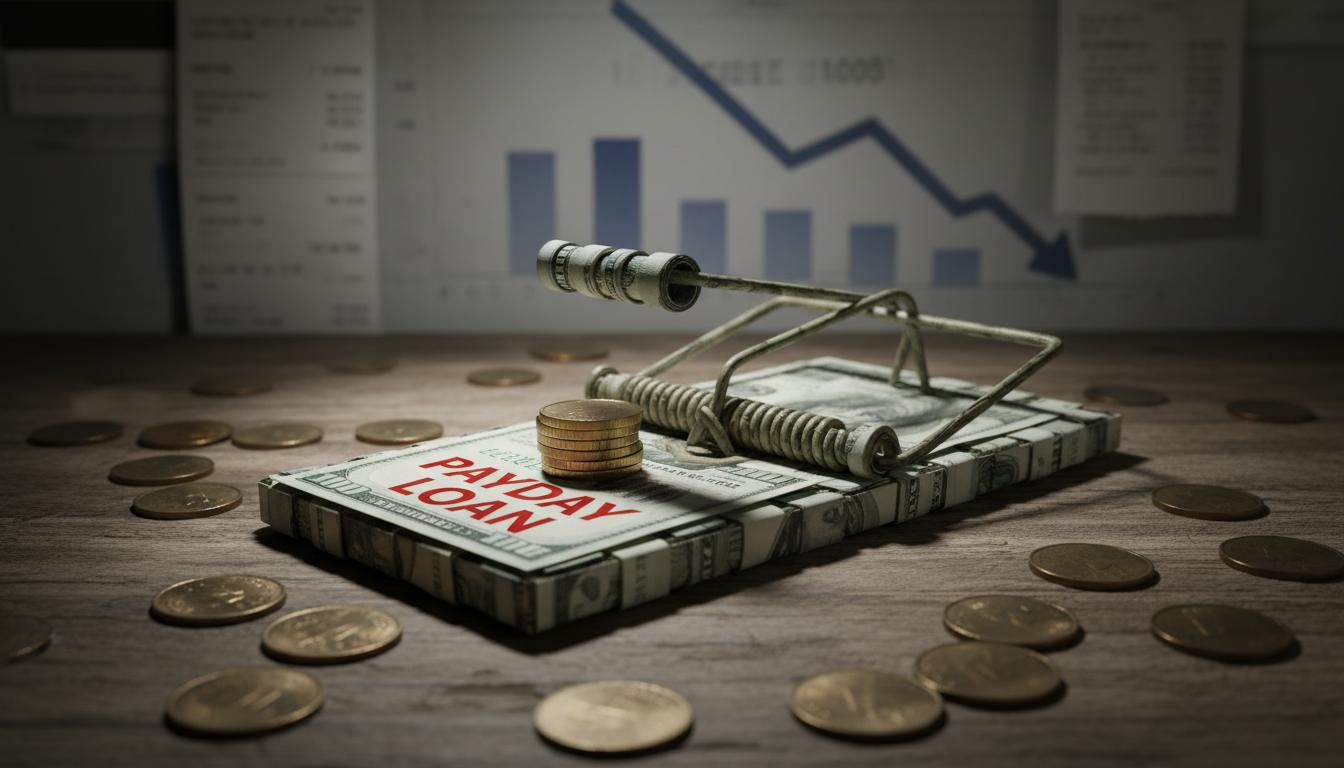
Figure 2: The payday loan debt trap captures borrowers in an endless cycle of fees and renewals
The True Cost of Borrowing
To truly understand the devastation caused by payday loans, one must look beyond the abstract percentages and examine the real-world impact on families, communities, and society as a whole.
Individual Consequences
For the individual borrower, the costs of payday loans extend far beyond the fees paid. When a significant portion of each paycheck goes to loan fees, there is less money available for necessities. Families cut back on food, delay medical care, skip utility payments, and fall behind on rent. The financial stress takes a toll on mental and physical health, relationships, and job performance.
Bank account closures are another common consequence. When lenders attempt to withdraw payment and the funds are not available, borrowers face overdraft fees from their banks, typically $35 per transaction. Multiple attempted withdrawals can result in hundreds of dollars in overdraft charges. Many borrowers eventually close their accounts to stop the bleeding, leaving them without access to basic banking services.
The debt cycle can also lead to legal problems. While payday lenders rarely sue for small amounts, they may sell delinquent loans to collection agencies. Harassing phone calls, threats of lawsuits, and negative marks on credit reports follow. Some borrowers, desperate to escape the cycle, turn to bankruptcy, which has long-lasting consequences for their financial futures.
Community Impact
The damage extends beyond individual borrowers to entire communities. According to the Center for Responsible Learning, Americans spend more than $2.4 billion annually on payday loan fees. This is money that is not being spent at local businesses, not being saved for emergencies, not being invested in education or homeownership. It is money that flows out of struggling communities and into the pockets of large, often out-of-state corporations.
Research has shown that neighborhoods with high concentrations of payday lenders experience slower economic growth than similar neighborhoods without such lenders. The drain of wealth from these communities perpetuates cycles of poverty that can last for generations.
The Industry’s Defense
Payday lenders and their trade associations defend their practices by arguing that they provide a valuable service to an underserved population. Without payday loans, they contend, people would have nowhere to turn in financial emergencies. They would bounce checks, pay late fees, have utilities disconnected, or turn to illegal loan sharks.
There is some truth to these arguments. Many payday loan customers do report satisfaction with the service, appreciating the speed and convenience. Some studies suggest that in states that have banned payday loans, consumers may face worse outcomes, such as increased bankruptcy filings or bounced checks.
However, critics counter that these arguments ignore the predatory nature of the industry. Yes, people need access to emergency credit. But that does not justify charging 400% APR or designing loans to trap borrowers in cycles of debt. The choice is not between payday loans and no credit at all. There are better alternatives, which we will explore later in this article.
Regulations and Legal Landscape
The regulation of payday lending in the United States is a patchwork of federal oversight, state laws, and local ordinances. This inconsistent framework has created a landscape where the availability and cost of payday loans vary dramatically depending on where you live.
Federal Regulations
At the federal level, the primary regulator of payday lending has been the Consumer Financial Protection Bureau, or CFPB. Created in the wake of the 2008 financial crisis, the CFPB was given authority to regulate non-bank financial services, including payday lenders.
In 2017, after extensive research and public comment, the CFPB issued a rule requiring payday lenders to verify borrowers’ ability to repay loans before making them. This “ability-to-repay” provision was designed to prevent the worst abuses of the industry by ensuring that borrowers had sufficient income to repay loans without reborrowing.
However, the implementation of this rule has been delayed and weakened through ongoing legal challenges and changes in political leadership. Critics argue that the CFPB has become less aggressive in enforcing consumer protections, leaving borrowers vulnerable.
The Military Lending Act provides another layer of federal protection. This law caps interest rates at 36% APR for loans to active-duty service members and their families. While this has helped protect military personnel, enforcement remains challenging, and some lenders have found ways to evade the restrictions.
State-Level Variations
The most significant variations in payday lending regulation occur at the state level. Currently, twelve states and the District of Columbia have effectively banned payday lending through strict interest rate caps: Arizona, Arkansas, Colorado, Georgia, Maryland, Massachusetts, Montana, Nebraska, New Jersey, New York, North Carolina, and West Virginia.
Other states allow payday lending but impose various restrictions. Some cap interest rates at lower levels than the industry standard. Others limit the number of loans a borrower can take out in a year, require cooling-off periods between loans, or mandate extended payment plans for borrowers who cannot repay.
Then there are states with minimal or no regulation. In Texas, for example, there is no cap on payday loan fees, and APRs can exceed 600%. Online lenders operating from these states can make loans to borrowers anywhere, effectively exporting their lack of regulation to other jurisdictions.
Local Action
In the absence of strong state or federal action, some cities and counties have taken matters into their own hands. Local ordinances have been passed to limit the concentration of payday lenders in certain neighborhoods, require special licensing, or impose additional disclosure requirements. While these local measures provide some protection, they are no substitute for comprehensive state or federal regulation.
Alternatives to Payday Loans
If payday loans are so dangerous, what should someone in a financial emergency do instead? Fortunately, there are alternatives that provide emergency credit without the predatory terms of payday loans.
Credit Union Payday Alternative Loans
Many federal credit unions offer Payday Alternative Loans, or PALs, as a safe alternative to traditional payday loans. These loans are specifically designed to meet short-term emergency needs without trapping borrowers in debt.
PALs typically range from $200 to $1,000, with repayment terms of one to six months. Most importantly, interest rates are capped at 28% APR, a fraction of what payday lenders charge. While borrowers must be credit union members to qualify, many credit unions have minimal membership requirements and low or no fees to join.
The National Credit Union Administration reports that PALs have helped thousands of borrowers avoid predatory lending while building relationships with mainstream financial institutions. For anyone considering a payday loan, checking with local credit unions should be the first step.
Employer Salary Advances
Some employers offer salary advance programs that allow workers to access earned wages before payday. Unlike payday loans, these are not really loans at all. You are simply receiving money you have already earned, minus any applicable fees.
A growing number of fintech companies partner with employers to offer these services, often with minimal or no fees. Even if your employer does not have a formal program, it never hurts to ask your HR department about the possibility of an advance. Many employers would rather help an employee avoid predatory lending than risk losing them to financial distress.
Cash Advance Apps
A new generation of financial apps offers small cash advances with more reasonable terms than payday loans. Apps like Earnin, Dave, and Brigit allow users to access a portion of their upcoming paycheck early, typically with no interest and only optional tips or small monthly fees.
While these apps are not without criticism, some have been accused of creating their own cycles of dependency, they are generally far less expensive than payday loans. Borrowers should read the terms carefully, watch out for hidden fees, and use these services sparingly rather than making them a regular habit.
Negotiating with Creditors
Many people turn to payday loans to pay other bills, but often those bills can be negotiated directly. Utility companies, landlords, and other creditors may be willing to work out payment plans, extend due dates, or waive late fees for customers who communicate with them honestly about their financial difficulties.
Nonprofit credit counseling agencies can help negotiate with creditors on your behalf and develop debt management plans. These agencies provide their services at low or no cost and can be a valuable resource for anyone struggling with debt.
Community Resources
Many communities have emergency assistance programs designed to help residents facing financial crises. Local charities, religious organizations, and government agencies may provide help with rent, utilities, food, or medical expenses. While these programs often have limited funding and strict eligibility requirements, they are worth exploring before turning to high-cost loans.
The United Way’s 211 helpline can connect people with local resources in their area. Community Action Agencies, which exist in most counties across the United States, offer various forms of assistance to low-income families. These resources may not solve every problem, but they can help bridge gaps without creating new debt.
Breaking the Cycle
For those already trapped in the payday loan cycle, escape can seem impossible. But it is not. With determination, support, and the right strategies, borrowers can break free from predatory lending and rebuild their financial lives.
Stop the Bleeding
The first step is to stop taking out new payday loans. This may sound obvious, but it is often the hardest step. When you are facing immediate financial pressure, the temptation to roll over an existing loan or take out a new one can be overwhelming. Breaking this pattern requires making a conscious decision to find another way, even if that way is difficult.
If possible, pay off the current loan in full and do not borrow again. If that is not possible, contact the lender and ask about extended payment plans. Some states require lenders to offer these plans, which allow borrowers to repay loans over time without additional fees. Even in states without such requirements, some lenders will work with borrowers to avoid default.
Seek Professional Help
Nonprofit credit counseling agencies specialize in helping people escape debt traps. These organizations can negotiate with creditors, consolidate debts into manageable payments, and provide financial education to help prevent future problems. Look for agencies accredited by the National Foundation for Credit Counseling or the Financial Counseling Association of America.
Be wary of for-profit debt settlement companies that promise quick fixes for high fees. These companies often leave borrowers in worse financial shape than when they started. Legitimate nonprofit agencies will provide clear information about their services and fees upfront.
Build an Emergency Fund
Once free from the payday loan cycle, the next challenge is staying free. This requires building an emergency fund, even if it starts small. Having even a few hundred dollars in savings can prevent the need for payday loans when unexpected expenses arise.
Start by setting aside whatever you can afford, even if it is just $10 or $20 per paycheck. Consider opening a separate savings account to make the money less accessible for everyday spending. Over time, aim to build an emergency fund that covers three to six months of essential expenses. This may take years to achieve, but every dollar saved is a step away from the payday loan trap.
Improve Your Credit
Poor credit is one of the main reasons people turn to payday lenders. Improving your credit score opens up access to more affordable forms of credit. Start by checking your credit report for errors and disputing any inaccuracies. Then focus on making all payments on time, keeping credit card balances low, and avoiding new credit inquiries.
Secured credit cards can be a useful tool for building credit. These cards require a security deposit but function like regular credit cards, with payments reported to credit bureaus. Over time, responsible use of a secured card can lead to an improved credit score and eligibility for traditional credit products.
Conclusion: A Call for Change
Payday loans represent a failure of our financial system to serve the most vulnerable among us. They promise quick relief but deliver long-term pain. They exploit desperation rather than addressing its causes. They extract wealth from communities that can least afford to lose it.
The evidence is overwhelming: payday loans trap millions of Americans in cycles of debt that can last for years. The average borrower pays more in fees than they originally borrowed. Communities with high concentrations of payday lenders suffer economically. The industry depends on repeat borrowers for three-quarters of its revenue. This is not a service. It is exploitation.
Yet the solution is not simply to ban payday loans and leave desperate people with no options. The solution is to create a financial system that truly serves everyone, including those with low incomes and poor credit. This means stronger regulations to prevent predatory practices, expanded access to affordable credit through credit unions and community banks, better financial education, and stronger social safety nets to prevent the emergencies that drive people to payday lenders in the first place.
It also means recognizing that financial instability is often the result of systemic problems, not individual failings. Wages have stagnated while costs of housing, healthcare, and education have soared. The safety net has been weakened. Traditional banks have abandoned low-income communities. In this context, payday lenders are not filling a gap. They are profiting from a crisis.
Change is possible. States that have implemented strict rate caps have seen reductions in payday lending without increases in illegal lending or other negative consequences. Credit unions offering PALs have demonstrated that small-dollar lending can be done responsibly. Employer advance programs show that emergency credit does not require predatory terms.
For individuals, the message is clear: avoid payday loans at all costs. If you are considering one, explore every alternative first. If you are already trapped, seek help from nonprofit credit counselors. There is a way out, and you do not have to walk it alone.
For policymakers, the mandate is equally clear: protect consumers from predatory lending. Strengthen and enforce regulations. Support affordable alternatives. Address the root causes of financial instability. The payday loan industry has had decades to prove that it can operate responsibly. It has failed. It is time for a new approach.
For all of us, the challenge is to build a society where no one has to choose between paying rent and feeding their children, where a car repair does not trigger a financial catastrophe, where the dignity of every person is valued more than the profits of predatory lenders. Payday loans are a symptom of a deeper problem. Let us work together to solve it.