Your home is more than just a building. It is where memories are made, where families grow, and where you find comfort after a long day. For most people, their home represents the single largest investment they will ever make. Yet, despite its importance, many homeowners fail to fully understand how their insurance policy protects them when disaster strikes. Natural disasters have become increasingly common and severe in recent years, making it more critical than ever to understand the relationship between home insurance and natural disasters.
When Hurricane Katrina devastated New Orleans in 2005, many homeowners discovered too late that their standard insurance policies did not cover flood damage. Similarly, after the devastating wildfires in California, thousands of families learned that their coverage limits were insufficient to rebuild their homes. These stories are not isolated incidents. They represent a widespread problem: the gap between what homeowners believe their insurance covers and what it actually covers.
This comprehensive guide aims to bridge that gap. We will explore everything you need to know about home insurance and natural disasters, from understanding your policy’s fine print to preparing your home for the worst. Whether you live in a hurricane-prone coastal area, a wildfire-vulnerable region, or a flood zone, this article will provide you with the knowledge you need to protect your most valuable asset.
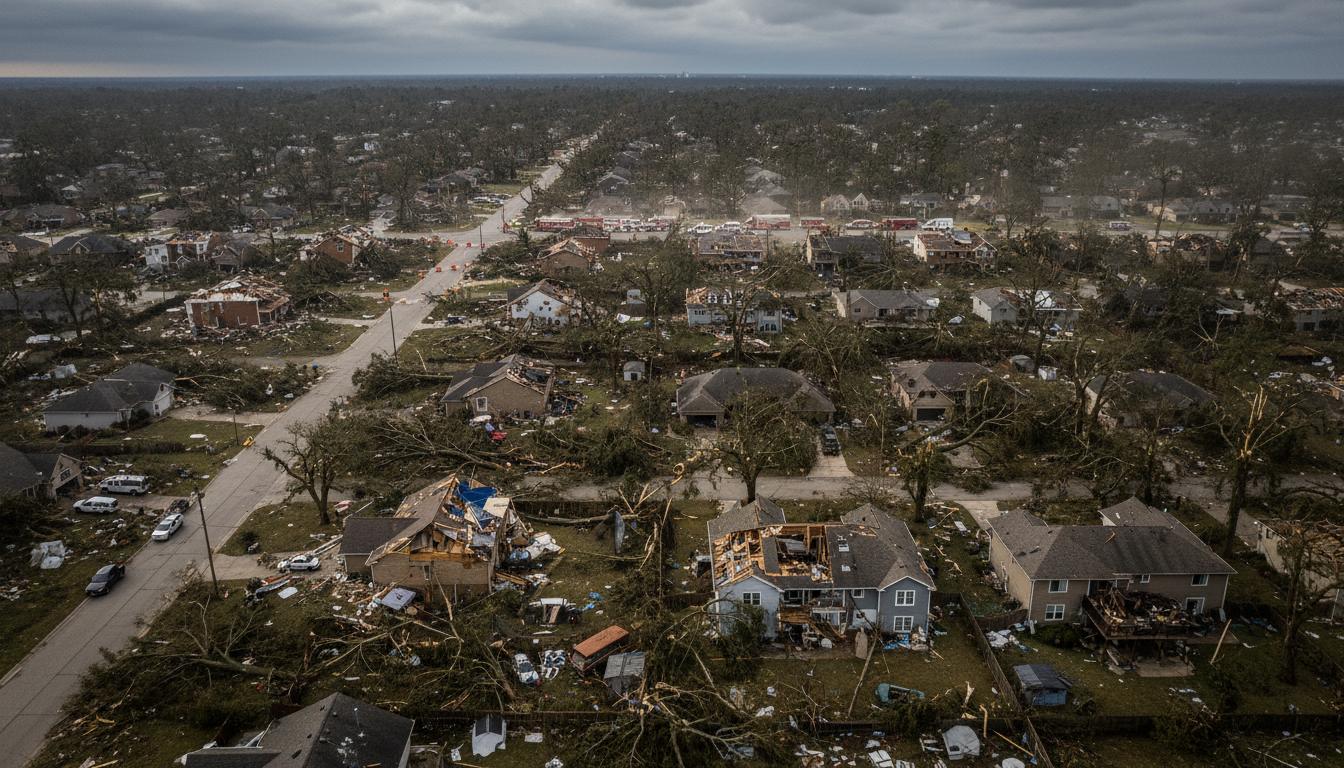
Figure 1: The devastating impact of natural disasters on residential communities
The reality is that natural disasters are becoming more frequent and more destructive. Climate change has intensified weather patterns, leading to stronger hurricanes, more severe droughts, and unpredictable flooding events. According to the National Oceanic and Atmospheric Administration, the United States experienced 28 separate billion-dollar weather and climate disasters in 2023 alone. These events caused hundreds of deaths and billions of dollars in damage. For homeowners, understanding how to navigate the complex world of insurance in this new reality is not just smart. It is essential.
The financial impact of these disasters extends far beyond the immediate damage to homes and property. Families are displaced, communities are disrupted, and the economic ripple effects can be felt for years. Insurance serves as a critical safety net, providing the financial resources needed to rebuild and recover. However, the effectiveness of that safety net depends entirely on having the right coverage in place before disaster strikes.
What Is Homeowners Insurance and What Does It Cover?
Homeowners insurance is a type of property insurance that provides financial protection against disasters, theft, and accidents. A standard homeowners insurance policy typically includes several types of coverage, each designed to protect different aspects of your home and property. Understanding these components is the first step toward ensuring you have adequate protection.
The concept of homeowners insurance dates back centuries, evolving from simple fire insurance policies to the comprehensive coverage options available today. Modern homeowners insurance is designed to protect not just the physical structure of your home, but also your personal belongings, your financial assets through liability protection, and your quality of life through additional living expenses coverage.
Dwelling Coverage
Dwelling coverage is the core component of any homeowners insurance policy. It covers the physical structure of your home, including the roof, walls, floors, and built-in appliances. If your home is damaged or destroyed by a covered peril, dwelling coverage will pay to repair or rebuild it. Most policies cover damage from fire, lightning, windstorms, hail, and vandalism. However, the key word here is “covered peril.” Not all disasters are covered by standard policies, which is where many homeowners run into trouble.
When determining how much dwelling coverage you need, it is important to understand the difference between market value and replacement cost. Market value is what your home would sell for on the open market, including the land it sits on. Replacement cost is what it would take to rebuild your home from scratch using current materials and labor costs. In most cases, replacement cost is higher than market value, especially if land values in your area are low. Your dwelling coverage should be based on replacement cost, not market value.
Many homeowners make the mistake of purchasing dwelling coverage equal to their mortgage balance. This approach is problematic for several reasons. First, your mortgage balance has no relationship to the cost of rebuilding your home. Second, as you pay down your mortgage, your coverage remains static while construction costs may rise. Finally, if your home is destroyed and your coverage is insufficient, you could find yourself owing money on a mortgage for a home that no longer exists.
Personal Property Coverage
Personal property coverage protects the belongings inside your home, such as furniture, clothing, electronics, and appliances. This coverage typically extends to items stolen or damaged both inside and outside your home. However, there are usually limits on certain categories of items, such as jewelry, art, and collectibles. If you own high-value items, you may need to purchase additional coverage through endorsements or riders.
Most policies provide personal property coverage equal to fifty to seventy percent of your dwelling coverage. While this may seem generous, it is important to conduct a thorough inventory of your belongings to ensure this amount is adequate. Many homeowners are surprised to discover how much their possessions are worth when they add up the replacement costs of everything they own.
Personal property coverage is typically provided on an actual cash value basis, which means depreciation is deducted from your settlement. For example, if your five-year-old television is destroyed, you will receive its depreciated value, not the cost of a new one. You can upgrade to replacement cost coverage for personal property, which is highly recommended given how quickly electronics and other items depreciate.
Liability Protection
Liability protection covers you if someone is injured on your property and decides to sue you. It also covers damage you or your family members cause to others’ property. This coverage extends beyond your home and can protect you anywhere in the world. Given the potential cost of legal defense and judgments, having adequate liability coverage is crucial.
Standard homeowners policies typically provide $100,000 to $300,000 in liability coverage. However, in today’s litigious society, these limits may be insufficient. If someone is seriously injured on your property, medical expenses and legal judgments can easily exceed these amounts. Many insurance professionals recommend carrying at least $500,000 in liability coverage, with an umbrella policy providing additional protection of $1 million or more.
Umbrella policies are relatively inexpensive and provide valuable peace of mind. They kick in when the limits of your underlying homeowners or auto policy are exhausted. In addition to higher limits, umbrella policies often cover certain claims that underlying policies exclude, such as libel, slander, and false arrest.
Additional Living Expenses
If your home becomes uninhabitable due to a covered loss, additional living expenses coverage will pay for temporary housing, meals, and other costs while your home is being repaired. This coverage can be a lifesaver in the aftermath of a disaster, allowing you to maintain some semblance of normalcy while dealing with the stress of rebuilding.
Additional living expenses coverage is typically limited to a percentage of your dwelling coverage, often twenty percent, or a specific time period, such as twelve months. In the aftermath of a major disaster, when contractors are overwhelmed and construction timelines stretch out, these limits can be quickly exhausted. Some insurers offer extended or unlimited additional living expenses coverage for an additional premium.
It is important to understand what expenses qualify under this coverage. Generally, your insurer will pay the difference between your normal living expenses and your increased costs due to displacement. If you normally spend $500 per month on groceries but must spend $800 eating out while displaced, your insurer would reimburse the $300 difference. Keep detailed records and receipts of all expenses related to your displacement.
The Natural Disaster Gap: What Standard Policies Do Not Cover
Here is where things get complicated. Standard homeowners insurance policies do not cover all types of natural disasters. In fact, some of the most destructive events are specifically excluded from coverage. Understanding these exclusions is critical to ensuring you are fully protected.
Insurance companies exclude certain perils because they are either too predictable, too catastrophic, or both. Flooding, for example, tends to affect specific geographic areas, making it possible for those at highest risk to purchase coverage while those in safer areas opt out. Earthquakes, while less predictable in timing, are concentrated in specific regions. By excluding these perils from standard policies, insurers can keep premiums affordable for the majority of homeowners while offering specialized coverage to those who need it.
Flood Damage
Perhaps the most significant exclusion in standard homeowners insurance is flood damage. Flooding is the most common and costly natural disaster in the United States, yet it is not covered by standard policies. To protect your home against flood damage, you need a separate flood insurance policy, typically purchased through the National Flood Insurance Program or a private insurer. Many homeowners only discover this exclusion after it is too late.
Flood insurance covers damage caused by rising water, whether from heavy rain, storm surge, overflowing rivers, or other sources. It covers both the structure of your home and your personal belongings, though coverage limits apply. The National Flood Insurance Program provides up to $250,000 in building coverage and $100,000 in contents coverage for residential properties. Private flood insurers may offer higher limits.
Importantly, there is typically a 30-day waiting period before flood insurance takes effect, so you cannot wait until a storm is approaching to purchase coverage. This waiting period exists to prevent adverse selection, where homeowners only buy insurance when they know a loss is imminent. The only exceptions are when flood insurance is required for a mortgage closing or when a property is newly designated in a high-risk flood zone.
Many homeowners mistakenly believe they do not need flood insurance because they do not live in a designated flood zone. However, floods can happen anywhere. In fact, more than twenty percent of flood claims come from properties outside high-risk flood zones. If you live in an area with any risk of flooding, purchasing flood insurance is a wise investment.
Earthquake Damage
Like floods, earthquakes are excluded from standard homeowners insurance policies. If you live in an earthquake-prone area, such as California, Washington, or parts of the Midwest, you should consider purchasing earthquake insurance. These policies can be expensive, with high deductibles, but the cost of rebuilding after a major earthquake can be catastrophic without coverage.
Earthquake insurance typically covers damage to your home and personal property caused by seismic activity. It also includes additional living expenses coverage if your home becomes uninhabitable. However, earthquake policies usually have high deductibles, often ranging from ten to twenty percent of your dwelling coverage limit. For a home insured for $300,000, a fifteen percent deductible would mean paying $45,000 out of pocket before insurance kicks in.
In California, earthquake insurance is available through the California Earthquake Authority, a publicly managed, privately funded organization. The CEA offers various coverage options and deductible levels. Private insurers also offer earthquake coverage in some states. If you are considering earthquake insurance, compare options from multiple sources to find the best coverage for your needs.
Hurricane and Windstorm Coverage
While standard policies typically cover wind damage, the situation becomes more complex in hurricane-prone areas. Many coastal states allow insurers to impose separate hurricane deductibles, which are often much higher than standard deductibles. These deductibles are usually calculated as a percentage of your home’s insured value, typically between one and five percent. For a home insured for $300,000, a five percent hurricane deductible would mean you pay $15,000 out of pocket before insurance kicks in.
Hurricane deductibles are triggered by specific events, such as a hurricane making landfall or reaching a certain category strength. The exact trigger varies by state and policy. Some policies apply the hurricane deductible to any damage caused by a named storm, while others only apply it when a hurricane warning is issued or when sustained winds reach a certain speed.
In some coastal areas, homeowners may need to purchase separate windstorm insurance through state-run pools or private insurers. These policies specifically cover wind and hail damage, filling a gap left by standard homeowners policies that exclude or limit wind coverage in high-risk areas. If you live in a coastal state, check with your insurance agent to understand your windstorm coverage options.
Wildfire Coverage
Wildfire coverage varies significantly by location and insurer. In high-risk areas, some insurers have stopped offering coverage altogether or have significantly increased premiums. Some states have created Fair Access to Insurance Requirements plans to ensure homeowners in high-risk areas can obtain coverage. If you live in a wildfire-prone region, it is essential to understand your coverage and take steps to mitigate risk, such as creating defensible space around your home.
The increasing frequency and severity of wildfires have made it difficult for some homeowners to obtain affordable coverage. In California, for example, insurers have non-renewed thousands of policies in high-risk areas. The state’s FAIR Plan provides basic fire coverage as a last resort, but it is more expensive and less comprehensive than standard policies.
To improve your chances of obtaining and maintaining wildfire coverage, take steps to harden your home against fire. This includes creating defensible space, using fire-resistant building materials, and maintaining your roof and gutters. Some insurers offer discounts for homes that meet certain wildfire safety standards. Contact your local fire department or forestry service for guidance on wildfire mitigation measures.
Understanding Your Insurance Policy: Key Terms and Concepts
Insurance policies are filled with jargon and technical terms that can be confusing to the average homeowner. To make informed decisions about your coverage, you need to understand these key concepts.
Replacement Cost vs. Actual Cash Value
One of the most important distinctions in homeowners insurance is between replacement cost and actual cash value coverage. Replacement cost coverage pays to rebuild your home or replace your belongings at current prices, without deducting for depreciation. Actual cash value coverage, on the other hand, pays the depreciated value of your property. While actual cash value policies are cheaper, they can leave you significantly underinsured in the event of a total loss.
Consider this example. You purchased a roof ten years ago for $15,000. Today, that same roof would cost $25,000 to replace. If your roof is destroyed in a storm and you have replacement cost coverage, your insurer will pay the full $25,000 to install a new roof. If you have actual cash value coverage, your insurer will deduct ten years of depreciation from the replacement cost, perhaps paying only $10,000 or less. You would be responsible for the difference.
For most homeowners, replacement cost coverage is well worth the additional premium. The peace of mind knowing you can fully rebuild after a disaster is invaluable. When comparing quotes from different insurers, make sure you are comparing apples to apples by verifying that all quotes are for replacement cost coverage.
Coverage Limits and Deductibles
Your coverage limit is the maximum amount your insurer will pay for a covered loss. It is crucial to ensure your dwelling coverage limit is sufficient to rebuild your home completely. Many homeowners make the mistake of insuring their home for its market value rather than its replacement cost. In many cases, the replacement cost is higher than the market value, especially in areas where land is inexpensive.
Your deductible is the amount you must pay out of pocket before your insurance coverage kicks in. Choosing a higher deductible can lower your premiums, but it also means you will pay more in the event of a claim. Consider your financial situation carefully when selecting a deductible. Can you afford to pay $2,500 or $5,000 out of pocket if disaster strikes? If not, a lower deductible may be a better choice despite the higher premium.
Some policies offer percentage deductibles for specific perils, such as hurricanes or windstorms. These deductibles are calculated as a percentage of your dwelling coverage limit rather than a fixed dollar amount. A one percent deductible on a $300,000 home would be $3,000. Make sure you understand all the deductibles that apply to your policy.
Policy Exclusions and Endorsements
Every insurance policy has exclusions, which are specific perils or situations that are not covered. Reading and understanding these exclusions is essential. If you find that your policy excludes a risk you are concerned about, you may be able to purchase an endorsement or rider to add coverage. Common endorsements include coverage for sewer backup, identity theft, and valuable personal property.
Endorsements can also be used to increase coverage limits for specific categories of property. For example, standard policies typically limit jewelry coverage to $1,000 or $2,500. If you own valuable jewelry, you can purchase a scheduled personal property endorsement to insure individual items for their appraised value. This endorsement typically costs less than you might expect and provides peace of mind for your most valuable possessions.

Figure 2: Comprehensive home insurance provides peace of mind and financial security
Preparing for Natural Disasters: A Proactive Approach
While insurance is essential for financial recovery after a disaster, the best approach is to minimize damage in the first place. Taking proactive steps to prepare your home can reduce the likelihood of damage and may even lower your insurance premiums.
Creating a Home Inventory
A home inventory is a detailed list of your personal belongings, including descriptions, photos, and estimated values. This inventory is invaluable when filing an insurance claim after a disaster. Without it, you may struggle to remember everything you owned and prove its value to your insurer. Create your inventory using a spreadsheet, a mobile app, or even a simple written list. Store a copy in a safe place, such as a fireproof safe or cloud storage.
When creating your inventory, be thorough. Go room by room and document everything, from major appliances to clothing to kitchen utensils. Take photos or videos of each room, opening drawers and closets to show the contents. For high-value items, note the make, model, serial number, and purchase date. Keep receipts for major purchases and appraisals for valuable items like jewelry and art.
Update your inventory regularly, at least once a year or whenever you make a major purchase. Many homeowners insurance apps now include inventory tools that make it easy to document your belongings and keep your inventory up to date. Taking the time to create a thorough inventory now can save you countless headaches if you ever need to file a claim.
Hurricane Preparedness
If you live in a hurricane-prone area, there are several steps you can take to protect your home. Install impact-resistant windows or storm shutters to protect against flying debris. Reinforce your garage door, which is often the weakest point in a home’s exterior. Trim trees and shrubs to reduce the risk of falling branches. Consider installing a generator to maintain power during outages. Finally, create an emergency kit with essential supplies, including water, non-perishable food, medications, and important documents.
Roof protection is critical in hurricane zones. Consider upgrading to hurricane straps or clips that secure your roof to the walls of your home. These inexpensive reinforcements can prevent your roof from being lifted off during high winds. If you are replacing your roof, choose materials rated for high wind speeds and ensure proper installation according to local building codes.
Develop an evacuation plan and practice it with your family. Know your evacuation zone and the routes you will take if ordered to leave. Keep your vehicle fueled and have a go-bag ready with essential items. Remember that evacuation orders are issued for your safety. Staying behind puts not only your life at risk but also the lives of emergency responders who may need to rescue you.
Wildfire Mitigation
For homeowners in wildfire-prone areas, creating defensible space is critical. This means clearing vegetation and combustible materials from around your home. The general recommendation is to create a thirty-foot zone of reduced fuel immediately around your home and a one-hundred-foot zone of reduced fuel beyond that. Use fire-resistant building materials when possible, and ensure your roof and gutters are clear of debris. Keep a garden hose that can reach all areas of your property.
The concept of defensible space is based on the idea that fire needs fuel to spread. By removing fuel sources near your home, you reduce the chances that a wildfire will reach your structure. In the immediate zone within five feet of your home, use non-combustible materials like gravel, pavers, or concrete. Remove dead vegetation, leaves, and pine needles from your yard, roof, and gutters regularly.
Consider upgrading to a Class A fire-rated roof, which offers the highest level of fire protection. Replace single-pane windows with dual-pane tempered glass, which is more resistant to heat and breaking. Install one-eighth inch metal mesh screening over vents and eaves to prevent embers from entering your home. These improvements not only protect your home but may also qualify you for insurance discounts.
Flood Preparation
If you live in a flood-prone area, consider elevating your utilities, such as your furnace, water heater, and electrical panel, above the base flood elevation. Install check valves in your plumbing to prevent floodwater from backing up into your home. Waterproof your basement and consider installing a sump pump with a battery backup. Store important documents and valuables on upper floors or in waterproof containers.
Understanding your flood risk is the first step in preparing for potential flooding. Check FEMA’s flood maps to see if your property is in a designated flood zone. Even if you are not in a high-risk zone, consider the topography of your property and your proximity to water sources. Talk to neighbors who have lived in the area for a long time about historical flooding events.
Consider flood-resistant building materials and techniques if you are building or renovating. These include using water-resistant flooring, raising electrical outlets, and installing flood vents that allow water to flow through enclosed areas rather than building up pressure. While these measures require upfront investment, they can significantly reduce flood damage and may lower your flood insurance premiums.
Filing an Insurance Claim After a Natural Disaster
When disaster strikes, filing an insurance claim can feel overwhelming. However, taking the right steps can help ensure a smoother process and a fair settlement.
Document the Damage
Before you begin cleaning up, document the damage thoroughly. Take photos and videos of everything, including damage to the structure of your home and your personal belongings. Do not throw away damaged items until your insurance adjuster has seen them. This documentation will be crucial when negotiating your settlement.
Be as detailed as possible in your documentation. Take wide shots of each room to show the overall damage, then close-ups of specific items. Make notes about when items were purchased and their approximate value. If you have receipts or appraisals for valuable items, gather them now. The more evidence you can provide, the stronger your claim will be.
Keep a journal of your interactions with your insurance company, including dates, times, and the names of representatives you speak with. Save all correspondence, including emails and letters. If you make temporary repairs to prevent further damage, keep receipts for materials and labor. Most policies cover reasonable expenses for emergency repairs.
Contact Your Insurance Company Promptly
Most insurance policies require you to report damage promptly. Contact your insurance company as soon as possible to begin the claims process. Be prepared to provide your policy number, a description of the damage, and any documentation you have gathered. Your insurer will assign an adjuster to assess the damage and estimate repair costs.
In the aftermath of a major disaster, insurance companies are often overwhelmed with claims. Be patient but persistent. If you do not hear back within a reasonable time, follow up. Keep detailed records of all communications. If you are having trouble reaching your insurer, try multiple channels including phone, email, and online portals.
Ask your insurer about advance payments for emergency expenses. Many insurers will provide an advance on your claim to cover immediate needs like temporary housing and essential purchases. Keep receipts for all expenses, as you will need to account for these advances in your final settlement.
Understand Your Rights
As a policyholder, you have certain rights. You have the right to a prompt and fair settlement. You have the right to hire a public adjuster to represent your interests if you disagree with your insurer’s assessment. You have the right to appeal a denied claim. Familiarize yourself with your state’s insurance regulations and do not hesitate to seek help if you feel your insurer is not treating you fairly.
A public adjuster is an independent professional who works on your behalf to negotiate with your insurance company. Unlike the adjuster assigned by your insurer, a public adjuster represents your interests. They can help document your losses, prepare your claim, and negotiate for a fair settlement. Public adjusters typically charge a percentage of your settlement, so consider this cost when deciding whether to hire one.
If your claim is denied or you disagree with the settlement offer, you have the right to appeal. Start by reviewing your denial letter carefully to understand the reasons for the denial. Gather additional evidence to support your position. If necessary, contact your state’s insurance department for assistance. Many states have consumer advocates who can help resolve disputes between policyholders and insurers.
Be Persistent
Insurance claims can be a lengthy process, especially after a major disaster when insurers are overwhelmed with claims. Be persistent in following up with your adjuster and keep detailed records of all communications. If you feel your settlement offer is too low, do not be afraid to negotiate. Provide evidence, such as contractor estimates, to support your position.
Do not feel pressured to accept the first settlement offer if you believe it is inadequate. Take the time to review the offer carefully and compare it to your own estimates of the damage. Get multiple contractor bids for repairs. If the gap between your estimates and the insurer’s offer is significant, consider hiring a public adjuster or attorney to help negotiate.
Remember that you are entitled to a settlement that fully covers your covered losses. Insurance companies are businesses, and like any business, they aim to control costs. However, they also have a legal obligation to honor the terms of their policies. Stand up for your rights and do not settle for less than you deserve.
The Future of Home Insurance in a Changing Climate
As climate change continues to intensify natural disasters, the insurance industry is grappling with how to adapt. In many high-risk areas, premiums are rising, coverage is becoming harder to obtain, and insurers are pulling out of markets altogether. Understanding these trends can help you make informed decisions about your coverage.
Rising Premiums
Insurance premiums have been rising across the country, particularly in areas prone to natural disasters. This trend is likely to continue as insurers face increasing claims from more frequent and severe weather events. While there is little homeowners can do to stop this trend, shopping around for the best rates and taking steps to reduce risk can help mitigate the impact.
Several factors are driving premium increases. Reinsurance costs, which are the costs insurers pay to transfer some of their risk to other companies, have risen significantly. Construction costs have increased, making claims more expensive to settle. And of course, the increasing frequency and severity of disasters means more claims being filed.
To manage rising premiums, consider increasing your deductible if you can afford the higher out-of-pocket cost in the event of a claim. Bundle your home and auto insurance with the same company for multi-policy discounts. Improve your home’s resilience to disasters, which may qualify you for discounts. And shop around regularly to ensure you are getting the best rate for the coverage you need.
The Role of Government
As private insurers retreat from high-risk markets, government programs are playing an increasingly important role. The National Flood Insurance Program provides flood coverage to millions of homeowners. Some states have created their own insurance pools to ensure residents can obtain coverage. Understanding these programs and advocating for their improvement is essential for homeowners in high-risk areas.
The National Flood Insurance Program has faced significant challenges, including substantial debt from major flood events. Reforms are being considered to make the program more financially sustainable while keeping coverage affordable. These reforms include updating flood maps to better reflect current risks, implementing risk-based pricing that more accurately reflects each property’s flood risk, and encouraging communities to adopt stronger floodplain management practices.
State-run insurance pools, such as Florida’s Citizens Property Insurance Corporation and California’s FAIR Plan, provide coverage of last resort for homeowners who cannot obtain insurance in the private market. While these programs serve an important function, they often provide less comprehensive coverage at higher prices than private insurance. They are also vulnerable to insolvency if a major disaster strikes.
Innovation in Insurance
The insurance industry is also exploring new approaches to managing risk. Parametric insurance, which pays out based on the occurrence of a specific event rather than the actual damage incurred, is gaining traction for certain types of coverage. Insurers are also using technology, such as satellite imagery and artificial intelligence, to better assess risk and process claims. Staying informed about these developments can help you take advantage of new options as they become available.
Parametric insurance works differently from traditional insurance. Instead of adjusting claims based on the actual damage, parametric policies pay a predetermined amount when a specific trigger event occurs. For example, a parametric flood policy might pay $10,000 when floodwaters reach a certain depth at a specified location. The advantage is faster payouts without the need for lengthy claims adjustments. The disadvantage is that the payout may not match your actual losses.
Technology is transforming every aspect of the insurance industry. Drones are being used to assess damage after disasters, allowing for faster and safer inspections. Artificial intelligence is being used to process routine claims automatically, freeing up human adjusters to handle complex cases. Mobile apps allow policyholders to file claims, upload documentation, and track the status of their claims in real time. These innovations promise to make the claims process faster and more efficient.
Taking Control of Your Protection
Natural disasters are a fact of life, but their impact on your finances does not have to be catastrophic. By understanding your home insurance policy, identifying gaps in your coverage, and taking proactive steps to prepare your home, you can protect yourself and your family from the worst consequences of these events.
Start by reviewing your current policy. Do you understand what is covered and what is not? Are your coverage limits sufficient to rebuild your home and replace your belongings? Do you need additional coverage for floods, earthquakes, or other excluded perils? If you are unsure, contact your insurance agent and ask questions. It is far better to address these issues now than to discover problems after a disaster.
Next, take steps to prepare your home. Create a home inventory, develop an emergency plan, and make improvements to reduce your risk of damage. Not only will these steps help protect your property, but they may also lower your insurance premiums.
Finally, stay informed. The world of insurance is constantly evolving, particularly as the industry responds to the challenges of climate change. Keep up with changes in your policy, new coverage options, and developments in your community’s disaster preparedness efforts.
Your home is your sanctuary, your investment, and your family’s security. Protecting it requires more than just paying your insurance premiums. It requires understanding, preparation, and vigilance. By taking the time to educate yourself and take action, you can face the future with confidence, knowing that you have done everything possible to protect what matters most.
The peace of mind that comes from knowing you are properly protected is invaluable. When the storm clouds gather, when the earth shakes, or when the waters rise, you will be able to focus on what truly matters: keeping your family safe. The financial recovery, while never easy, will be manageable because you took the time to prepare.
Key Takeaways
- Standard homeowners insurance does not cover flood or earthquake damage. Separate policies are required.
- Understand the difference between replacement cost and actual cash value coverage.
- Create a detailed home inventory to streamline the claims process.
- Take proactive steps to prepare your home for natural disasters.
- Review your policy regularly and update coverage as needed.
- Know your rights as a policyholder when filing a claim.
- Stay informed about changes in the insurance industry and climate risks.
- Consider working with a public adjuster if you disagree with your insurer’s settlement offer.
- Shop around regularly to ensure you are getting the best coverage at the best price.
- Do not wait until disaster strikes to review and update your coverage.
Remember, the best time to prepare for a disaster is before it happens. Do not wait for the storm clouds to gather. Take action today to ensure that when the unexpected occurs, you and your family are protected. Home insurance is not just a financial product. It is peace of mind, security, and the promise that no matter what nature throws your way, you will be able to rebuild and recover.
The journey to comprehensive protection starts with a single step. Pick up your policy today, read it carefully, and ask questions. Your future self will thank you for the time and effort you invest now in securing your family’s financial future.