Everywhere you look these days, people are talking about artificial intelligence. From ChatGPT writing essays to AI art generators creating stunning images, it seems like machines are getting smarter by the day. And with all this talk about AI comes a question that keeps many people awake at night: Will AI take my job?
It is a fair question. After all, we have seen how technology has changed the workplace before. The industrial revolution transformed manufacturing. The internet revolutionized how we communicate and do business. Now, artificial intelligence is poised to be the next big disruptor. But here is the thing most people do not realize: the truth about AI and jobs is far more nuanced than the headlines suggest.
In this comprehensive guide, we are going to dive deep into the world of AI job automation, artificial intelligence employment trends, and what the future of work really looks like. We will explore which jobs are most at risk, which careers are surprisingly AI-proof, and most importantly, what you can do to stay ahead of the curve. By the end of this article, you will have a clear understanding of how machine learning careers are evolving and how workplace automation might affect you personally.
The conversation around AI taking jobs has reached a fever pitch in recent years. News headlines scream about robots replacing workers, and social media is filled with both dire warnings and optimistic predictions. But separating fact from fiction requires a deeper understanding of what AI can actually do, what it cannot do, and how the technology is likely to evolve in the coming years. This article aims to give you that understanding in plain, simple language.
Whether you are a recent graduate entering the workforce, a mid-career professional wondering about your future, or a business leader trying to navigate these changes, this guide has something for you. We will cut through the hype and fear-mongering to give you a realistic picture of how AI job replacement is likely to unfold and what you can do to prepare.
What is AI Really?
Before we can talk about whether AI will steal your job, we need to understand what artificial intelligence actually is. In simple terms, AI refers to computer systems that can perform tasks that typically require human intelligence. This includes things like recognizing speech, making decisions, understanding language, and even learning from experience.
But here is where it gets interesting. Not all AI is created equal. The AI systems we have today are what experts call “narrow AI” or “weak AI.” These are systems designed to do one specific thing really well. For example, an AI that can beat a chess champion cannot drive a car. An AI that can recognize faces cannot write poetry. This is important because it means that while AI is incredibly powerful within its specific domain, it is not the all-knowing, all-capable super-intelligence that science fiction movies would have us believe.
The type of AI that gets the most attention these days is called generative AI. These are systems like ChatGPT, Claude, and DALL-E that can generate new content like text, images, and even music. They work by analyzing massive amounts of data and learning patterns, then using those patterns to create something new. It is impressive technology, but it is still fundamentally limited. These systems do not actually understand what they are creating. They are just really good at predicting what comes next based on what they have seen before.
To understand AI better, think of it like a very advanced pattern-matching tool. When you ask ChatGPT to write an essay, it is not actually thinking about the topic the way a human would. Instead, it is looking at all the text it has been trained on and predicting which words are most likely to come next based on the patterns it has learned. The results can be remarkably good, but they are fundamentally different from human understanding and creativity.
Another important distinction is between AI and automation. Automation has been happening in the workplace for centuries, long before computers existed. A mechanical loom automates weaving. A calculator automates arithmetic. AI is a more advanced form of automation that can handle tasks requiring some level of judgment or pattern recognition. But at its core, it is still about machines doing tasks that humans used to do.
Types of AI in the Workplace
When we talk about AI in the workplace, we are really talking about several different types of technology. Understanding these distinctions is crucial for understanding how AI job replacement might affect different industries.
First, there is robotic process automation, or RPA. This is technology that automates repetitive, rule-based tasks. Think of data entry, processing invoices, or filling out forms. RPA bots can work 24/7 without getting tired or making mistakes. They are already widely used in industries like banking, insurance, and healthcare administration.
Then there is machine learning, which is a subset of AI where systems learn from data to improve their performance over time. This powers things like recommendation algorithms on Netflix and Amazon, fraud detection in banking, and predictive maintenance in manufacturing. Machine learning careers are booming because companies need people who can build and maintain these systems.
Natural language processing, or NLP, is another important type of AI. This is what allows computers to understand and generate human language. It powers chatbots, voice assistants like Siri and Alexa, and translation services. Recent advances in NLP, particularly with large language models, have made these systems much more capable and human-like.
Computer vision is AI that can interpret and understand visual information. This technology is used in facial recognition, quality control in manufacturing, medical imaging, and self-driving cars. As cameras become cheaper and more ubiquitous, computer vision applications are expanding rapidly.
Another category worth mentioning is expert systems, which encode human knowledge and decision-making rules into software. These systems can diagnose diseases, recommend financial investments, or troubleshoot technical problems. While they have been around for decades, modern AI has made them much more sophisticated and capable.
Predictive analytics uses AI to forecast future outcomes based on historical data. This is widely used in business for demand forecasting, risk assessment, and customer behavior prediction. Companies like Amazon use predictive analytics to anticipate what customers want to buy before they even search for it.
Understanding these different types of AI is crucial because each has different implications for the workplace. RPA primarily affects administrative and back-office jobs. Machine learning impacts data-heavy industries like finance and healthcare. NLP is transforming customer service and content creation. Computer vision is changing manufacturing, transportation, and security. By understanding which types of AI affect your industry, you can better prepare for the changes ahead.
Jobs Most at Risk of Automation
Now let us get to the part everyone is worried about: which jobs are most at risk of being automated? The honest answer is that any job that involves repetitive, predictable tasks is vulnerable to some degree. But some jobs are more at risk than others.
Data entry clerks and administrative assistants face some of the highest risks. These jobs involve processing information, filling out forms, and managing schedules, all tasks that AI can do faster and more accurately. If your job primarily involves moving data from one place to another, you should be concerned.
Customer service representatives are also at significant risk. AI-powered chatbots and voice assistants are getting better at handling customer inquiries. They can answer common questions, process returns, and even handle complaints. While they are not perfect yet, they are improving rapidly and can handle a growing percentage of customer interactions without human intervention.
Bookkeepers and accounting clerks face automation risk because much of their work involves categorizing transactions, reconciling accounts, and generating reports. All of these tasks can be automated with modern software. While high-level financial analysis and strategic planning still require humans, the routine aspects of bookkeeping are increasingly being handled by AI.
Manufacturing and warehouse workers have already seen significant automation, and this trend will continue. Robots can work faster, longer, and more consistently than humans for many physical tasks. While robots still struggle with complex manipulation and unstructured environments, they excel at repetitive assembly line work and moving goods in predictable warehouse settings.
Drivers and delivery workers are facing disruption from autonomous vehicles. While fully self-driving cars are not yet commonplace, the technology is advancing rapidly. Truck drivers, taxi drivers, and delivery workers may see their jobs transformed or eliminated as autonomous vehicles become more widespread.
Even some professional jobs are at risk. Paralegals and legal assistants who do document review and research may find AI tools can do much of their work. Junior analysts in finance who spend their time gathering and organizing data may see their roles diminished as AI takes over these tasks. Medical transcriptionists and radiologists who primarily interpret routine images face competition from AI systems that can perform these tasks with increasing accuracy.
Telemarketers and sales representatives who rely on scripted pitches are also vulnerable. AI-powered systems can make calls, deliver presentations, and even respond to basic objections. While high-end consultative selling still requires humans, the more routine aspects of sales are increasingly being automated.
Proofreaders and basic editors face challenges from AI writing assistants that can catch grammar errors, suggest improvements, and even rewrite content. While human editors still add value for complex projects, the routine proofreading that used to employ many people is now largely handled by software.
Bank tellers and cashiers have already seen their numbers decline due to ATMs and self-checkout machines. As payment systems become more digital and AI-powered fraud detection improves, the need for human tellers continues to decrease. While some people still prefer human interaction for complex banking needs, routine transactions are increasingly automated.
Travel agents have been disrupted by online booking platforms that use AI to find the best deals and recommend itineraries. While specialized travel consultants who plan complex trips still have value, the routine booking of flights and hotels that used to employ many travel agents is now largely handled by algorithms.
It is important to note that being at risk of automation does not mean a job will disappear overnight. These changes happen gradually. But workers in these fields should be aware of the trends and consider how they can adapt their skills to remain valuable in an AI-powered workplace.
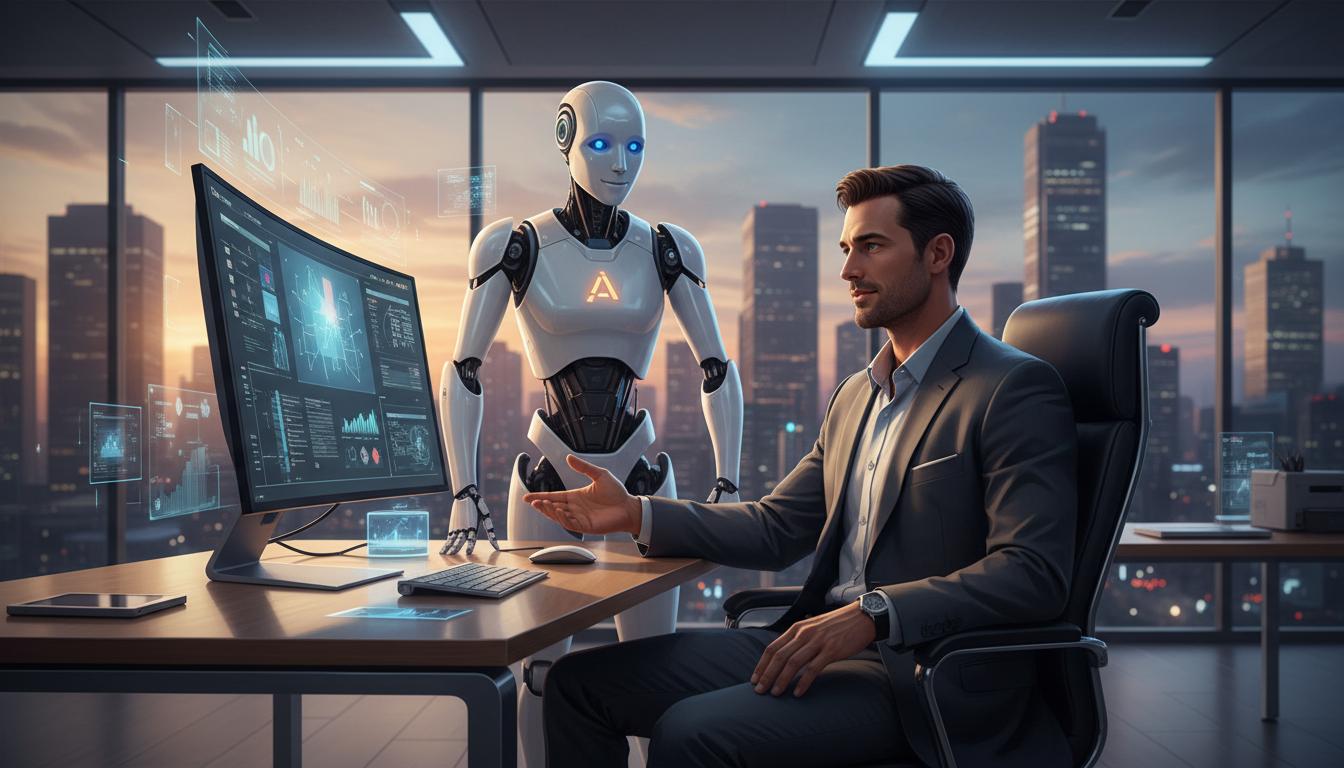
Figure 1: The future of work is about human-AI collaboration, not replacement
Jobs That Are AI-Proof
Now for some good news. While AI is powerful, there are many things it cannot do well. Jobs that require creativity, emotional intelligence, complex problem-solving, and human connection are much harder to automate. Here are some careers that are likely to remain in human hands for the foreseeable future.
Healthcare professionals who provide direct patient care are relatively safe. While AI can help with diagnosis and treatment recommendations, patients want human doctors and nurses. The empathy, reassurance, and personal connection that healthcare workers provide cannot be replicated by machines. This includes doctors, nurses, therapists, and social workers.
Teachers and educators are another group that is hard to replace. While online learning and AI tutors can supplement education, the role of a teacher goes far beyond delivering information. Teachers mentor students, provide emotional support, adapt to individual learning styles, and inspire curiosity. These human elements of education are irreplaceable.
Creative professionals like artists, writers, musicians, and designers have a degree of protection from AI. While AI can generate creative content, it lacks the lived experience, emotional depth, and intentionality that makes human-created art meaningful. The best creative work comes from authentic human expression, something AI cannot truly replicate.
Leaders and managers who make strategic decisions and inspire teams are difficult to automate. Leadership requires understanding complex human dynamics, building relationships, and making judgment calls in ambiguous situations. While AI can provide data and analysis to inform decisions, the actual decision-making and people management requires human insight.
Skilled tradespeople like electricians, plumbers, and carpenters are surprisingly resilient to automation. These jobs require physical dexterity, problem-solving in unpredictable environments, and adapting to unique situations. While robots are getting better at physical tasks, they still struggle with the variety and unpredictability of real-world work sites.
Scientists and researchers who push the boundaries of human knowledge are safe from AI replacement. While AI can help analyze data and identify patterns, the creative insight and curiosity that drives scientific breakthrough comes from human minds. Asking the right questions and designing innovative experiments remains a fundamentally human endeavor.
Entrepreneurs and business founders are also difficult to replace with AI. Starting a business requires vision, risk-taking, adaptability, and the ability to inspire others. While AI can help with market research and business planning, the core entrepreneurial drive is uniquely human.
Counselors, therapists, and coaches who help people navigate personal challenges rely heavily on empathy and human connection. While AI chatbots can provide basic support, the deep therapeutic relationship that facilitates real change requires a human presence. People want to be heard and understood by another person, not a machine.
Performers and entertainers like actors, musicians, and athletes offer something that AI cannot replicate: authentic human experience and emotion. While AI can generate entertainment content, audiences connect with the human stories and struggles behind the performance. The shared human experience is what makes live performances powerful.
Diplomats and negotiators who navigate complex international relations or high-stakes business deals need emotional intelligence, cultural understanding, and the ability to build trust. These soft skills are notoriously difficult to automate and will remain valuable for the foreseeable future.
Emergency responders like firefighters, police officers, and paramedics work in unpredictable, high-stakes situations that require quick thinking, physical courage, and human judgment. While AI can help with dispatch and coordination, the actual response to emergencies requires human capabilities that machines do not possess.
The Surprising Truth About AI and Employment
Here is the truth that will shock you: AI is not going to eliminate most jobs. In fact, historically, technological advances have created more jobs than they have destroyed. The question is not whether there will be jobs in the future, but what those jobs will look like and who will be qualified to do them.
Think about it this way. When computers were introduced, they automated many tasks that people used to do by hand. But they also created entire new industries and millions of new jobs. Software developers, IT support specialists, digital marketers, and countless other roles did not exist before computers. The same pattern is likely to play out with AI.
What is different this time is the speed of change. Previous technological revolutions unfolded over decades, giving workers time to adapt. AI is advancing much faster. This means the transition may be more disruptive, and workers will need to be more proactive about reskilling for AI and adapting to new realities.
Another important point is that AI is more likely to change jobs than eliminate them entirely. Most jobs involve a mix of tasks, some of which can be automated and some of which cannot. AI will handle the repetitive, predictable parts of jobs, freeing humans to focus on the aspects that require creativity, judgment, and human connection. This human AI collaboration is the real future of work.
Consider a doctor who uses AI to analyze medical images. The AI can quickly identify potential issues, flagging them for the doctor’s attention. The doctor then uses their expertise and judgment to make the final diagnosis and discuss treatment options with the patient. The AI makes the doctor more efficient and accurate, but it does not replace the doctor.
The same pattern applies across many professions. Lawyers use AI to review documents and conduct legal research, but still need to develop strategies and argue in court. Financial analysts use AI to process data and identify trends, but still need to make investment decisions and advise clients. Writers use AI to help with research and editing, but still need to craft compelling narratives and express original ideas.
This collaborative approach is already happening in many industries. In healthcare, AI helps radiologists detect tumors in medical images, but the radiologist makes the final diagnosis and discusses treatment options with the patient. In manufacturing, AI predicts when machines need maintenance, but human technicians perform the repairs. In education, AI tutors help students practice basic skills, but human teachers provide mentorship and inspiration.
The economic data supports this optimistic view. While some jobs are being eliminated, new jobs are being created at a similar or faster rate. The challenge is not a lack of jobs, but a skills gap. Workers whose skills become obsolete need to learn new ones. This is where the real disruption occurs, not in overall employment levels but in the difficulty of transition for individual workers.
History shows that technology tends to augment human capabilities rather than replace humans entirely. The spreadsheet did not eliminate accountants; it made them more productive and allowed them to focus on higher-value work. The internet did not eliminate travel agents; it transformed the industry and created new opportunities. AI is likely to follow a similar pattern.
Another factor to consider is that many jobs involve tasks that are difficult or uneconomical to automate. A hotel housekeeper, for example, works in a complex physical environment that would be extremely difficult for a robot to navigate. A kindergarten teacher provides social and emotional development that AI cannot replicate. These jobs are safe not because they are too complex for AI in theory, but because automating them is not practical or desirable.
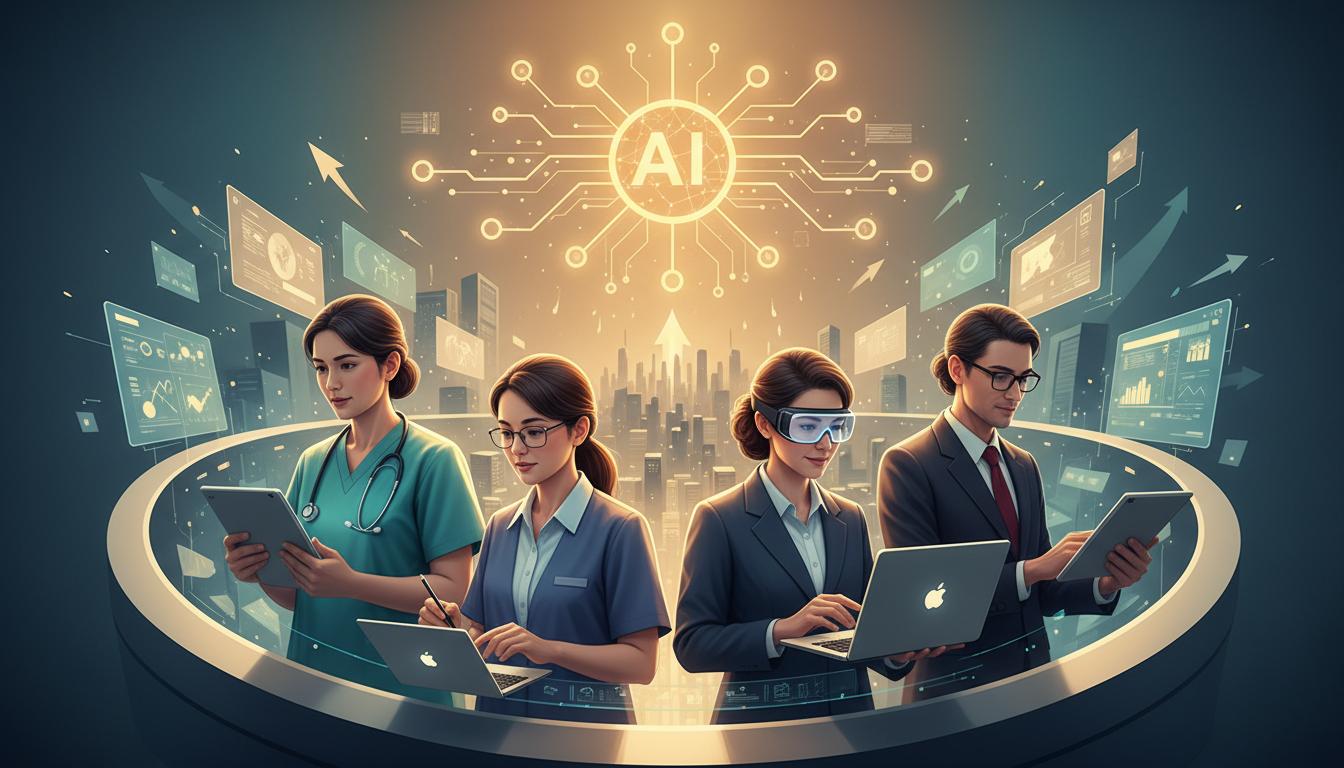
Figure 2: The future belongs to those who embrace continuous learning and skill development
How to Future-Proof Your Career
Now that we understand the landscape, let us talk about what you can actually do to protect your career from AI disruption. The key is to focus on skills and qualities that complement AI rather than compete with it.
First, develop your uniquely human skills. These include creativity, emotional intelligence, critical thinking, and complex problem-solving. These are the things AI struggles with, and they will become increasingly valuable as routine tasks are automated. Practice thinking creatively, work on your communication skills, and develop your ability to understand and work with other people.
Second, become comfortable working with AI tools. The workers who will thrive in the future are those who can leverage AI to amplify their own capabilities. Learn to use AI writing assistants, data analysis tools, and other productivity enhancers. Think of AI as a tool that can make you more effective, not as a competitor.
Third, commit to lifelong learning. The days of learning one trade and doing it for your entire career are over. Technology is changing too quickly. You need to be constantly learning new skills and adapting to new tools. Take online courses, attend workshops, read industry publications, and stay curious about developments in your field.
Fourth, specialize in areas that require human judgment and expertise. While AI can handle routine cases, complex and unusual situations still require human insight. Develop deep expertise in your field so you can handle the cases that AI cannot. Become the person others turn to when the standard approach does not work.
Fifth, build relationships and networks. Much of career success comes from who you know and the relationships you have built. AI cannot replace the trust and connections that come from genuine human interaction. Invest time in building professional relationships and becoming known as someone who is helpful, reliable, and knowledgeable.
Sixth, consider career paths that are less susceptible to automation. If you are early in your career or thinking about a change, look at fields that emphasize creativity, human connection, and complex problem-solving. Healthcare, education, creative arts, and strategic leadership roles are all relatively safe bets.
Finally, stay informed about developments in AI and how they affect your industry. The workers who will be caught off guard are those who ignore the changes happening around them. Pay attention to how AI is being used in your field and think proactively about how it might affect your role. The more informed you are, the better prepared you will be to adapt.
Consider developing a portfolio of skills rather than relying on a single expertise. The most resilient workers are those who can wear multiple hats. A marketer who can also analyze data, a developer who understands design, or a teacher who can create video content all have more options than specialists with narrow skill sets.
Build your personal brand and professional reputation. In a world where AI can do many technical tasks, your unique perspective, creativity, and reputation become more valuable. Share your knowledge through writing, speaking, or teaching. Become known as a thought leader in your area of expertise.
Develop your adaptability and resilience. The ability to learn quickly, handle uncertainty, and bounce back from setbacks will be crucial in a rapidly changing work environment. Practice stepping outside your comfort zone and taking on new challenges.
Network strategically and build relationships across different industries and roles. Your professional network is one of your most valuable assets in navigating career transitions. The people who know you and trust you will be the ones who alert you to opportunities and recommend you for positions.
Consider the geographic and industry dimensions of your career. Some regions and industries are adopting AI faster than others. If you are in a field that is being rapidly disrupted, you might consider transitioning to a related field that is changing more slowly or offers more opportunities for human skills.
So, will AI take your job? The honest answer is: it depends. If your job consists entirely of repetitive, predictable tasks that can be easily automated, then yes, you should be concerned. But if your work involves creativity, judgment, emotional intelligence, or complex problem-solving, then AI is more likely to become a tool that makes you more effective rather than a replacement for your role.
The key insight is that the future of work is not about humans versus machines. It is about humans working with machines. The most successful workers of the future will be those who can leverage AI to amplify their own capabilities while focusing on the uniquely human skills that machines cannot replicate.
The AI revolution is not something to fear. It is an opportunity to redefine work in ways that are more creative, more fulfilling, and more human. Yes, there will be disruption. Yes, some jobs will disappear. But new jobs will be created, and the overall quality of work has the potential to improve as we automate the tedious parts and focus on what really matters.
The question is not whether change is coming. It is. The question is whether you will be ready for it. By developing your human skills, learning to work with AI tools, committing to continuous learning, and staying informed about changes in your industry, you can position yourself to thrive in the AI-powered future.
The truth about AI and jobs is not as shocking as the headlines suggest. Yes, there will be changes. Yes, some people will need to adapt. But humans have always adapted to technological change, and we will adapt to this too. The future belongs to those who embrace change, learn continuously, and focus on what makes us uniquely human.
So instead of worrying about whether AI will take your job, start thinking about how you can use AI to do your job better. The future is not something that happens to you. It is something you create. And with the right mindset and skills, you can create a future that is better than the present, not just for yourself, but for everyone.
The conversation about AI and jobs often gets framed as a competition between humans and machines. But this is the wrong way to think about it. The real competition is between humans who can effectively use AI and those who cannot. The winners in this new era will be those who learn to leverage these powerful tools while bringing their uniquely human qualities to the table.
As we move forward into this AI-powered future, remember that technology is a tool, not a destiny. We have choices about how we implement AI, how we regulate it, and how we ensure that its benefits are broadly shared. By staying informed, developing our skills, and advocating for policies that support workers, we can shape a future where AI enhances human potential rather than diminishing it.
The question “Will AI take your job?” ultimately has a simple answer: Only if you let it. By taking proactive steps to develop your skills, adapt to new technologies, and focus on what makes you uniquely human, you can ensure that you remain valuable and relevant in the workplace of tomorrow. The future belongs to the prepared, the adaptable, and the endlessly curious. Will you be among them?