Have you ever found yourself mindlessly scrolling through Instagram at 2 AM, comparing your life to the perfectly curated feeds of influencers and friends? You are not alone. With over two billion monthly active users, Instagram has become one of the most influential social media platforms in the world. But beneath the filters and hashtags lies a more complex reality that researchers, psychologists, and everyday users are beginning to confront.
Instagram addiction is real, and it is affecting millions of people worldwide. The platform is designed to keep you engaged, to trigger dopamine releases with every like and comment, and to create a cycle of endless scrolling that can consume hours of your day. But at what cost? This article explores the truth about Instagram’s impact on your mental health, relationships, and overall quality of life.
The question is not whether Instagram is inherently good or bad. Rather, it is about understanding how this powerful tool affects us and learning to use it in ways that enhance rather than diminish our lives. Let us dive deep into the science, the psychology, and the real stories behind social media’s grip on our attention.
To understand whether Instagram is ruining your life, we first need to understand how it works on a neurological level. Every time you receive a like, comment, or follow, your brain releases dopamine, the same neurotransmitter associated with pleasure, reward, and addiction. This is not accidental. Social media platforms employ teams of psychologists and behavioral scientists specifically to design features that trigger these responses.
The infinite scroll feature, for instance, exploits what psychologists call the variable reward schedule. Just like a slot machine, you never know when the next swipe will reveal something amazing, funny, or shocking. This unpredictability keeps you scrolling far longer than you intended. The pull-to-refresh mechanism mimics the action of a slot machine lever, creating a physical ritual that reinforces the addictive behavior.
Push notifications are another powerful tool in the addiction arsenal. Each ping triggers a sense of urgency and curiosity. Who liked my photo? Did someone comment on my story? Even if you resist checking immediately, the mere anticipation creates a low-level anxiety that can be difficult to ignore. This is FOMO, or Fear of Missing Out, in action.
Research from the University of Pennsylvania found that limiting social media use to just 30 minutes per day resulted in significant reductions in loneliness and depression after just three weeks. This suggests that the problem is not necessarily social media itself, but the excessive and unmindful way many of us use it.
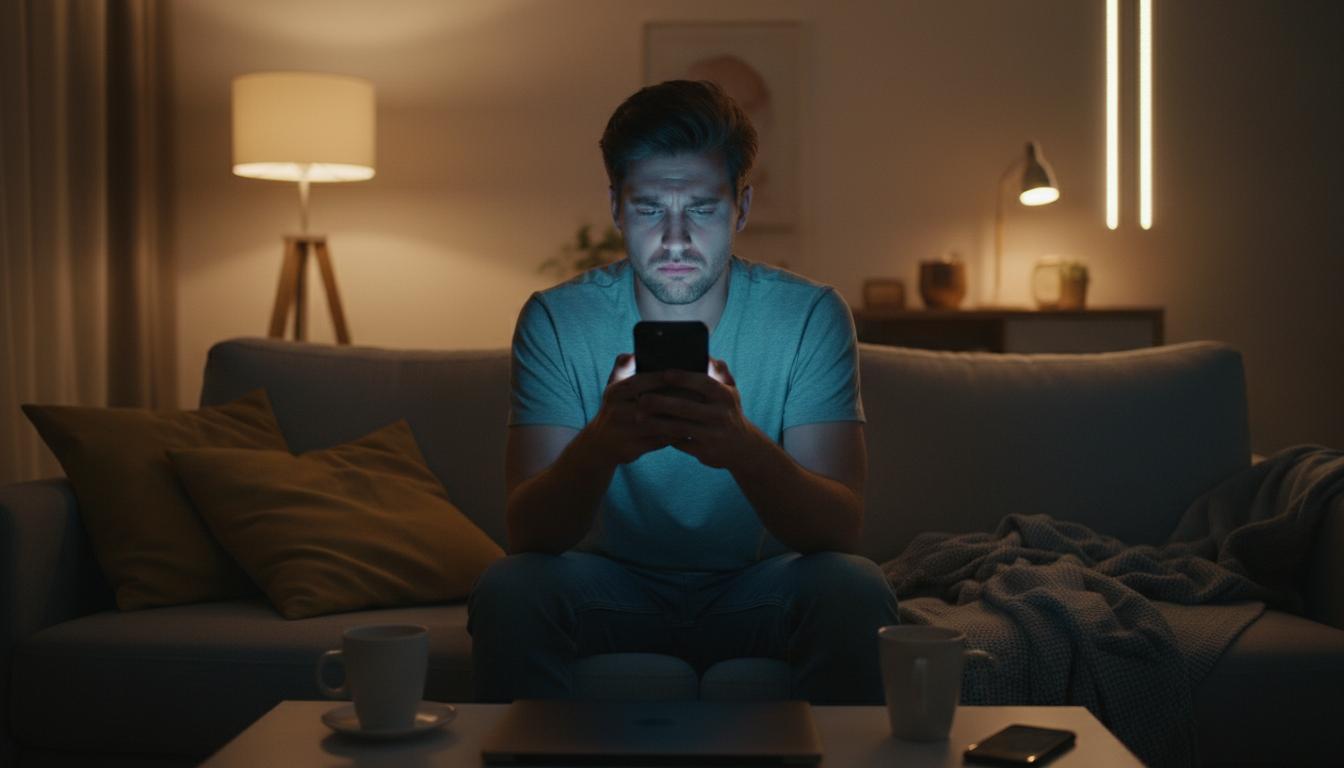
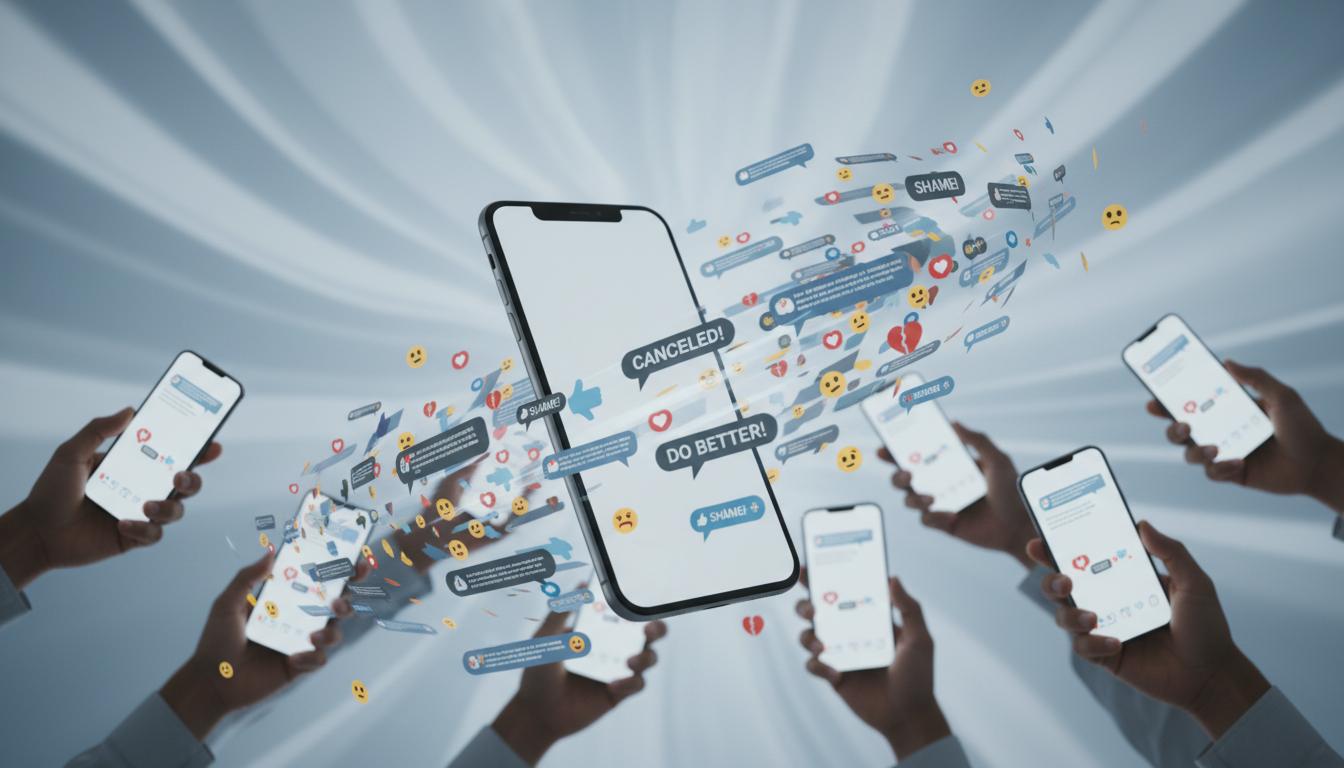
Figure 1: Late-night scrolling has become a common habit affecting sleep and mental health
One of the most damaging aspects of Instagram is the culture of comparison it fosters. When you scroll through your feed, you are not seeing reality. You are seeing carefully selected moments, filtered images, and curated highlights. Yet our brains process these images as if they were real, creating an impossible standard against which we judge our own lives.
Social comparison theory, first proposed by psychologist Leon Festinger in 1954, suggests that humans have an innate drive to evaluate themselves by comparing their abilities and opinions to others. In the pre-digital age, these comparisons were limited to our immediate social circles. Today, we compare ourselves to millions of people worldwide, including celebrities, influencers, and strangers who appear to have perfect lives.
A study published in the Journal of Social and Clinical Psychology found a direct link between Instagram use and increased symptoms of depression and anxiety, particularly among young women. The researchers concluded that social comparison was a key mediator in this relationship. When we constantly compare our behind-the-scenes to everyone else’s highlight reel, we set ourselves up for disappointment and self-criticism.
The rise of photo editing apps has made this problem even worse. Filters, face-tuning, and body-shaping tools create images that are literally impossible to achieve in real life. Yet many users, especially teenagers, do not realize how heavily edited these images are. They internalize these unrealistic beauty standards and develop poor body image, eating disorders, and low self-esteem.
Your self-esteem is like a garden. It needs nurturing, positive input, and realistic expectations to flourish. Instagram, when used unmindfully, is like a drought that withers this garden. Every time you post a photo and anxiously wait for likes, you are outsourcing your self-worth to the approval of others.
The number of likes has become a metric of social value. A post with many likes makes us feel validated and popular. A post with few likes can trigger feelings of inadequacy and rejection. This external validation creates a fragile sense of self that depends on the fluctuating approval of an online audience.
Teenagers are particularly vulnerable to these effects. Their brains are still developing, and they are in a critical period of identity formation. When their sense of self becomes tied to their online persona, they may struggle to develop authentic identities separate from their digital presence. This can lead to anxiety, depression, and a distorted sense of reality.
How many times have you told yourself you would check Instagram for just five minutes before bed, only to find yourself still scrolling an hour later? This pattern is incredibly common and incredibly harmful. The blue light emitted by our phones suppresses melatonin production, making it harder to fall asleep and reducing sleep quality.
Poor sleep does not just make you tired. It affects your mood, your cognitive function, your immune system, and your overall mental health. Chronic sleep deprivation has been linked to depression, anxiety, weight gain, and even heart disease. When Instagram cuts into your sleep time, it is not just stealing minutes from your night. It is stealing health from your life.
Beyond sleep, constant digital connection leads to what researchers call digital fatigue. Our brains were not designed to process the sheer volume of information, images, and interactions that social media demands. This cognitive overload can leave us feeling drained, distracted, and unable to focus on important tasks.
Ironically, a platform designed to help us connect with others can actually damage our real-world relationships. When you are physically present with friends or family but mentally scrolling through your feed, you are not really there. This phenomenon, known as phubbing (phone snubbing), has been shown to degrade relationship satisfaction and intimacy.
Instagram can also create tension in romantic relationships. Partners may feel jealous or insecure when they see their significant other liking or commenting on attractive people’s photos. The pressure to present a perfect relationship online can lead couples to curate their shared moments rather than simply enjoying them.
Friendships can suffer too. When interactions move primarily to likes and comments, they lose depth and authenticity. The effort required to maintain real friendships, through phone calls, meetups, and meaningful conversations, often takes a backseat to the instant gratification of online interactions.
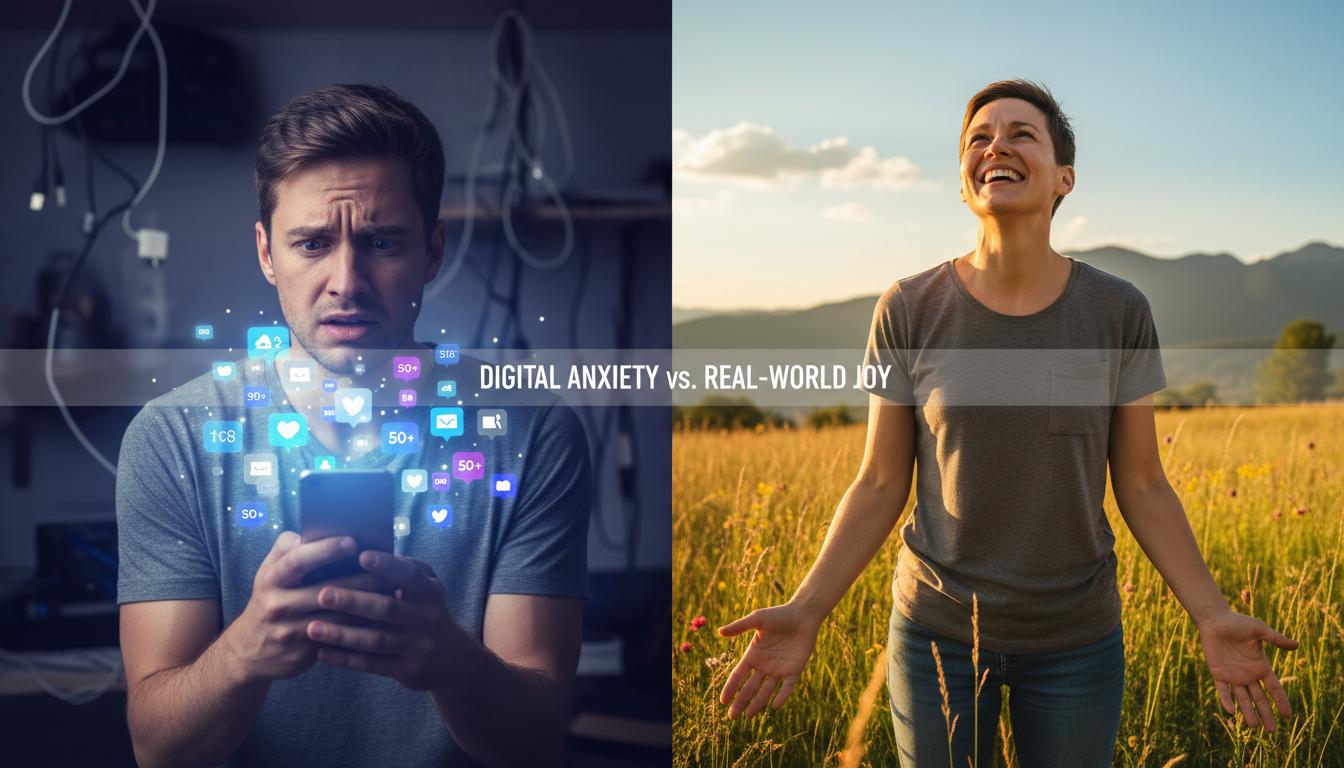
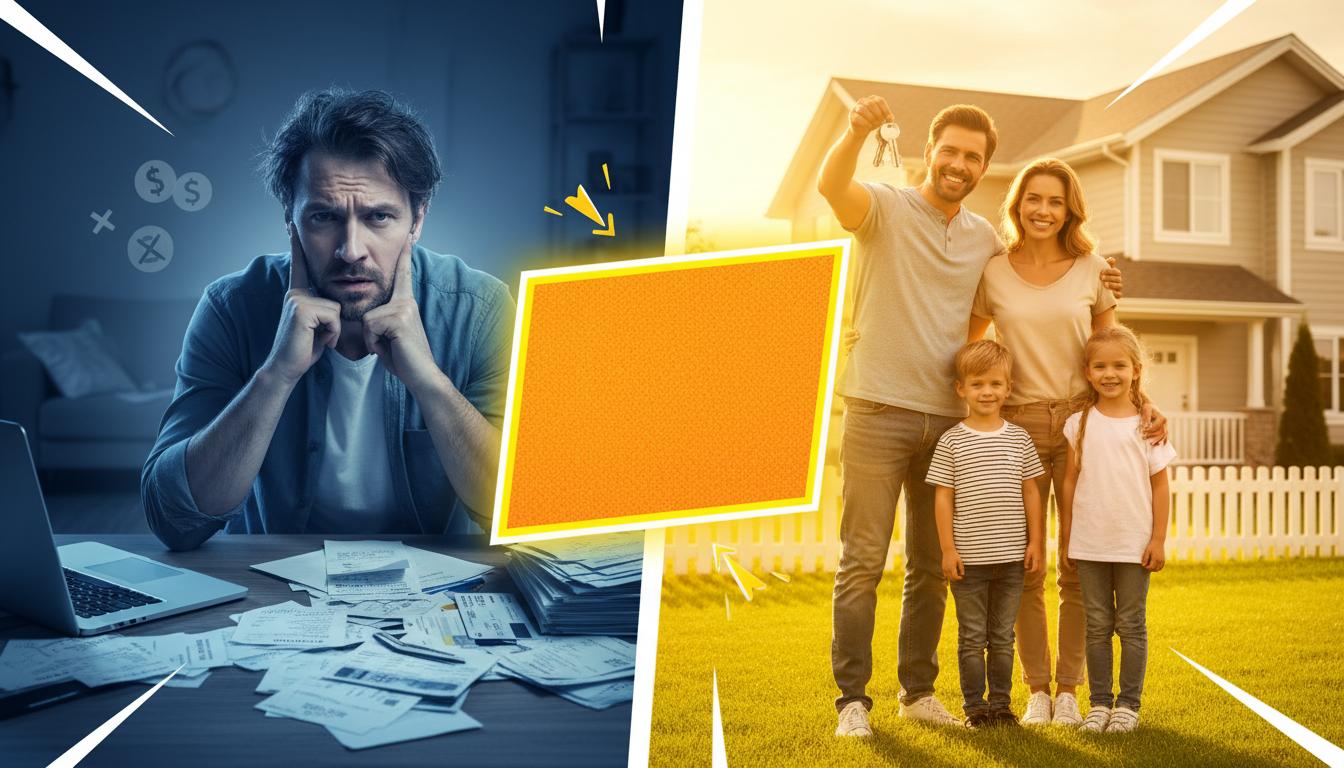
Figure 2: The stark contrast between digital anxiety and real-world joy
Addiction is a strong word, but it is increasingly appropriate for describing many people’s relationship with Instagram. Here are some warning signs that your Instagram use may be problematic:
You check Instagram first thing in the morning and last thing at night. You feel anxious or irritable when you cannot access your phone. You lose track of time while scrolling. You compare yourself unfavorably to people you see on Instagram. You post content primarily for validation through likes and comments. You have trouble enjoying experiences without documenting them for social media. You feel depressed or inadequate after using Instagram.
If several of these statements resonate with you, it may be time to reevaluate your relationship with the platform. The good news is that awareness is the first step toward change. By recognizing these patterns, you can begin to make more conscious choices about how you use social media.
Every time you check Instagram, you are not just losing the time you spend on the app. You are also losing the time it takes to refocus on your original task. Research suggests that it can take up to 23 minutes to fully regain focus after an interruption. If you check Instagram just three times an hour, you are essentially working with a permanently fractured attention span.
This constant context-switching has real consequences for productivity, creativity, and deep thinking. The most meaningful work requires sustained attention and flow states that are impossible to achieve when you are constantly checking your phone. Over time, this can affect your career, your personal projects, and your sense of accomplishment.
The goal is not necessarily to quit Instagram entirely, though some people may find that necessary. For most, the goal is to develop a healthier, more intentional relationship with the platform. Here are some strategies that can help:
Set specific times for checking Instagram rather than accessing it constantly throughout the day. Use the built-in screen time tracking features on your phone to become aware of how much time you are actually spending on the app. Consider deleting the app from your phone and only accessing it through a web browser, which is less convenient and therefore less tempting. Turn off all non-essential notifications so you are not constantly pulled back into the app.
Create phone-free zones and times in your life. The dinner table, the bedroom, and the first hour after waking are good places to start. These boundaries protect important aspects of your life from digital intrusion.
Mindfulness is about being present and intentional with your actions. Applied to Instagram, this means asking yourself why you are opening the app before you do it. Are you bored? Anxious? Procrastinating? Understanding your motivations can help you address the underlying needs rather than using Instagram as a Band-Aid.
When you do use Instagram, do so with full attention. Notice how different types of content make you feel. Unfollow accounts that trigger negative emotions or unhealthy comparisons. Curate your feed to include content that inspires, educates, or genuinely entertains you. Remember that you are in control of what you consume.
Practice posting from a place of authenticity rather than seeking validation. Share things because they matter to you, not because you think they will get likes. The more you can separate your self-worth from your online engagement, the healthier your relationship with social media will be.

Figure 3: Finding balance through mindful social media use and digital wellness practices
One of the most powerful antidotes to the negative effects of Instagram is investing in real-world relationships. Make time for face-to-face interactions with friends and family. Engage in activities that do not involve screens. Join clubs, take classes, volunteer, or pursue hobbies that connect you with people in your community.
These real-world connections provide the deep social bonds that Instagram can only simulate. They offer genuine support, shared experiences, and the kind of presence that no digital platform can replicate. The more you invest in these relationships, the less dependent you will be on online validation.
Many people turn to Instagram to fill a void, whether it is boredom, loneliness, or a lack of purpose in their lives. The solution is not to find a better way to fill that void with social media, but to address the underlying issue. What gives your life meaning? What are you passionate about? What kind of person do you want to be?
When you have clear answers to these questions, Instagram naturally takes its proper place as a tool rather than a central focus. You use it when it serves your goals and values, and you put it away when it does not. Your sense of self comes from your actions, your relationships, and your contributions to the world, not from your online persona.
So, is Instagram ruining your life? The honest answer is: it depends. It depends on how you use it, why you use it, and how aware you are of its effects on your mind and behavior. Instagram is a powerful tool that can connect us, inspire us, and even help us build businesses and communities. But it is also a carefully engineered attention trap that can erode our mental health, damage our relationships, and steal our time.
The key is intentionality. Use Instagram on your terms, not on its terms. Set boundaries, practice mindfulness, and regularly assess whether your social media use aligns with your values and goals. Remember that every minute you spend scrolling is a minute you are not spending on something else. Make sure that trade-off is worth it.
Digital wellness is not about rejecting technology. It is about using technology in ways that support our wellbeing rather than undermine it. It is about being the author of our own lives rather than characters in a story written by algorithms. You have the power to change your relationship with Instagram. Start today.
Your life is happening right now, in the real world, with all its messiness and beauty and possibility. Do not let a screen convince you that it is less valuable than the filtered version you see online. You are enough, exactly as you are, with or without the likes.
It is worth noting that the impact of Instagram varies significantly across generations. For those who remember life before social media, Instagram may feel like a useful addition to an already full life. But for younger generations who have never known a world without constant digital connection, the effects can be more profound and harder to recognize.
Teenagers today face pressures that previous generations never imagined. The need to maintain an online persona, the fear of missing out on events that are broadcast in real-time, and the constant exposure to edited images create a unique set of challenges. Parents and educators must help young people develop the critical thinking skills and emotional resilience needed to navigate this landscape.
This generational divide also affects how we communicate and relate to one another. Older adults may find themselves frustrated by younger people’s apparent addiction to their phones. Younger people may feel misunderstood when their elders dismiss the real social and emotional significance of their online interactions. Bridging this gap requires empathy and open dialogue from both sides.
To truly understand Instagram’s impact, we must recognize that your attention is the product being sold. Advertisers pay billions of dollars to reach Instagram users, and the platform’s entire business model depends on keeping you engaged for as long as possible. Every feature, every notification, every algorithmic recommendation is designed with this goal in mind.
This is not necessarily evil or conspiratorial. It is simply how the platform makes money. But understanding this dynamic can help us approach Instagram with appropriate skepticism. When you recognize that the platform benefits from your addiction, you can make more conscious choices about when and how to engage.
Some users are choosing to support alternative platforms or business models that do not rely on advertising and engagement metrics. Others are advocating for regulation that would require social media companies to prioritize user wellbeing over profits. While systemic change may be slow, individual awareness is the first step toward collective action.
Countless people have transformed their lives by changing their relationship with Instagram. Some have quit entirely, deleting their accounts and never looking back. Others have dramatically reduced their usage, checking in only occasionally rather than constantly. The common thread among these success stories is a renewed sense of presence, peace, and purpose.
Former heavy users often report improved sleep, better focus, deeper relationships, and increased creativity. They describe feeling more connected to their immediate surroundings and less anxious about how their lives appear to others. Many say they initially feared missing out but eventually realized they were gaining so much more than they lost.
These stories are not about demonizing technology or returning to some imagined pre-digital paradise. They are about finding balance, setting boundaries, and using technology as a tool rather than letting it use you. They remind us that change is possible and that the benefits of a healthier relationship with social media are real and significant.
Take the first step today. Check your screen time, set a limit, and reclaim one hour of your life from Instagram. Your future self will thank you.