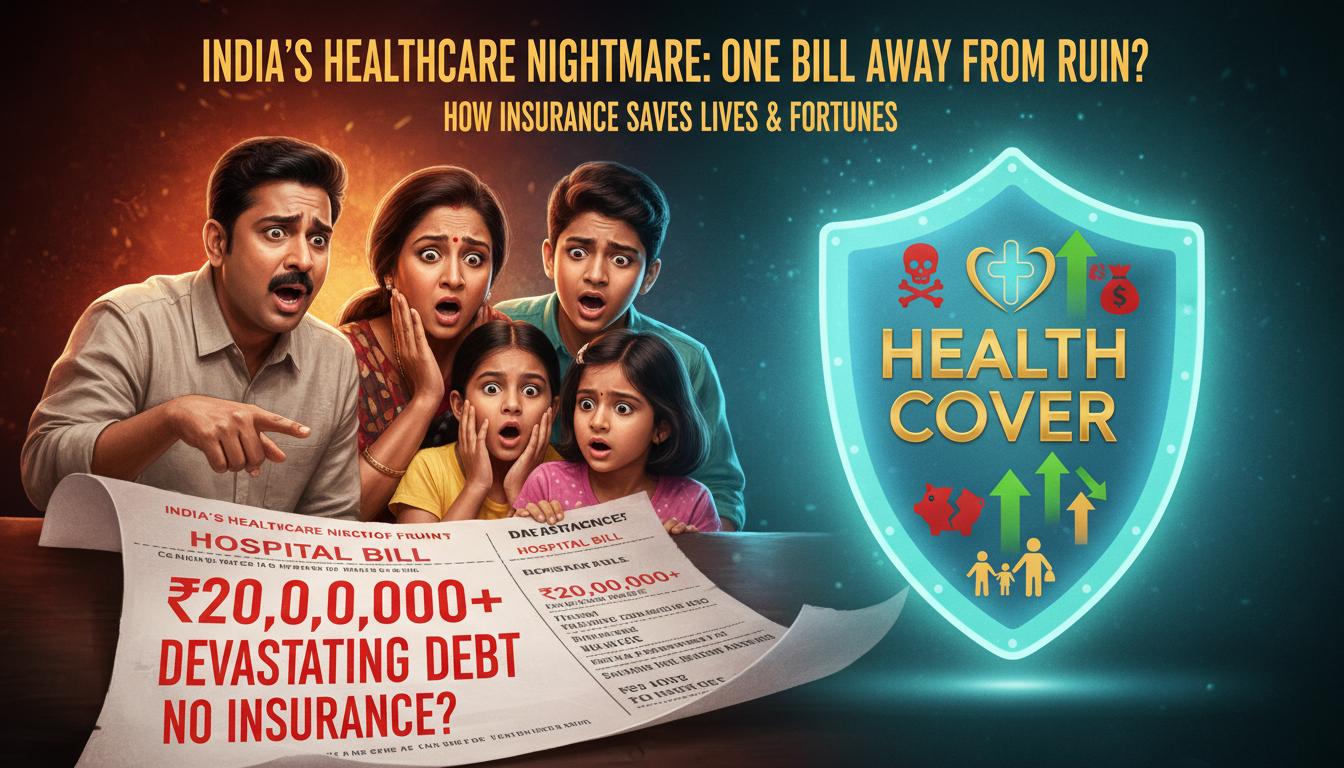
Picture this: Rajesh, a 42-year-old marketing manager from Mumbai, walked into a hospital for what he thought was a routine check-up. A few tests later, he was diagnosed with a heart condition that required immediate surgery. The bill? A staggering Rs. 8 lakhs. Without health insurance, Rajesh would have emptied his savings, borrowed from relatives, or worse, delayed the treatment altogether.
Rajesh’s story is not unique. It is happening to millions of Indian families every single day. The harsh reality is that healthcare costs in India are skyrocketing at an alarming rate, and most families are just one medical emergency away from financial disaster. This is exactly why health insurance has transformed from a ‘nice-to-have’ luxury to an absolute necessity for every Indian household.
In this comprehensive guide, we will explore why health Insurance is becoming essential in India, backed by real data, expert insights, and the hard truths about our healthcare system. Whether you are young and healthy, raising a family, or planning for retirement, this article will show you why getting health insurance should be your top priority right now.
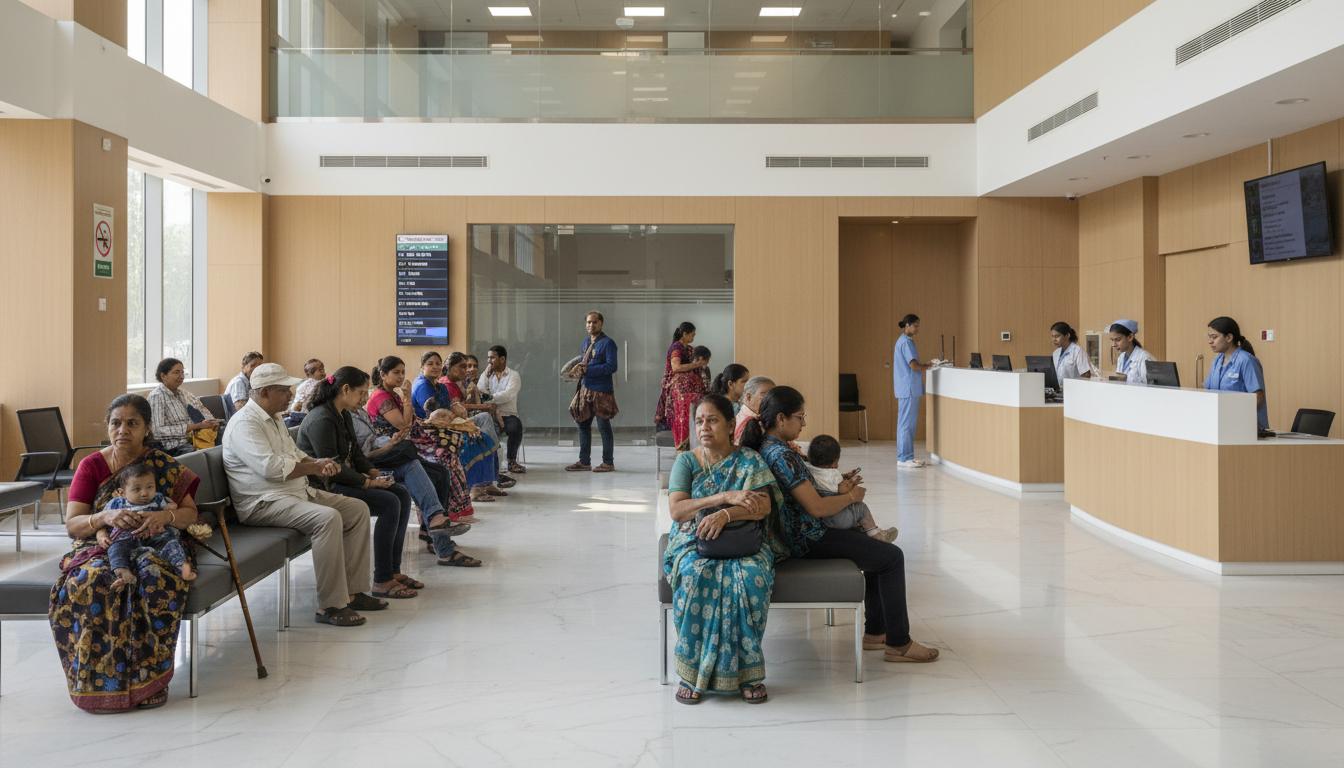
Modern healthcare facilities are becoming increasingly expensive
The Medical Inflation Crisis: Why Your Savings Are Not Enough
Let us start with some eye-opening numbers. Medical inflation in India is currently running at a shocking 12-14% per year, which is the highest in all of Asia. To put this in perspective, while general inflation hovers around 5-6%, healthcare costs are rising more than twice as fast. What does this mean for you? A treatment that costs Rs. 5 lakhs today could easily cost Rs. 10 lakhs or more within the next five to six years.
Here is a simple example to understand the impact: If your blood pressure medicine cost Rs. 500 last year, it is now Rs. 570. Multiply that across all the medicines your family needs, add doctor consultations, diagnostic tests, and potential hospitalization costs, and you are looking at a financial burden that can spiral out of control very quickly.
The Out-of-Pocket Nightmare
Perhaps the most alarming statistic is this: approximately 62% of all healthcare expenses in India are still paid directly by patients out of their own pockets. This is one of the highest rates in the world. What this means is that when illness strikes, most Indian families are digging into their savings, selling assets, or taking loans to pay for treatment.
Even more disturbing is the fact that around 23% of families in India borrow money to pay hospital bills. That means nearly one in four families goes into debt just to afford medical treatment. This debt trap can take years, sometimes decades, to escape from, pushing families into a cycle of financial instability that affects everything from children’s education to retirement planning.
Hospital Bills Are Getting Out of Control
Walk into any private hospital in a major Indian city today, and you will quickly realize how expensive healthcare has become. A simple appendix surgery can cost anywhere between Rs. 1.5 to 3 lakhs. A heart bypass surgery? That can set you back by Rs. 4 to 8 lakhs. Cancer treatment costs can easily run into tens of lakhs, depending on the type and stage of cancer.
And it is not just the major surgeries. Even routine procedures have become expensive. A normal delivery in a good private hospital can cost Rs. 50,000 to 1 lakh. A cataract surgery ranges from Rs. 30,000 to 80,000. Diagnostic tests like MRI scans cost Rs. 8,000 to 15,000. When you add it all up, the financial burden on an average middle-class family is simply unsustainable without insurance protection.
The Lifestyle Disease Epidemic
If you think you are too young or too healthy to worry about health insurance, think again. India is experiencing an explosion of lifestyle diseases that are affecting people at much younger ages than ever before. Diabetes, hypertension, heart disease, and obesity-related conditions are no longer problems reserved for the elderly.
Consider these facts: India is now known as the diabetes capital of the world, with over 77 million people living with diabetes. Heart disease has become the leading cause of death in India, claiming more lives than any other condition. About 35% of Indian families report having at least one member dealing with a chronic condition that requires ongoing medical care and medication.
The Cost of Chronic Care
What makes chronic diseases particularly dangerous from a financial perspective is that they require lifelong management. Take diabetes, for example. A diabetic patient needs regular medicines, frequent blood sugar monitoring, quarterly doctor visits, annual eye check-ups, and periodic tests for kidney function and other complications. The monthly cost can easily range from Rs. 3,000 to 8,000, which adds up to Rs. 36,000 to 96,000 per year.
And that is just for routine management. If complications develop, and they often do without proper care, the costs multiply dramatically. Diabetes-related complications like kidney disease, heart problems, or foot ulcers can require hospitalization, surgeries, and specialized treatments that cost lakhs of rupees.
Young India Is Not Immune
There is a dangerous misconception that young people do not need health Insurance. The data tells a very different story. Stress, sedentary lifestyles, unhealthy eating habits, and lack of exercise are causing health problems to appear in people in their 20s and 30s. Conditions that were once seen in people over 50 are now common in people in their 30s.
This is why financial experts and healthcare professionals strongly recommend getting health insurance as early as possible. When you are young and healthy, premiums are significantly lower, and you can lock in better coverage before any health issues develop. Waiting until you are older or until a health problem appears can make insurance much more expensive or even unavailable for certain conditions.
India’s Health Insurance Revolution
The good news is that Indians are waking up to the importance of health insurance. The numbers tell an incredible story of growth and transformation. India’s health insurance sector has been growing at an impressive rate, with total premiums exceeding Rs. 1.2 lakh crore (approximately US$ 12.98 billion) in the financial year 2024-25. This represents a growth rate of over 9% from the previous year.
To understand how dramatic this growth is, consider this: just ten years ago, in 2014-15, the total health insurance premium was only Rs. 20,096 crore. Today, it has grown nearly six times larger. Health insurance has now become the single largest segment within non-life insurance, contributing a massive 41.42% of all gross direct premiums in 2024-25.
More Lives Covered Than Ever Before
The reach of health insurance is expanding rapidly. In 2024-25, Indian health insurance companies issued 2.65 crore health policies, covering an impressive 58.20 crore lives. This is double the number from 2014-15, showing how insurance penetration is increasing across the country. More and more families are recognizing that health insurance is not an expense but an investment in their financial security.
The market is projected to continue its explosive growth. According to industry analysts, the India health insurance market is expected to grow at a compound annual growth rate (CAGR) of nearly 21% from 2025 to 2030. By 2030, the market size could reach USD 46.37 billion, making it one of the fastest-growing insurance markets in the world.
Tier-2 and Tier-3 Cities Leading the Way
One of the most encouraging trends is the growth of health insurance in smaller cities and towns. Tier-2 and Tier-3 cities now account for 62% of all new health insurance policies, up from 54% just a few years ago. This shows that the awareness and demand for health insurance is spreading beyond the major metropolitan areas.
What is particularly interesting is that customers in these smaller towns are opting for higher coverage amounts. Policies with sum insured between Rs. 10 lakh and Rs. 15 lakh have become increasingly popular, rising from 27% of sales to 47% in Tier-2 cities. This indicates that people across India are becoming more aware of the true cost of healthcare and are seeking adequate protection.
Government Support and Regulatory Reforms
The Indian government and regulatory authorities have been taking significant steps to make health insurance more accessible and beneficial for citizens. The Insurance Regulatory and Development Authority of India (IRDAI) has implemented several reforms that are transforming the industry for the better.
Faster Claims Settlement
One of the biggest concerns people have about health insurance is the claims process. IRDAI has addressed this by putting in place strict timelines for cashless settlement of claims. Approvals for pre-authorization are now mandatory within one hour, and final authorization must be completed within three hours. This means less waiting and less stress when you or your loved ones need medical care.
The results are already visible. The claims paid ratio has improved to 87.50% in FY 2024-25, meaning that the vast majority of claims are being honored by insurance companies. Additionally, out of over 1.37 lakh grievances filed, almost 93% were settled in the same financial year, showing that the system is becoming more responsive to customer needs.
GST Relief for Individual Policies
In a major move to encourage individual health insurance adoption, the GST rate on individual health insurance premiums was reduced to zero effective September 2025. This makes individual health insurance more affordable and is expected to give a significant boost to this segment, which currently accounts for just 10.3% of the overall business.
Ayushman Bharat: Protection for the Vulnerable
On the public health insurance front, the Ayushman Bharat scheme continues to provide crucial coverage to millions of underprivileged families. This flagship program offers health coverage of up to Rs. 5 lakhs per family per year for secondary and tertiary care hospitalization. It is the world’s largest government-funded healthcare program, covering over 50 crore beneficiaries.
The government has also announced plans to launch Bima Sugam, a consumer-centric portal that aims to create a more integrated, digital, and consumer-friendly insurance marketplace. This platform will make it easier for people to compare policies, understand their benefits, and make informed decisions about their health insurance needs.
The Changing Mindset: From Expense to Investment
Perhaps the most significant change happening in India is the shift in how people perceive health Insurance. It is no longer seen as just another expense or a tax-saving tool. Increasingly, Indians are recognizing health insurance as a critical financial investment that protects their savings, their family’s future, and their peace of mind.
The COVID-19 pandemic was a major wake-up call for millions of families. It exposed how quickly medical expenses can spiral out of control and how vulnerable uninsured families are to financial shocks. Post-pandemic, there has been a marked increase in health insurance awareness and adoption across all age groups and income levels.
Employer Coverage Is Not Enough
Many people believe that the group health insurance provided by their employer is sufficient. While employer coverage is definitely valuable, it often has significant limitations. Most group policies only cover hospitalization, leaving out expenses like doctor consultations, diagnostic tests, and medicines. Additionally, if you change jobs or retire, you lose that coverage.
This is why financial experts recommend having your own individual or family health insurance policy in addition to any employer-provided coverage. Your personal policy stays with you regardless of your employment status and can be tailored to your specific needs and health conditions.
The Rising Middle Class and Healthcare Awareness
India’s growing middle class is playing a major role in driving health insurance adoption. As disposable incomes rise and education levels improve, more families are prioritizing healthcare and financial protection. The proportion of India’s middle class is projected to reach 61% of the total population by 2047, up from 31% in 2020-21.
Urbanization is also contributing to this trend. As more people move to cities, they gain better access to information about healthcare risks and the benefits of insurance. They also have greater exposure to private hospitals and organized healthcare services, which creates stronger demand for comprehensive insurance coverage.

Health insurance brings peace of mind to families across India
How to Choose the Right Health Insurance Plan
Now that you understand why health insurance is essential, the next question is: how do you choose the right plan? With so many options available in the market, making the right choice can seem overwhelming. Here are the key factors to consider when selecting a health insurance plan for yourself and your family.
Adequate Coverage Amount
The first and most important factor is the coverage amount, also known as the sum insured. Given the rising cost of healthcare, experts recommend a minimum coverage of Rs. 10-15 lakhs for individuals and Rs. 20-25 lakhs for families. If you live in a metro city where healthcare costs are higher, consider even higher coverage.
Remember, it is better to have slightly more coverage than you think you need, because medical inflation will continue to push costs higher. A treatment that seems expensive today will be even more costly a few years from now.
Network Hospitals
Check the list of network hospitals associated with the insurance company. Ensure that good hospitals in your city are included in the network. The wider the network, the more options you have for cashless treatment. Also, check if the network includes hospitals that specialize in treatments you might need based on your family medical history.
Coverage for Pre-Existing Conditions
If you or any family member has a pre-existing medical condition, pay close attention to the waiting period for coverage. Most policies have a waiting period of 2-4 years for pre-existing conditions. Some specialized plans offer shorter waiting periods or immediate coverage for certain conditions, though these may come at a higher premium.
Additional Benefits and Riders
Modern health insurance plans come with various add-ons and riders that can enhance your coverage. Common options include critical illness cover, which provides a lump sum payment upon diagnosis of serious conditions like cancer or heart disease; maternity cover for pregnancy-related expenses; and outpatient department (OPD) cover for doctor consultations and medicines.
Choose add-ons based on your specific needs and life stage. For example, young couples planning a family might prioritize maternity cover, while those with a family history of critical illnesses might focus on critical illness riders.
Claim Settlement Ratio
Always check the insurance company’s claim settlement ratio before buying a policy. This ratio indicates the percentage of claims the company has settled out of the total claims received. A higher ratio (above 90%) indicates a more reliable insurer. Also, look at the company’s grievance redressal record to understand how they handle customer complaints.
The Time to Act Is Now
The evidence is clear and overwhelming. Medical costs in India are rising at an unsustainable rate. Lifestyle diseases are affecting more people at younger ages. A single hospitalization can wipe out years of savings and push families into debt. In this environment, health insurance is not a luxury, it is a necessity.
The good news is that the Indian health insurance market has never been more vibrant or customer-friendly. With dozens of plans to choose from, competitive premiums, faster claims processing, and regulatory protections, there has never been a better time to get insured.
Do not wait for a health emergency to strike before thinking about insurance. By then, it may be too late. Pre-existing conditions can make it difficult or expensive to get coverage. The best time to buy health insurance is when you are young and healthy, when premiums are lowest and coverage options are widest.
Think of health insurance as a shield that protects not just your health, but your entire financial future. It protects your savings, your dreams, your children’s education, and your retirement plans. It gives you the peace of mind to live your life without constantly worrying about what will happen if illness strikes.
So take action today. Research your options, compare plans, and choose a policy that fits your needs and budget. Talk to insurance advisors, read the fine print, and make an informed decision. Your future self and your family will thank you for it.
Remember, in the game of life and health, it is always better to have insurance and not need it than to need it and not have it. Do not let one hospital bill destroy everything you have worked so hard to build. Get insured, stay protected, and live with confidence.
Key Insurance: With medical inflation at 12-14% annually and 62% of healthcare expenses paid out-of-pocket, health insurance is no longer optional in India. It is the most important financial protection you can have for yourself and your family. Do not wait. Get insured today.