
Jansewa Desk: Life can be unpredictable. One day you’re managing your finances just fine, and the next, an unexpected job loss, medical emergency, or family crisis throws everything off balance. Before you know it, you’ve missed a loan payment. Then another. And suddenly, you’re facing something that keeps many people awake at night: loan default.
If you’re reading this, you might be worried about defaulting on a loan, or perhaps you’re already in that situation and wondering what comes next. Take a deep breath. While defaulting on a loan is serious, it’s not the end of the world. Understanding what happens when you default on a loan is the first step toward taking control of your financial situation and finding a path forward.
In this comprehensive guide, we’ll walk you through everything you need to know about loan default in simple, easy-to-understand language. We’ll explain what default means, how the process works, what consequences you can expect, and most importantly, what steps you can take to minimize the damage and get back on track.
What Does It Mean to Default on a Loan?
Let’s start with the basics. When you take out a loan whether it’s a personal loan, car loan, student loan, or mortgage you sign a legal agreement promising to repay the borrowed money according to specific terms. These terms include how much you’ll pay each month, when payments are due, and how long you have to pay off the entire loan.
Defaulting on a loan means you’ve failed to meet these agreed-upon terms, typically by missing multiple payments. But here’s something important to understand: there’s a difference between being delinquent and being in default.
Delinquency vs. Default: Understanding the Timeline
Delinquency begins the moment you miss a payment. Even being one day late technically makes your loan delinquent. However, most lenders offer a grace period usually 10 to 15 days before they charge a late fee. During this delinquency period, you still have time to catch up without facing the most serious consequences.
Default, on the other hand, is a more serious status that occurs after you’ve been delinquent for an extended period. For most personal loans and credit cards, default typically happens after you’ve missed payments for 90 to 180 days. For federal student loans, the timeline is longer you generally won’t be considered in default until you’ve missed payments for 270 days (about nine months).
Here’s a simple breakdown of what typically happens:
- Days 1-15: You’ve missed a payment but are likely still in the grace period. A late fee may apply.
- Days 16-30: Your loan is officially delinquent. The lender may report this to credit bureaus.
- Days 31-90: Your credit score begins to drop significantly. Collection calls may start.
- Days 90+: Your loan enters default status. Serious consequences begin.
The Consequences of Loan Default: What Really Happens
Now let’s talk about what actually happens when you default on a loan. The consequences can vary depending on the type of loan you have, but there are several common outcomes that most borrowers face.
1. Severe Damage to Your credit score
Perhaps the most immediate and significant consequence of loan default is the damage to your credit score. Your payment history makes up about 35% of your credit score, making it the single most important factor. When you default on a loan, it sends a strong negative signal to lenders that you may not be reliable when it comes to repaying debt.
A single default can cause your credit score to drop by 100 points or more. The higher your score was before the default, the more points you’re likely to lose. This damage doesn’t go away quickly, either. A default will remain on your credit report for seven years from the date of the first missed payment, even if you eventually pay off the debt.
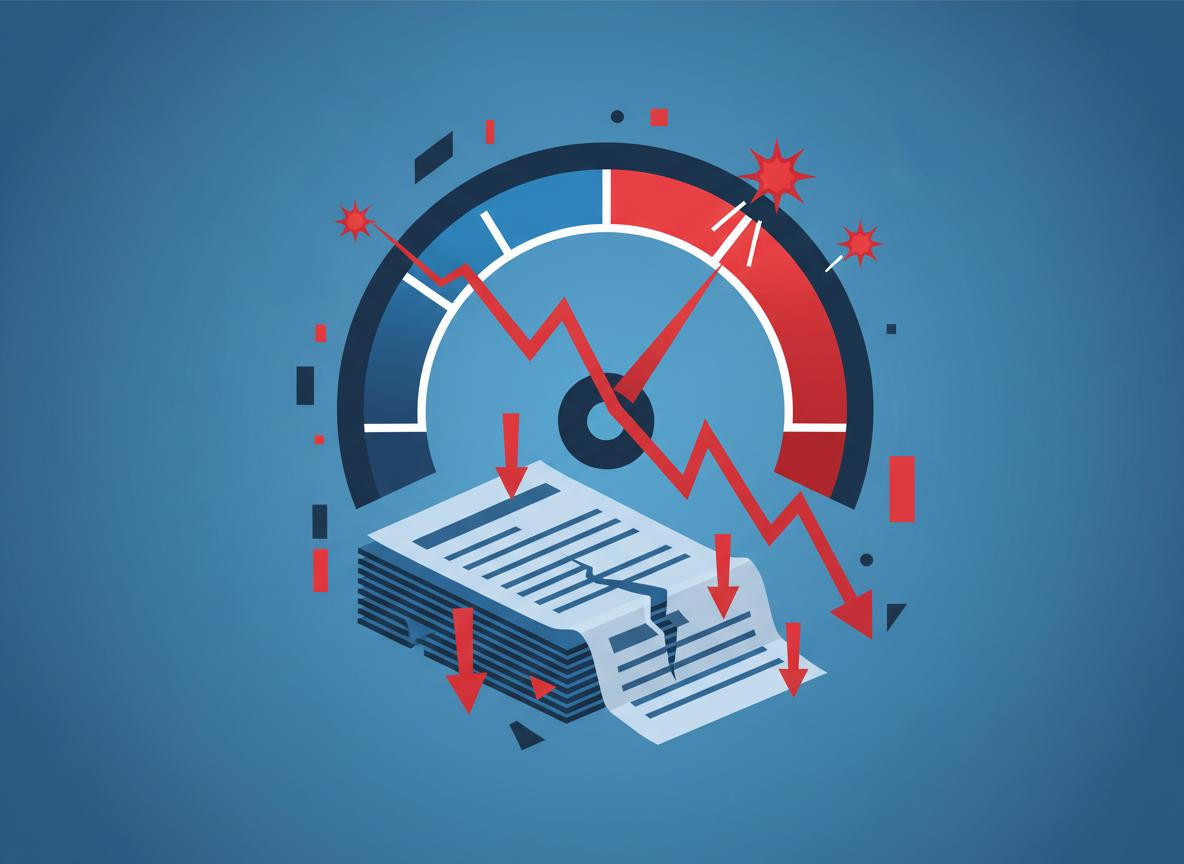
Figure 1: How loan default impacts your credit score and financial reputation
2. Debt Collection Efforts
Once your loan enters default, your lender will ramp up their efforts to collect the money you owe. This typically begins with increased communication phone calls, emails, and letters demanding payment. If these efforts don’t work, the lender may take more serious steps.
Many lenders will send your account to a collections department or sell your debt to a third-party collection agency. These agencies are known for being persistent, and you may receive frequent calls and letters. While there are laws protecting you from harassment, dealing with debt collectors can be stressful and overwhelming.
It’s important to know your rights under the Fair Debt Collection Practices Act (FDCPA). Debt collectors cannot threaten you with arrest, use abusive language, call you at unreasonable hours, or discuss your debt with others. If a collector violates these rules, you can file a complaint with the Consumer Financial Protection Bureau.
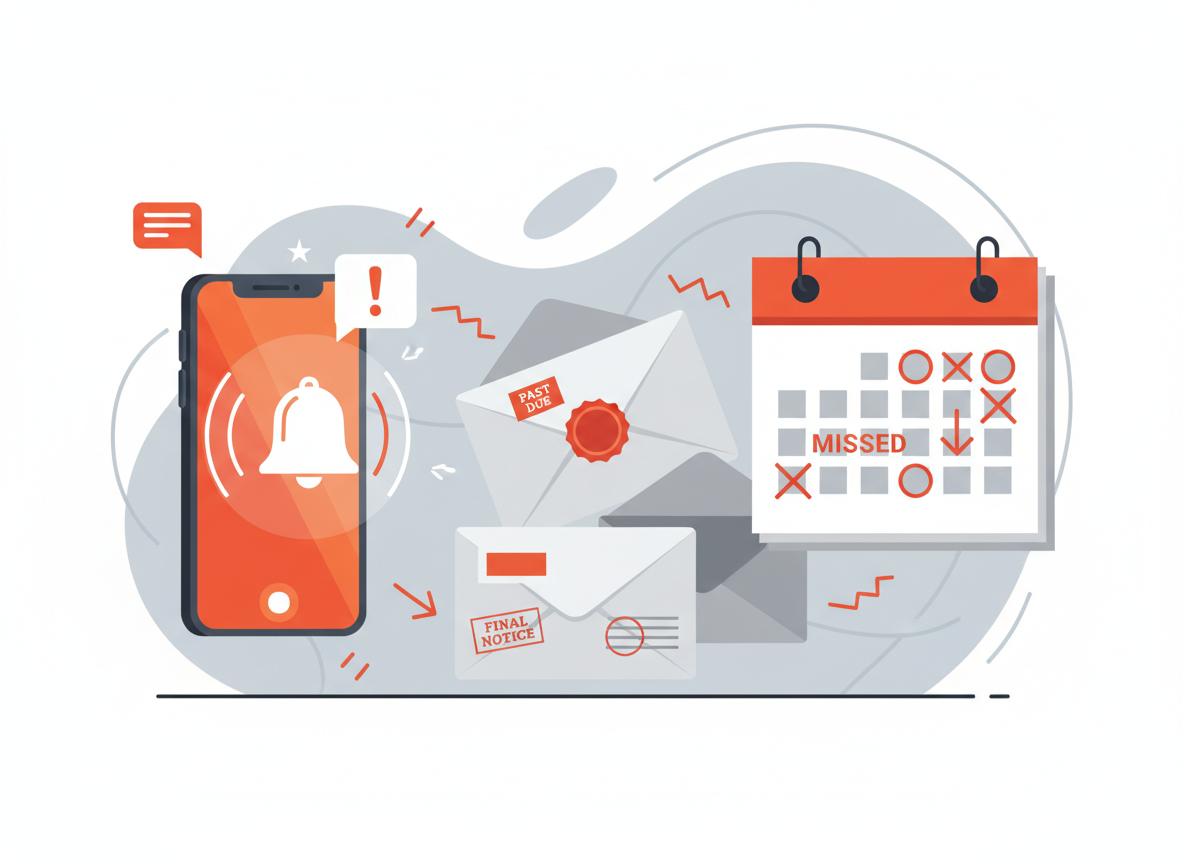
Figure 2: Debt collection efforts intensify after loan default
3. Legal Action and Wage Garnishment
If debt collection efforts fail, lenders may take legal action against you. They can file a lawsuit to recover the money you owe. If the court rules in their favor, they may be able to garnish your wages meaning money is automatically deducted from your paycheck to repay the debt.
For federal student loans, the government has additional collection powers. They can garnish your wages without a court order, withhold your tax refunds, and even reduce your Social Security benefits. These are called “involuntary collections,” and they can continue until your debt is paid off or you get out of default.
4. Loss of Collateral (For Secured Loans)
If your loan is secured meaning you put up collateral like a car or house the lender has the right to seize that asset when you default. For auto loans, this means repossession. The lender can take your car, sell it at auction, and use the proceeds to pay off your loan. If the sale doesn’t cover the full amount you owe, you may still be responsible for the remaining balance.
For mortgages, default can lead to foreclosure. The lender can take possession of your home, evict you, and sell the property to recover their money. Foreclosure is one of the most devastating consequences of loan default, as it not only affects your finances but also your living situation.
5. Difficulty Obtaining Future Credit
A loan default doesn’t just affect your current situation it can haunt you for years to come. With a default on your credit report, you’ll find it much harder to qualify for new loans, credit cards, or mortgages. When you are approved, you’ll likely face much higher interest rates and less favorable terms.
The impact goes beyond borrowing. Landlords often check credit reports when evaluating rental applications, so a default could make it harder to rent an apartment. Some employers also review credit history as part of the hiring process, particularly for positions that involve handling money or sensitive information.
How to Avoid Loan Default: Prevention Strategies
The best way to deal with loan default is to avoid it in the first place. Here are some practical strategies to help you stay on top of your loan payments and protect your financial health.
Communicate with Your Lender Early
If you’re struggling to make payments, don’t wait until you’ve already missed several. Contact your lender as soon as you anticipate a problem. Many lenders offer hardship programs that can temporarily reduce or suspend your payments. They’d rather work with you than have you default, so don’t be afraid to reach out.
Explore Repayment Options
Depending on the type of loan you have, there may be alternative repayment options available. Federal student loans, for example, offer income-driven repayment plans that cap your monthly payments at a percentage of your income. Some private lenders also offer forbearance or deferment options that can give you temporary relief.
Create a Budget and Emergency Fund
Having a solid budget helps ensure you always have enough money set aside for loan payments. Track your income and expenses, and prioritize your loan payments as essential expenses. Building an emergency fund with three to six months of living expenses can also provide a safety net if you face unexpected financial challenges.
Consider Debt Consolidation
If you have multiple loans with high interest rates, consolidating them into a single loan with a lower rate could reduce your monthly payments and make them more manageable. Just be sure to read the terms carefully and understand that extending your repayment period could mean paying more interest over time.
What to Do If You’ve Already Defaulted
If you’re already in default, don’t panic. While the situation is serious, there are steps you can take to start repairing the damage and get back on track.
For Federal Student Loans
Federal student loan borrowers have several options for getting out of default:
- Loan Rehabilitation: Make nine on-time payments over ten months, and your loan will be brought out of default. The default will be removed from your credit report, though late payments will still appear.
- Loan Consolidation: Combine your defaulted loans into a new Direct Consolidation Loan. This gets you out of default immediately, though the default stays on your credit report.
- Full Repayment: Pay off the entire loan balance in full. This is the fastest way out of default but is often not feasible for borrowers already struggling financially.
For Other Types of Loans
For personal loans, auto loans, and mortgages, your options may be more limited, but you still have choices:
- Negotiate a Settlement: You may be able to settle your debt for less than the full amount owed. This typically requires a lump-sum payment and will still negatively impact your credit.
- Work with a Credit Counselor: Nonprofit credit counseling agencies can help you create a debt management plan and negotiate with creditors on your behalf.
- Consider Bankruptcy: In extreme cases, bankruptcy may be an option. While it has serious long-term consequences, it can provide a fresh start if you’re overwhelmed by debt.
Taking Control of Your Financial Future
Defaulting on a loan is undoubtedly a challenging experience, but it doesn’t define your financial future. By understanding what happens when you default on a loan and taking proactive steps to address the situation, you can begin to rebuild your credit and regain your financial footing.
Remember, the key is to act quickly and communicate openly with your lenders. Whether you’re trying to avoid default or recover from one, there are resources and options available to help you. Don’t be afraid to seek professional advice from credit counselors or financial advisors who can guide you through the process.
Your financial journey is a marathon, not a sprint. A loan default is a setback, but with patience, discipline, and the right strategies, you can overcome it and build a stronger financial foundation for the future.