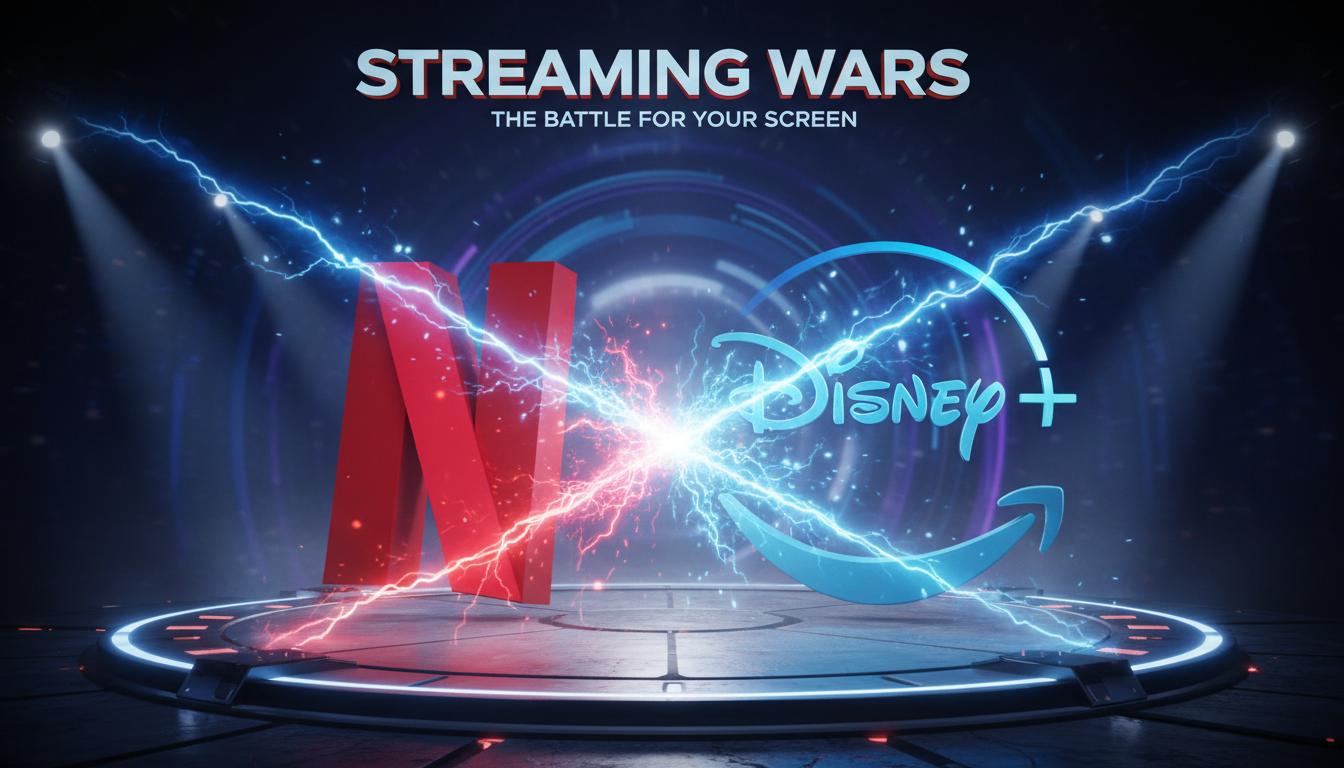
Remember when watching a movie meant driving to a video store or waiting for your favorite show to air on cable TV? Those days feel like ancient history now. Today, the battle for your entertainment dollars is being fought on a completely different battlefield – your smartphone, tablet, smart TV, and laptop. The streaming wars have transformed how we consume content, and three giants stand at the forefront of this revolution: Netflix, Disney+, and Amazon Prime Video.
As of 2025, Netflix leads the pack with over 300 million global subscribers, generating a staggering $41.5 billion in annual revenue. But do not count out the competition. Amazon Prime Video boasts approximately 200 million subscribers who get the service bundled with their Prime membership, while Disney+ has grown to roughly 150 million subscribers and continues to gain ground. The numbers tell an interesting story – one where the traditional leader is facing its toughest challenge yet.
Netflix: The Pioneer Under Pressure
Netflix practically invented the modern streaming industry. What started as a DVD-by-mail service has evolved into a global entertainment powerhouse that produces some of the most talked-about shows on the planet. From “Stranger Things” to “The Witcher,” from “Squid Game” to “The Crown,” Netflix has consistently delivered content that gets people talking – and subscribing.
But being first is not always easy. Netflix has faced criticism for canceling popular shows too quickly, leaving devoted fans frustrated. Series like “The OA” and “Mindhunter” were discontinued despite having passionate followings. The company has also raised prices multiple times, with its standard plan now exceeding $15 per month in the United States. These price increases have pushed some budget-conscious viewers to look elsewhere.
However, Netflix has shown it knows how to adapt. The company’s aggressive crackdown on password sharing, which many feared would backfire, actually resulted in a surge of new subscribers. In the fourth quarter of 2024 alone, Netflix added nearly 19 million new subscribers, bringing its global total past the 300 million mark. The introduction of an ad-supported tier has also proven successful, with over 70 million monthly active users now watching with commercials.
Netflix’s global strategy has also been a key differentiator. While Disney+ and Amazon Prime Video have strong presences in major markets, Netflix has invested heavily in local content production around the world. Korean dramas like “Squid Game” and Spanish series like “Money Heist” have become global phenomena, attracting subscribers far beyond their home countries. This international focus gives Netflix a significant advantage as streaming continues to grow in emerging markets like India, Southeast Asia, and Latin America.
Disney+: The Challenger with Unbeatable Content
When Disney+ launched in 2019, many wondered if the traditional entertainment giant could compete in the streaming world. The answer turned out to be a resounding yes. Disney+ has grown faster than almost anyone predicted, and the reason is simple: content that people cannot find anywhere else.
Marvel, Star Wars, Pixar, Disney classics, and National Geographic – these are some of the most valuable entertainment brands in the world, and Disney+ is the only place to stream them. When a new Marvel series drops, fans sign up. When “The Mandalorian” became a cultural phenomenon, subscriptions soared. Disney has mastered the art of using its existing intellectual property to drive subscriber growth.
The numbers back this up. Disney+ now commands a 14% market share in the United States, up two percentage points from the previous year. When combined with Hulu, which Disney also owns, the company controls a combined 26% of the US streaming market – more than either Netflix or Amazon Prime Video individually. Disney’s strategy of bundling Disney+, Hulu, and ESPN+ has also proven effective at keeping customers locked into their ecosystem.
Disney’s approach to content release has also evolved. While Netflix typically drops entire seasons at once for binge-watching, Disney has experimented with weekly releases for its biggest shows. This strategy keeps subscribers engaged for longer periods and generates sustained social media buzz. The company has also been more selective about its content spending, focusing on proven franchises rather than taking risks on unknown properties. This conservative approach may limit creative experimentation, but it has helped Disney+ achieve profitability faster than many analysts expected.
Amazon Prime Video: The Value Champion
Amazon Prime Video plays by different rules than its competitors. For most subscribers, the video service is not a separate purchase – it comes bundled with Amazon Prime membership, which also includes free shipping, Prime Music, Prime Reading, and other benefits. At around $8.99 per month (or less when paid annually), it represents incredible value for money.
But do not mistake “bundled” for “low quality.” Amazon has invested heavily in original programming, producing critically acclaimed hits like “The Boys,” “The Marvelous Mrs. Maisel,” and “Rings of Power.” The company has also made strategic moves into live sports, securing rights to NFL Thursday Night Football and Premier League soccer matches. These live events attract viewers who might not otherwise subscribe to a streaming service.
In 2024, Amazon made a bold move by adding advertisements to all Prime Video viewers, transforming the platform overnight into a massive advertising-supported service. With over 200 million Prime members having video access, this represents the largest single advertising inventory expansion in streaming history. The move shows Amazon is serious about making Prime Video a profitable business, not just a loss leader for its e-commerce empire.
Amazon’s technological infrastructure gives it another significant advantage. The company operates one of the world’s largest cloud computing platforms, AWS, which powers its streaming service with unmatched reliability and speed. This technical foundation allows Amazon to deliver high-quality video to millions of simultaneous viewers without the buffering and downtime issues that sometimes plague smaller competitors. Additionally, Amazon’s recommendation algorithms, honed through years of e-commerce experience, help surface content that keeps viewers engaged and watching longer.
How We Watch Today

Streaming has become the primary way families consume entertainment at home
The Battle Heats Up: What Happens Next?
The streaming wars are entering a new phase. After years of rapid growth, the market is maturing. In the United States, streaming penetration has reached 96% of households, meaning there are not many new customers left to acquire. Growth now comes from taking market share from competitors, not from converting non-streamers.
This has led to what industry experts call “subscription fatigue.” The average US household subscribes to 3-4 streaming services, and many consumers are hitting their limit. When budgets tighten, entertainment subscriptions are often the first to get cut. This has fueled the rise of free, ad-supported streaming services like Tubi and Pluto TV, which have seen explosive growth.
The battle is also moving beyond movies and TV shows. Sports streaming has become a major battleground, with Netflix recently broadcasting an NFL game that drew over 65 million viewers. Live events create urgency and appointment viewing – something that on-demand streaming has traditionally lacked. Expect to see all three platforms invest more heavily in live sports and special events in the coming years.
Content Is Still King
The sheer volume of content available across streaming platforms is staggering
Who Will Win the Streaming Wars?
The honest answer is: probably everyone. The streaming market is big enough to support multiple winners. Netflix will likely remain the largest pure-play streaming service, with its global reach and massive content budget. Disney+ will continue to dominate family entertainment and leverage its unbeatable portfolio of brands. Amazon Prime Video will thrive as a value-added service for the world’s largest e-commerce platform.
What is changing is the balance of power. For years, Netflix and Amazon Prime Video led by a mile, with Disney+ a distant third. That gap is closing. Disney+ and Hulu combined already exceed either Netflix or Prime Video in US market share. As the market matures, we are moving from a duopoly to a more competitive, multi-player ecosystem.
For consumers, this competition is great news. More platforms fighting for your attention means better content, more competitive pricing, and innovative features. The streaming wars may be brutal for the companies involved, but for viewers, it is a golden age of entertainment. So grab your remote, settle onto your couch, and enjoy the show – because the battle for your screen is just getting started.
Looking ahead, the streaming landscape will likely continue to evolve rapidly. New technologies like virtual reality and interactive content could reshape how we experience entertainment. The rise of artificial intelligence may revolutionize content recommendation and even content creation itself. And as 5G networks expand globally, streaming quality and accessibility will reach new heights. One thing is certain: Netflix, Disney+, and Amazon Prime Video will continue to invest billions in their quest to win your attention, and that competition benefits everyone who loves great entertainment.[web_stories title=”false” excerpt=”false” author=”false” date=”false” archive_link=”true” archive_link_label=”” circle_size=”150″ sharp_corners=”false” image_alignment=”left” number_of_columns=”1″ number_of_stories=”5″ order=”DESC” orderby=”post_title” view=”circles” /]